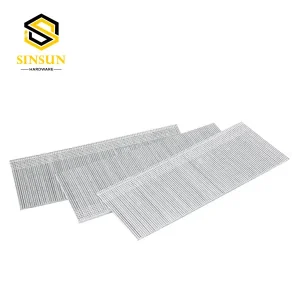
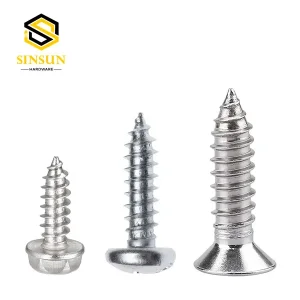
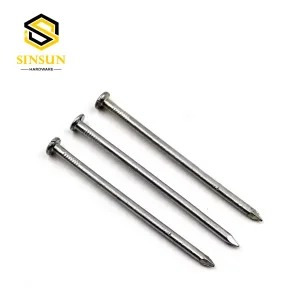
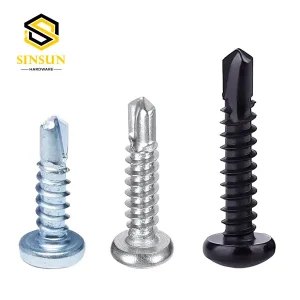
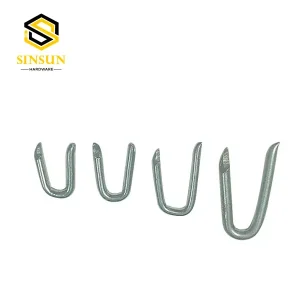
Industrial staples represent a crucial subsection of global fastening markets. Primarily consisting of heavy-duty, medium-duty, and fine wire staples (often cataloged as Series Staples such as 70 Series, 80 Series, 90 Series, and 10k Series), these components are the invisible fasteners holding together critical components across the globe. From automated logistics packaging lines in North America to construction timber framing in Western Europe and high-speed automotive upholstery integration in Asia, staples have evolved beyond mere office tools into structural-grade mechanical fasteners.
Today, the global logistics sector relies heavily on structural staples to secure corrugated frameworks and wooden packaging cases. Because staples distribute shear load across their crown length rather than focusing stresses on a single point (as standard wood screws do), they deliver far superior resistance to vibration during ocean freight. Under rigorous international shipping rules, failure of pallet panels or packing boxes due to poor fastening can compromise multi-million dollar supply chains. Consequently, global buyers demand staples built to tight specifications: exact wire thickness, precise crown span, and customized leg divergence options.
As anti-dumping actions, steel tariffs, and regulatory compliance guidelines (such as the EU's Carbon Border Adjustment Mechanism - CBAM) reshape the global metal industry, sourcing from reliable exporters with fully integrated facilities becomes a strategic necessity. Industrial purchasers look for suppliers capable of providing certifications of structural grade raw materials, mechanical performance warranties, and comprehensive batch traceability to guarantee long-term stability.
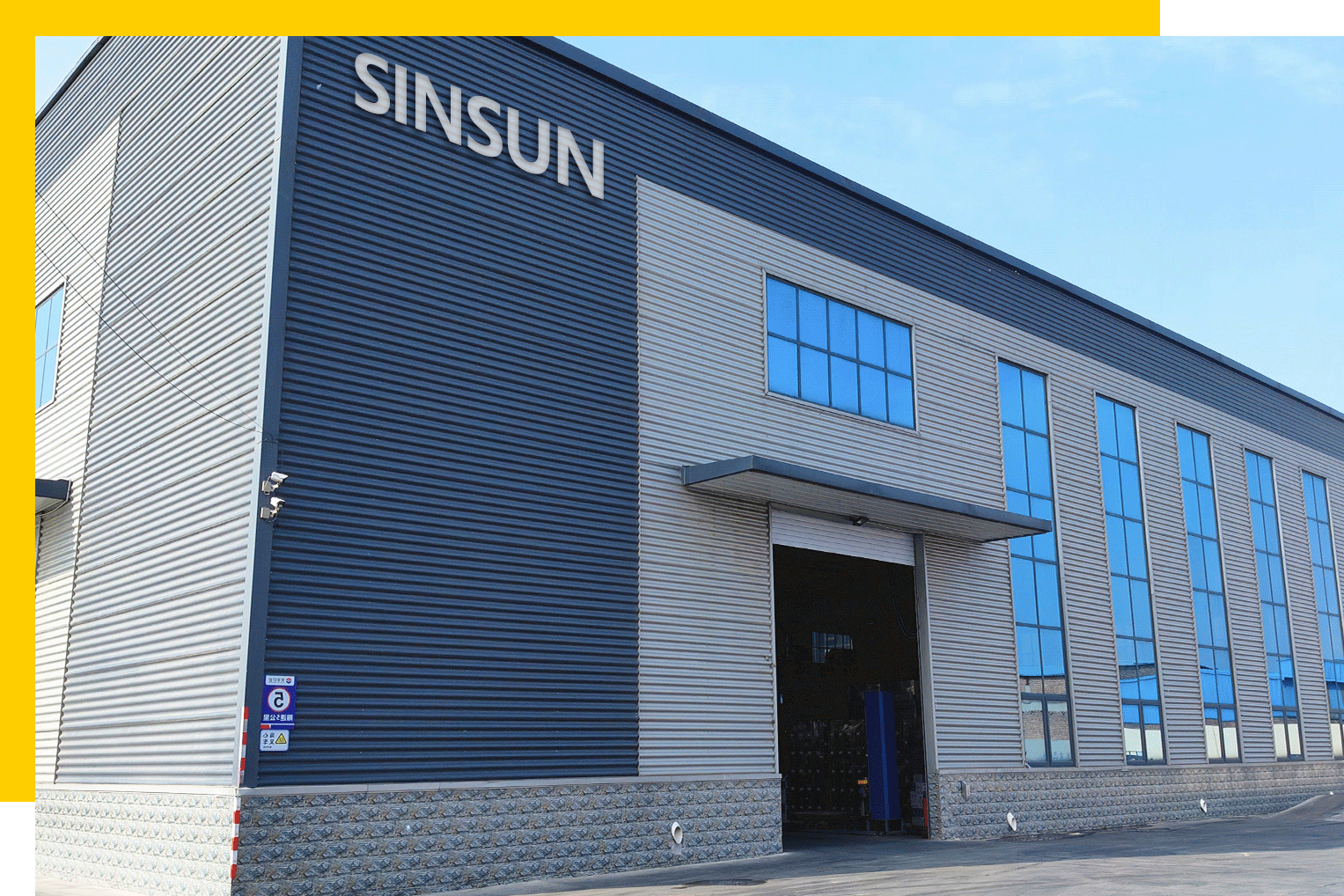
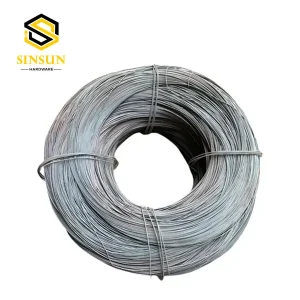
Sinsun Hardware, established in 2006, has grown to become the largest self-tapping screw and industrial fastener production hub in northern China. Operating from an expansive 30,000 sqm state-of-the-art facility, our factory integrates every phase of industrial fastener production. Unlike assembly-only exporters, Sinsun exercises total quality control starting at the steel supplier level. We source prime wire rods from Xingtai Steel and handle wire processing in our own facility, using gas-fired furnaces for spheroidizing annealing and precision machines for wire drawing.
Our monthly output utilizes German-engineered multi-station cold heading machines and high-accuracy Taiwanese production tools. For specialty construction screws and series staples, our setups include specialized tail-gripping mechanisms to guarantee dimensional stability down to ±0.02mm. Sinsun manages over 20,000 SKUs, ensuring that whether you need 18-gauge brad nails, self-drilling screws, or high-tensile packaging staples, your requirements are met with strict compliance to ASTM and DIN standards.
Providing significant technological advantages to meet demanding architectural and automotive requirements.
Modern assembly lines use high-speed automated staple guns and auto-feed screw systems. Any minor bend in staple collation or a dimensional variance over 0.05mm can jam automated systems, causing costly line shutdowns. Precision tolerance limits are essential for automated lines.
By shifting to advanced high-carbon alloy wire rods, modern series staples achieve superior shear load capacity without increasing wire thickness. This enables penetrative strength through dense hardwood structures, structural concrete, and metal framing sheets.
With tightening environmental regulations, the trade is moving away from toxic chromium electroplating toward green barrier techniques. Eco-friendly zinc-flake finishes and advanced organic coatings provide over 1,000 hours of salt spray testing without environmental risks.
Our journey from a dedicated self-tapping screw plant to a fully integrated global industrial supplier.
Sinsun was founded with a direct focus: establishing a specialized production center for self-tapping screws. This early specialization laid the foundation for our mechanical capabilities.
Established our dedicated Export Department. Sinsun-manufactured fasteners and custom series staples began shipping to global markets, establishing relationships with distributors in over 50 countries.
Integrated four gas-fired spheroidizing annealing furnaces and high-speed wire drawing equipment. This gave Sinsun direct control over raw wire rod characteristics from the start.
Introduced German multi-station cold heading machines. Expanded production lines to include self-drilling and self-tapping tail variations, reducing defect rates below 50 PPM.
Achieved annual manufacturing output exceeding 36,000 metric tons. Successfully shipped more than 1,100 export containers to markets across South America, Russia, and the Middle East.
Built a state-of-the-art smart storage center supporting an 18,000+ pallet capacity. Dedicated 1,200 sqm for ready-to-ship stock to guarantee fast delivery times.
Installed four advanced heat treatment lines. This in-house capacity ensures uniform surface hardness (HRC 28-32) and core ductility, giving Sinsun full control over the structural properties of every batch of staples and screws we export.
How series staples and specialized fasteners perform across key global industrial sectors.
In North America and Europe, structural timber framing relies on wide-crown staples (such as 16-gauge 92 series staples) to attach structural wood panels to studs. High-strength galvanized coatings prevent oxidation in humid environments, meeting building code compliance.
Logistics hubs require thick-gauge carton closing staples to seal heavy corrugated boxes. Staples must withstand tensile stress without tearing. Sinsun's precision-formed tips penetrate dense multi-wall cardboard smoothly to secure heavy components during sea freight.
Automobile interiors demand reliable, thin-wire staples (such as 20-gauge or 22-gauge 71 Series) to attach leather and fabric covers to polymer interior shells. Staples must resist moisture and remain tight under vibration, without causing fiber pull or surface tears.
An essential step in fastener production is the spheroidizing annealing process. Low-carbon and carbon steel wires are heated in controlled gas-fired furnaces over an extended period. This alters the internal carbide structure into spherical shapes, maximizing ductility and tensile strength. This conditioning prevents wire cracking during cold heading and ensures staples can bend correctly without snapping.
Additionally, Sinsun offers full OEM and ODM customization services for packaging and structural designs. Our in-house engineering team provides 3D design file analysis, custom surface coating matching, and specialized structural designs. We also offer customized retail packaging, including custom-branded outer boxes, barcode prints, and moisture-barrier shrink wraps, all managed directly from our 12,000 sqm warehouse center.
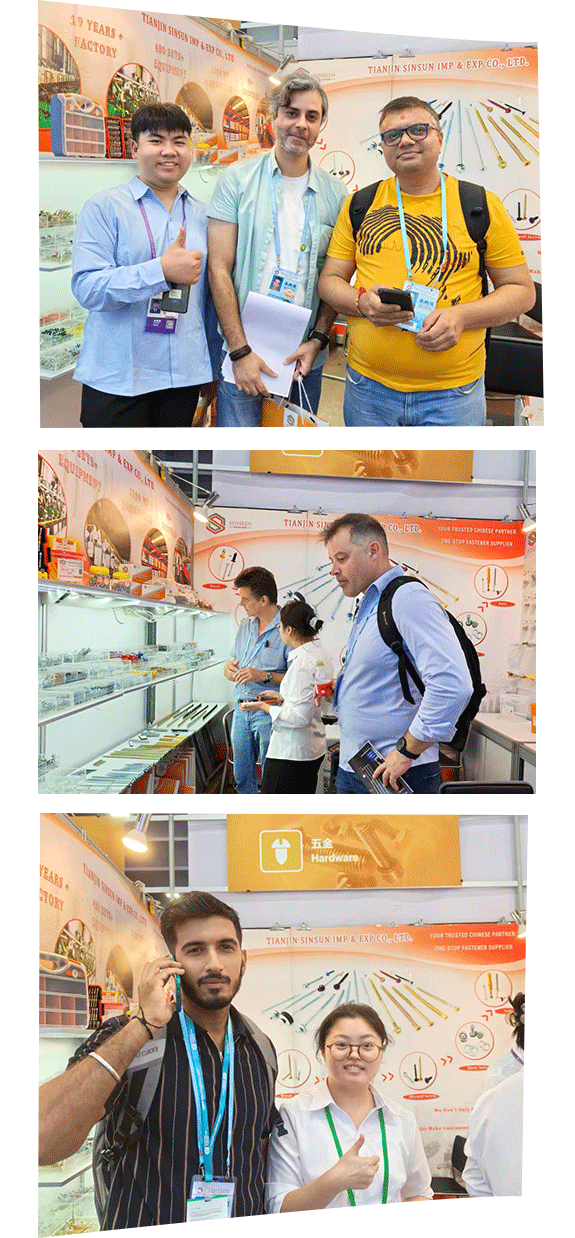
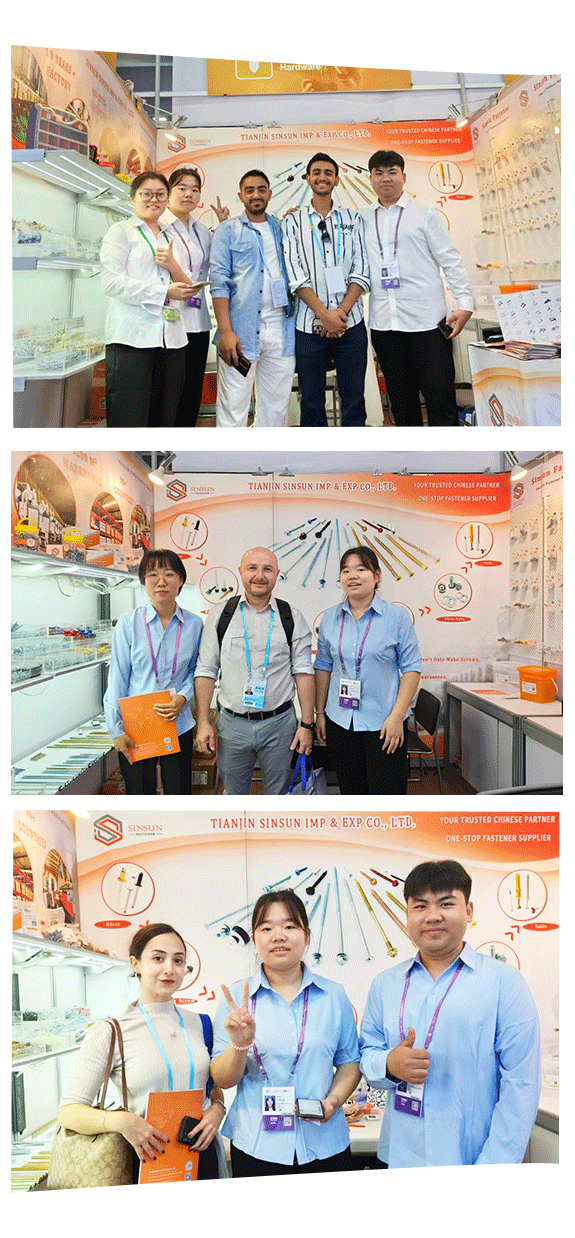
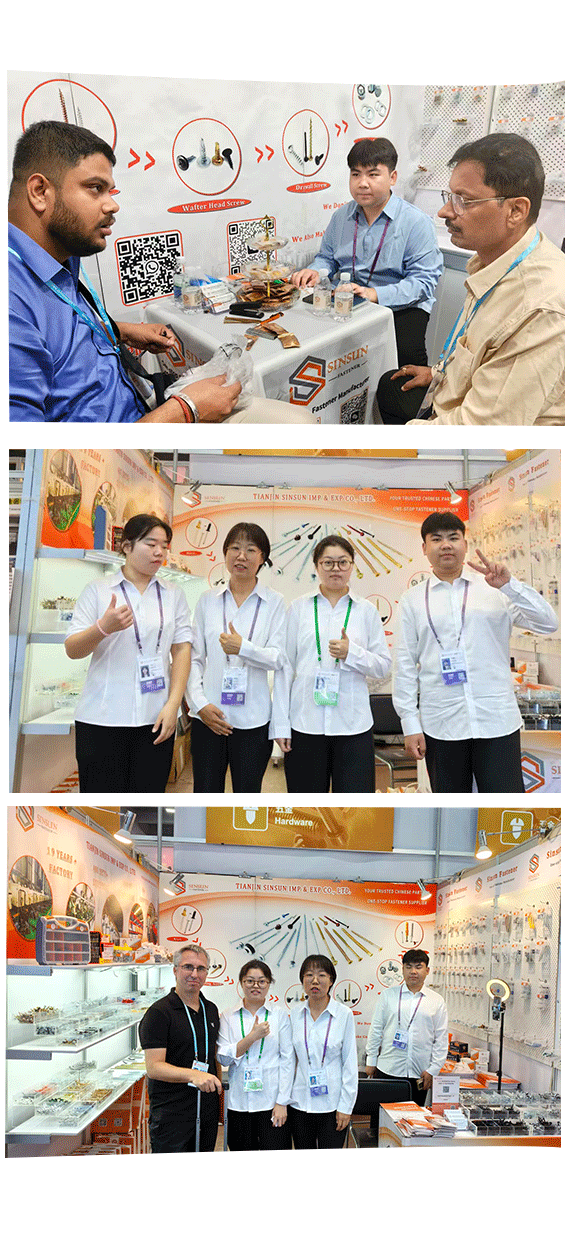
Adapting to smart factories, changing environmental regulations, and advanced material demands.
Expanding specialized series staple configurations, utilizing custom steel blends, and offering anti-corrosive treatments tailored to regional climates and industry standards.
Upgrading packaging operations with automated sorting systems and real-time defect scanning to ensure precise, defect-free bulk shipments.
Adopting green hydrogen-based steel raw materials and eco-friendly coatings to help international buyers meet strict low-carbon import requirements and reduce environmental impacts.
Key technical insights on staple selection, material specifications, and global sourcing.
Series staple designations (such as Series 80, 90, or 92) indicate crown width, wire gauge, and thickness. For example, 18-gauge 90 Series staples are widely used in cabinetry, whereas 16-gauge 92 Series staples are designed for heavy-duty framing. Always match the exact series configuration to your tooling and load requirements.
Spheroidizing annealing softens carbon steel by reorganizing carbides into spherical shapes. This optimizes ductility, allowing the wire to undergo cold forging and precision forming without cracking, ensuring the finished staple retains the necessary toughness for heavy-duty drive applications.
We maintain production tolerances within ±0.02mm and use premium, moisture-resistant glues for collation. This ensures each staple strip remains straight and uniform, preventing misfires or structural collapse inside high-pressure pneumatic tools.
We offer hot-dip galvanizing, electro-galvanizing, zinc-alloy plating, and 304/316 stainless steel grades. For maritime and high-humidity environments, our stainless steel and high-exposure zinc coatings provide excellent protection against corrosion.
Divergent point staples are cut at opposing angles, causing the staple legs to flare outward when driven. This spreads the legs across a wider surface area within the wood, significantly increasing withdrawal resistance compared to straight-leg staples.
Our standard production lead time is 25-35 days, supported by our 12,000 sqm warehouse and ready-to-ship stock. The standard MOQ varies by specification, generally starting at 1 full pallet per size to ensure optimal shipping and packaging safety.