1 / 1
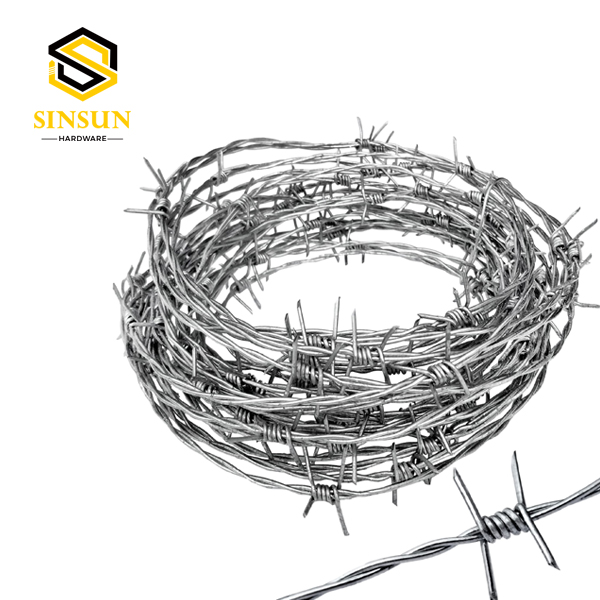
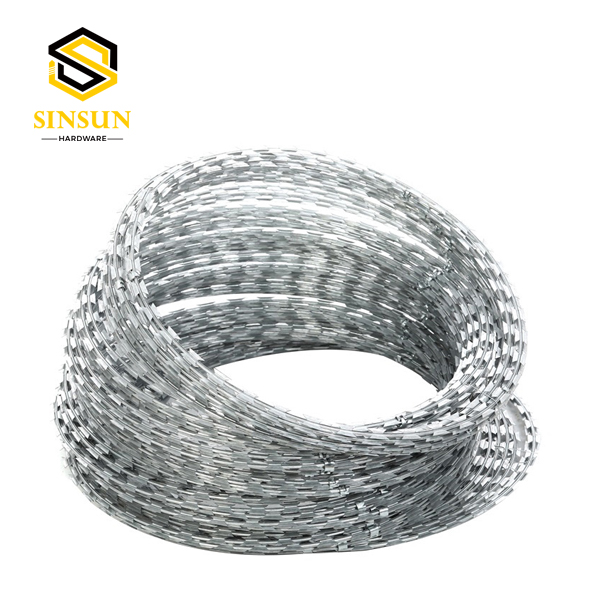
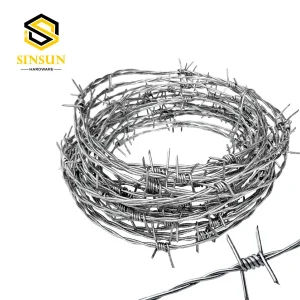
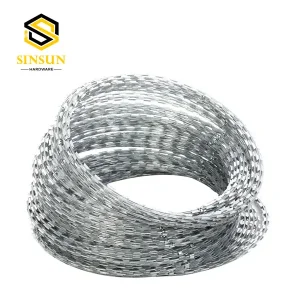
Barbed wire is constructed with pointed barbs at regular intervals along the strand, primarily used for cattle fencing and standard security. Razor barbed wire features sharp, blade-like steel strips wrapped around a high-tensile core, offering a much higher level of physical intrusion deterrence for high-security areas.
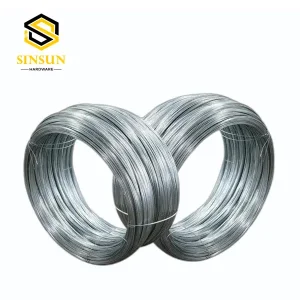
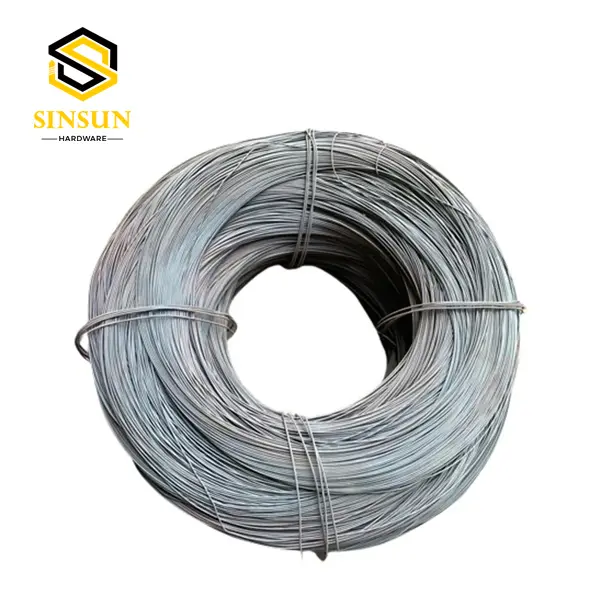
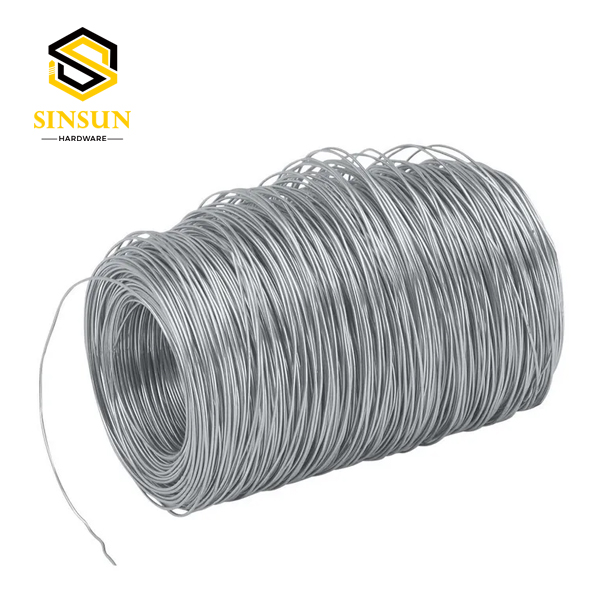
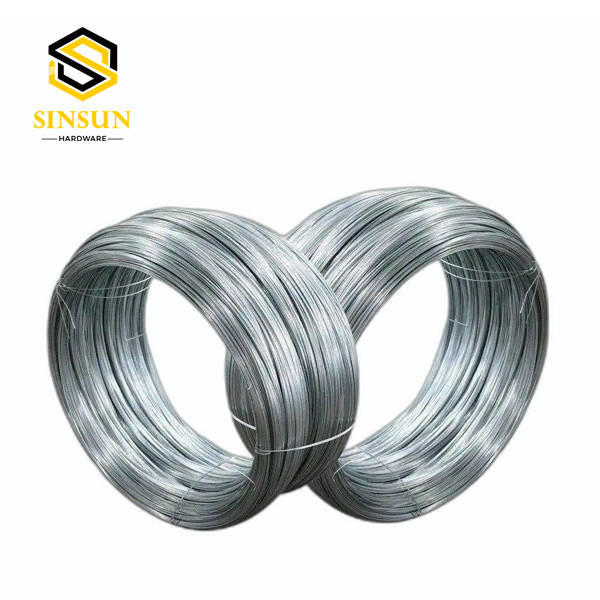
GI stands for Galvanized Iron. GI Iron Wire is coated with a protective layer of zinc to prevent rusting and corrosion. It is widely used in construction for binding, agricultural fencing, mesh weaving, and securing structural components.
The galvanizing process applies a protective zinc coating to steel or iron. This sacrificial zinc layer prevents corrosive substances from reaching the underlying metal, greatly extending the lifespan of the wire in outdoor and harsh weather conditions.
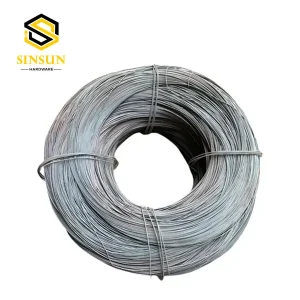
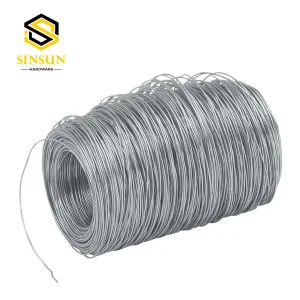
Yes, metal wires, GI wires, and barbed wires can be manufactured in various wire gauges (diameters) and customized roll weights or lengths to match specific project requirements.
Key factors include the level of security required, environmental exposure (requiring galvanized or stainless steel), tensile strength, and installation constraints. Razor wire is recommended for high-security perimeters, while standard barbed wire is optimal for agricultural and large perimeter demarcation.