1 / 1
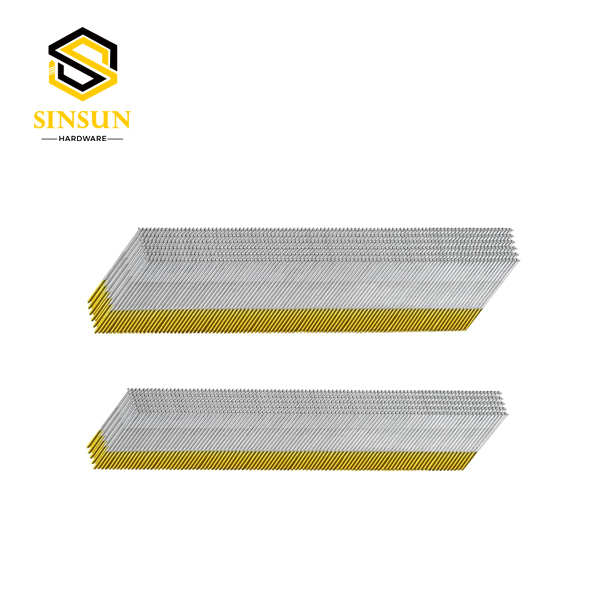
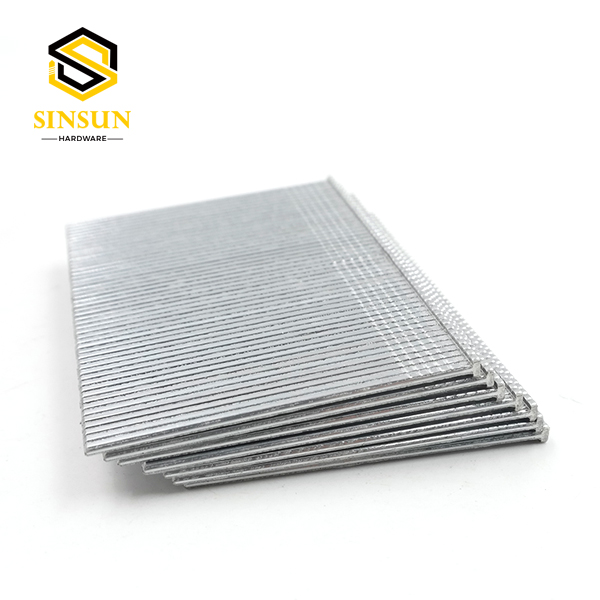
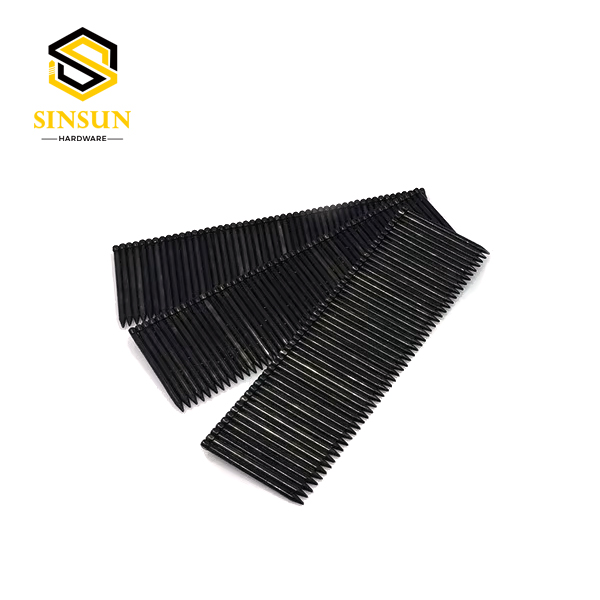
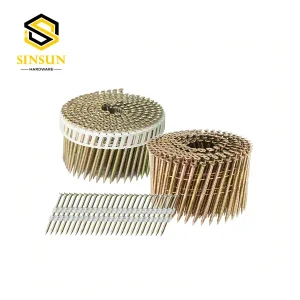
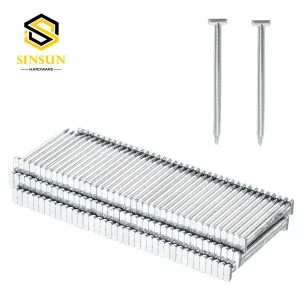
Angled nails are engineered for use in angled finish nailers, allowing builders to reach tight corners and intricate joints with ease. They are perfect for crown molding, trim installation, cabinetry, and heavy-duty trim work.
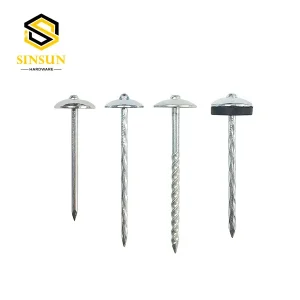
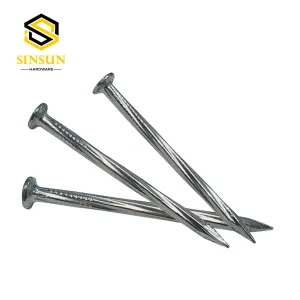
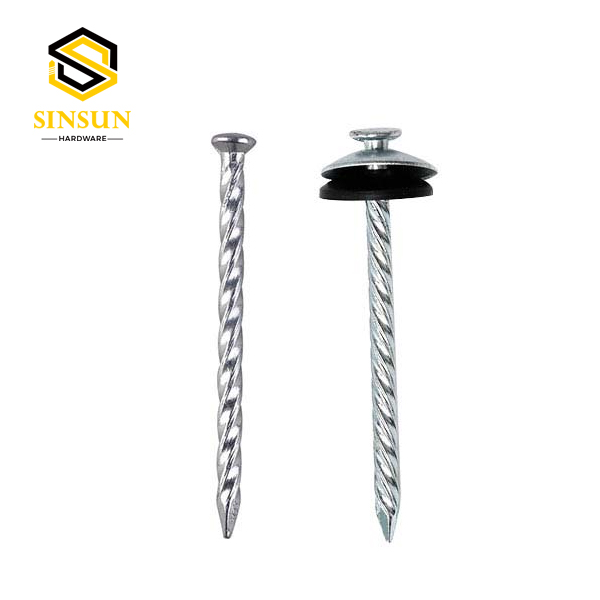
Twisted nails (screw shank nails) rotate as they are driven into wood, creating a mechanical lock within the wood fibers. This yields significantly higher holding capacity and resists lifting, which is critical for decking and structural framework.
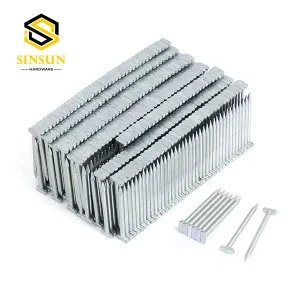
F nails (brad nails) have a very thin profile and a minimal head. They insert cleanly into delicate trim boards and thin paneling without splitting the wood, leaving a tiny hole that is easily filled and concealed.
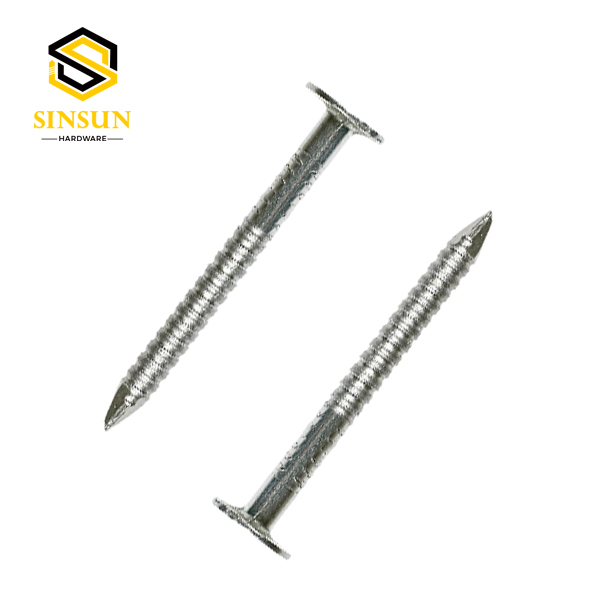
Stainless steel roofing nails offer maximum protection against rust and corrosion when exposed to rain, snow, and salt air. Using stainless steel prevents dark rust stains on shingles and extends the lifetime of the roof structure.
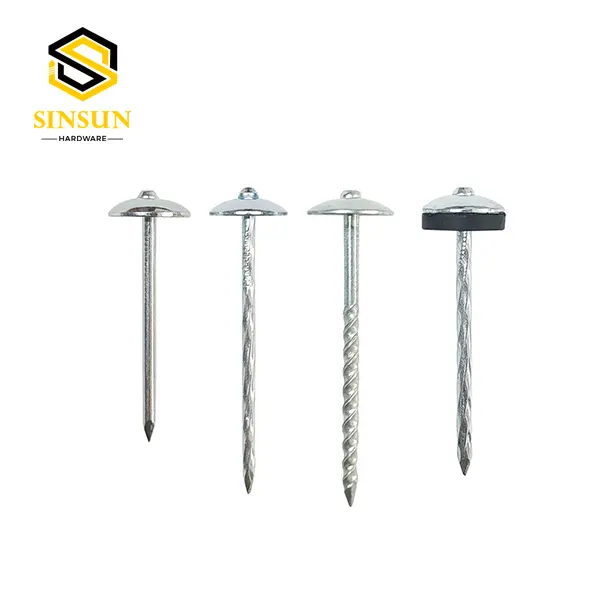
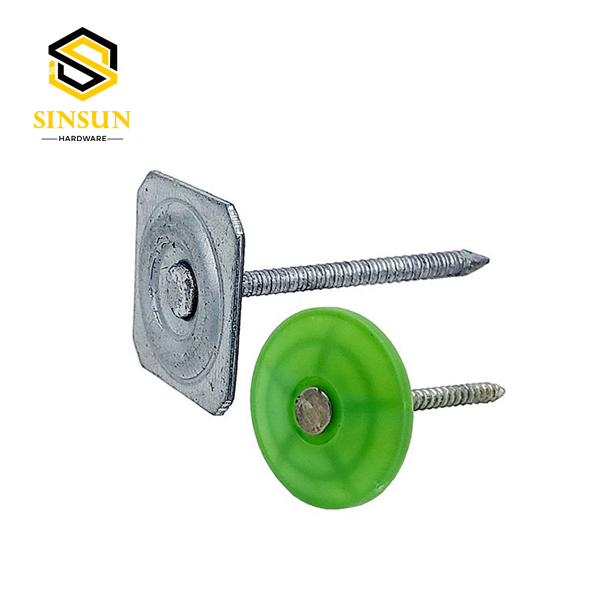
Roofing cap nails feature a wide, flexible plastic or metal cap that seals the entry point of the nail shank. This cap helps prevent moisture from seeping into the building envelope while holding roofing underlayments firmly in place.