1 / 1
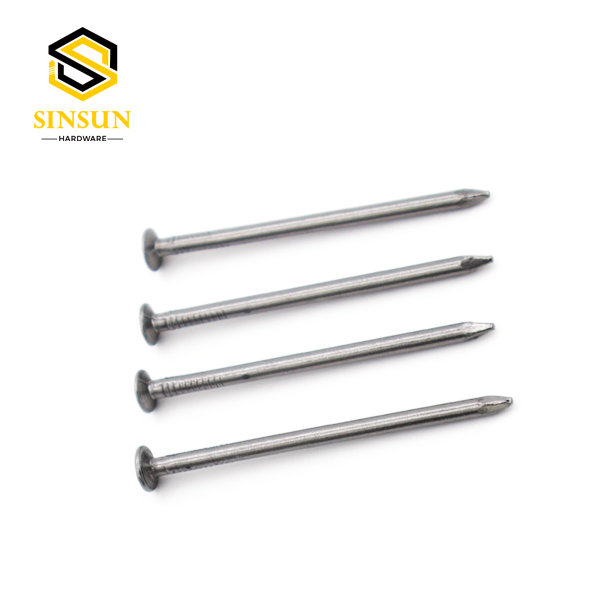
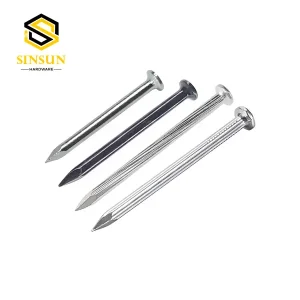
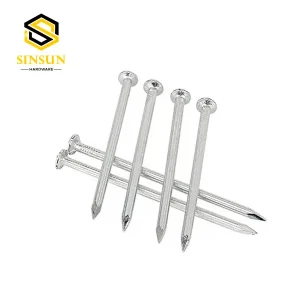
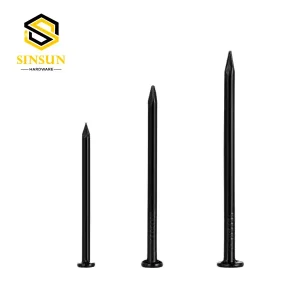
Common wire nails are widely utilized for general construction, framing, structural woodwork, and medium-to-heavy carpentry tasks. They feature a thick shank that provides high holding power and resistance to bending.
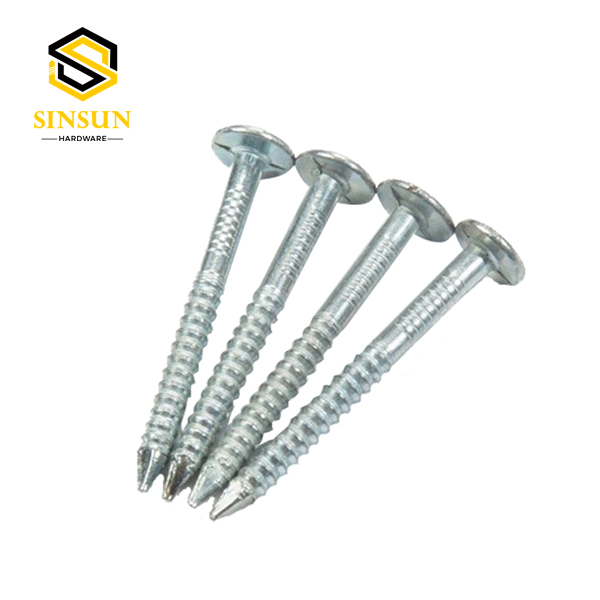
Ring shank nails are designed with thread-like rings along the shank. When driven into timber, these rings lock with the wood fibers, offering significantly higher withdrawal resistance than smooth shank nails, making them perfect for flooring and decking.
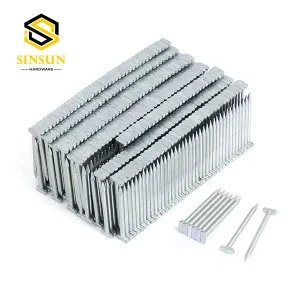
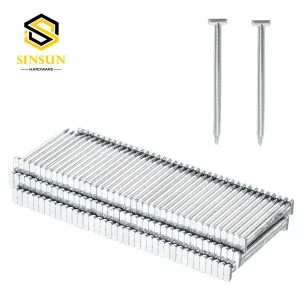
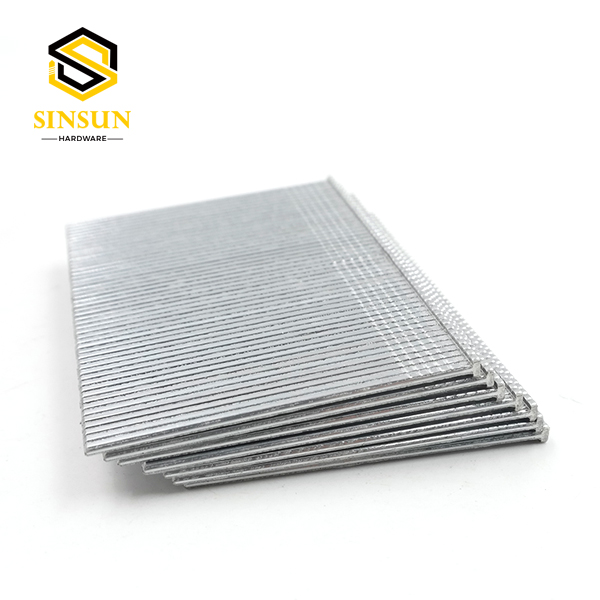
F nails (often referred to as brad nails) are thin-gauge wire nails ideal for delicate woodworking, indoor trim molding, cabinetry, and panel installation where minimizing the appearance of the nail head is essential.
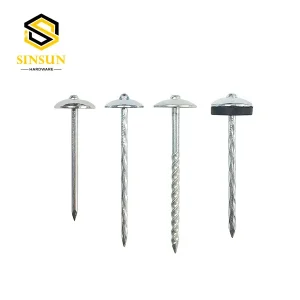
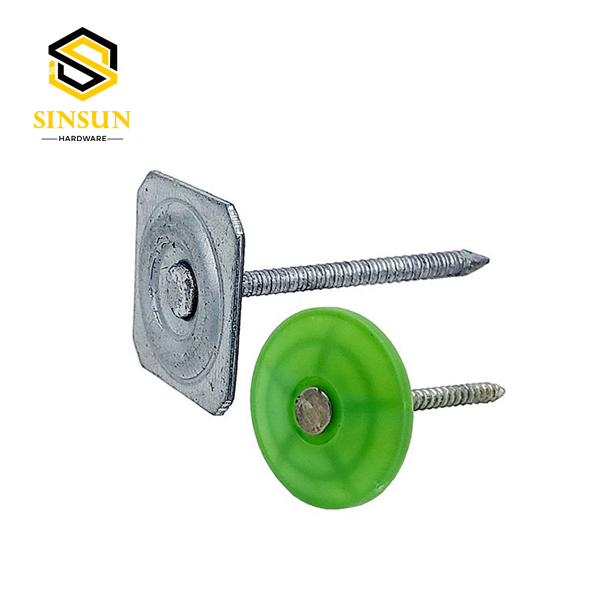
Roofing cap nails feature a wide plastic or metal cap that increases the surface area clamp. This prevents paper, house wrap, or synthetic underlayment from tearing off in high wind conditions before shingles are installed.
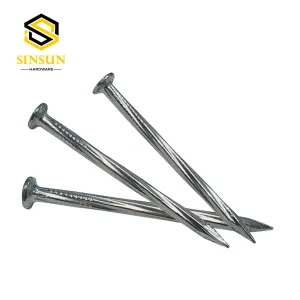
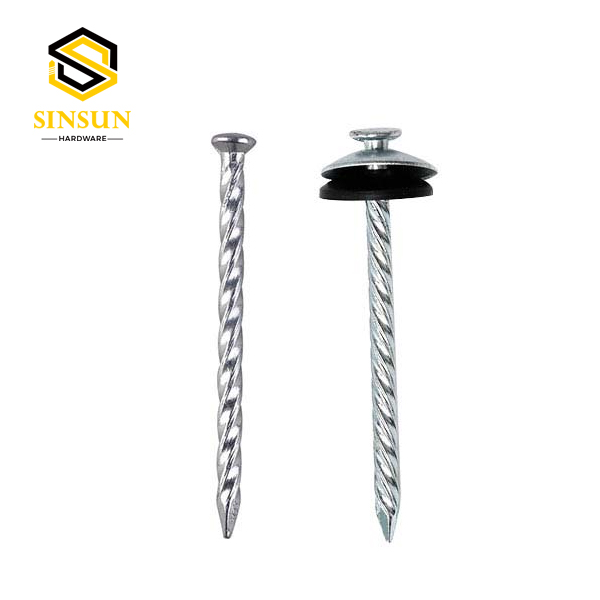
Twisted nails, or screw-shank nails, rotate as they are driven into wood. This spiral action provides superior grip and minimizes splitting, making them highly effective for pallets, wooden crates, and heavy-duty structural joints.
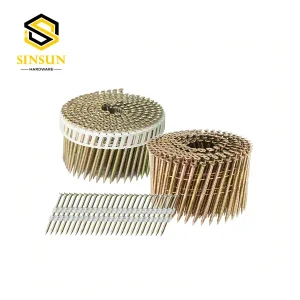
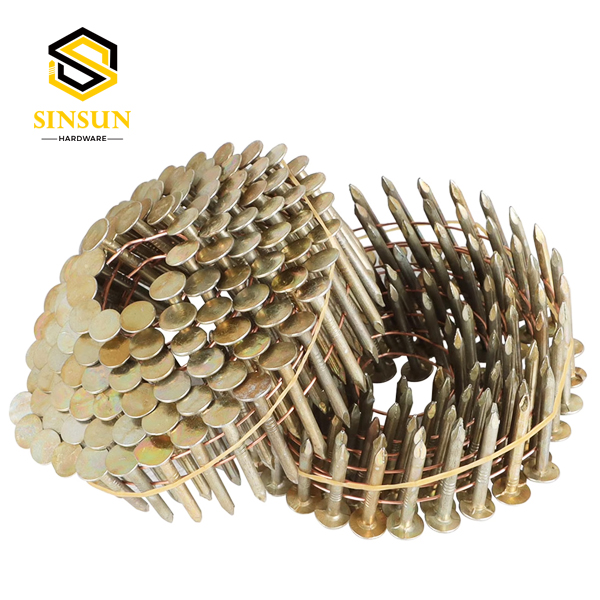
Yes, pneumatic roofing nails are manufactured in wire coils specifically designed for standard coil roofing nailers, ensuring high-speed operation, precise depth control, and optimal structural stability during roofing installation.