1 / 1
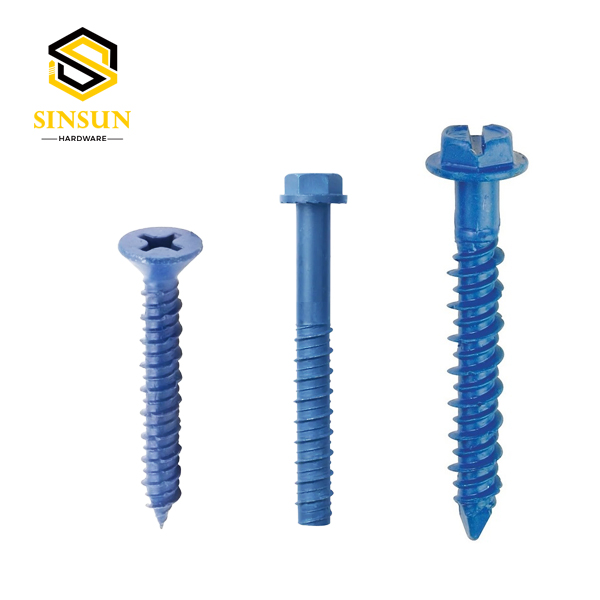
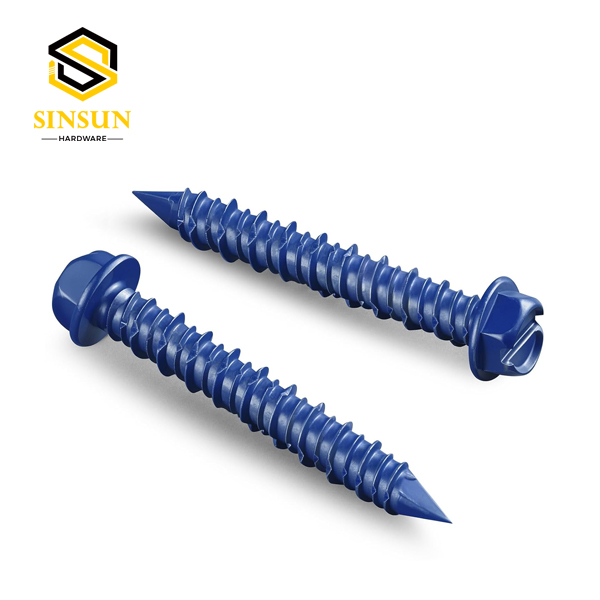
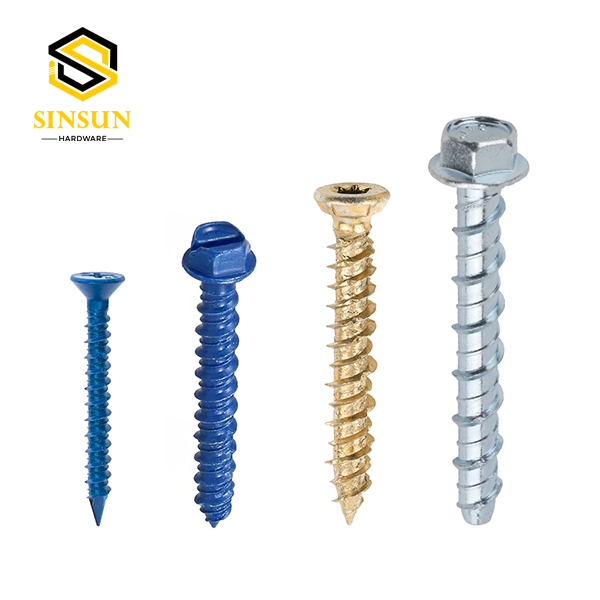
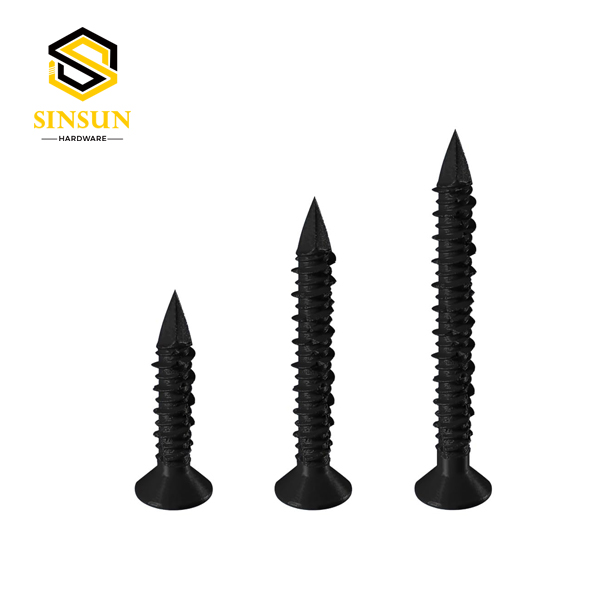
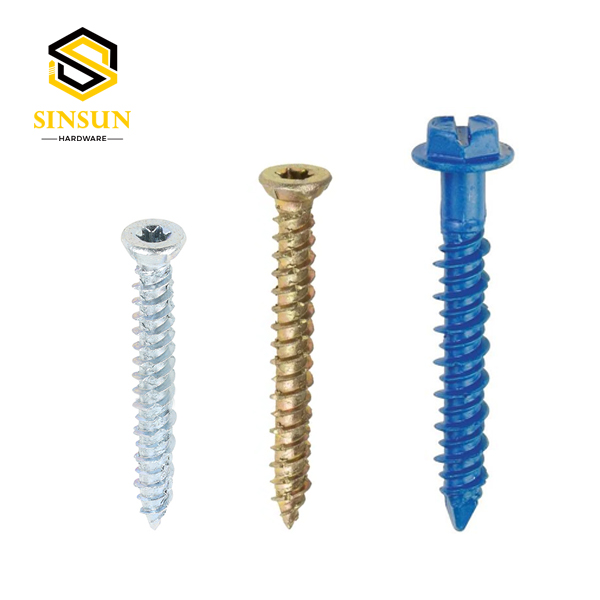
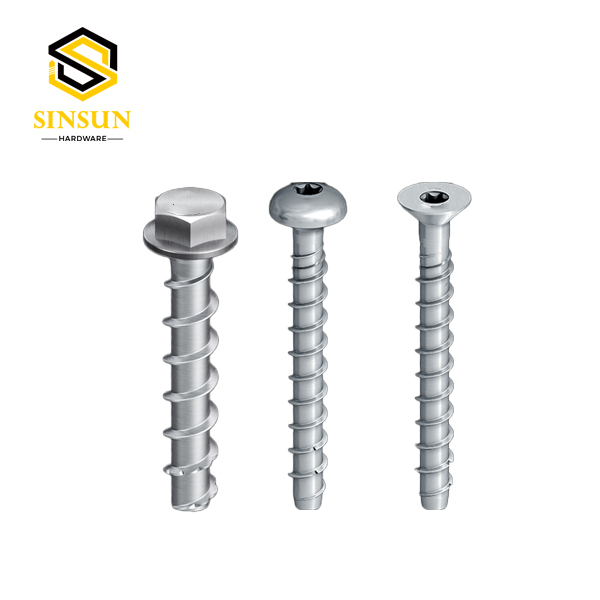
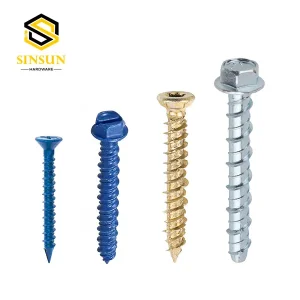
Concrete screws are designed to anchor wood, metal, or electrical fixtures directly into concrete, brick, masonry blocks, or cinder blocks.
Yes. Most standard concrete screws require a pilot hole drilled with a masonry bit to a specific diameter and depth before the screw can be properly driven in.
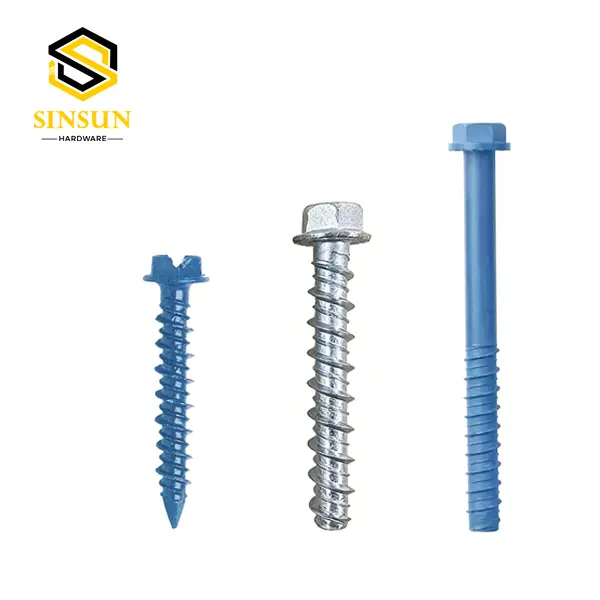
The blue color is typically a specialized corrosion-resistant coating (such as fluorocarbon or ceramic coating) that helps protect the screws from moisture, weathering, and rust in harsh environments.
Self-tapping screws cut their own thread into a pre-drilled pilot hole. Self-drilling concrete screws are designed to pierce and tap into softer masonry materials directly, though pre-drilling is still highly recommended for high-density concrete.
Reusing concrete screws is not recommended. During the initial insertion, the screw threads cut into the concrete, which wears down the thread sharpness and significantly reduces holding power if reused.
For optimal performance and structural hold, concrete screws should embed between 1 inch to 1-3/4 inches into the concrete or masonry base.