What is the difference between self-tapping and self-drilling screws?
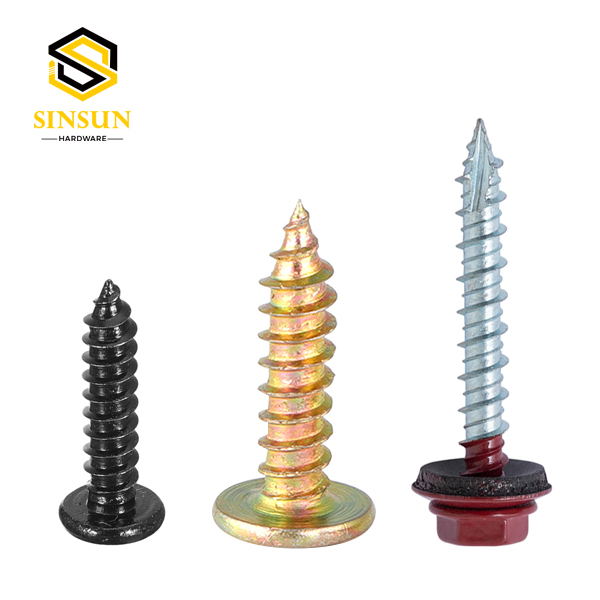
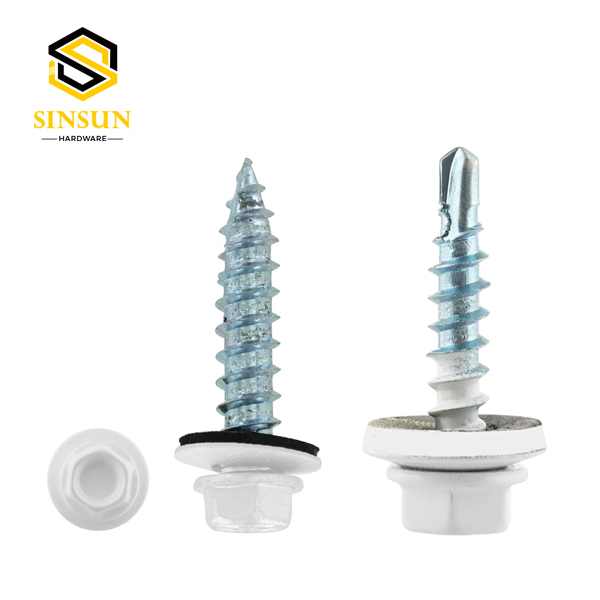
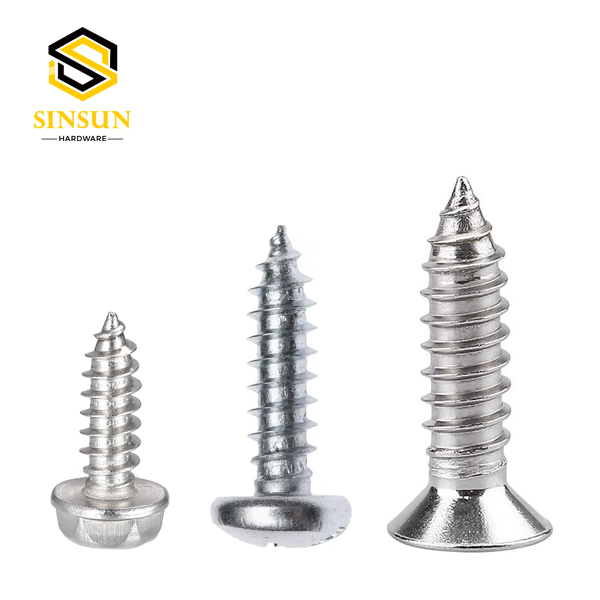
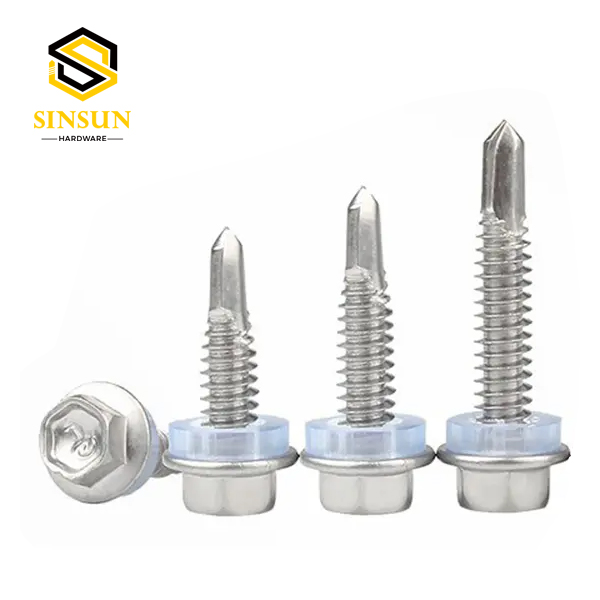
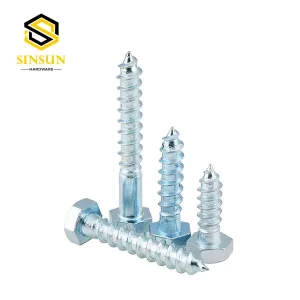
Self-tapping screws tap their own threads but typically require a pre-drilled pilot hole. Self-drilling screws feature a drill-bit-shaped point that can drill its own hole and tap threads in a single operation, eliminating the need for pre-drilling.
Are blue concrete screws suitable for outdoor use?
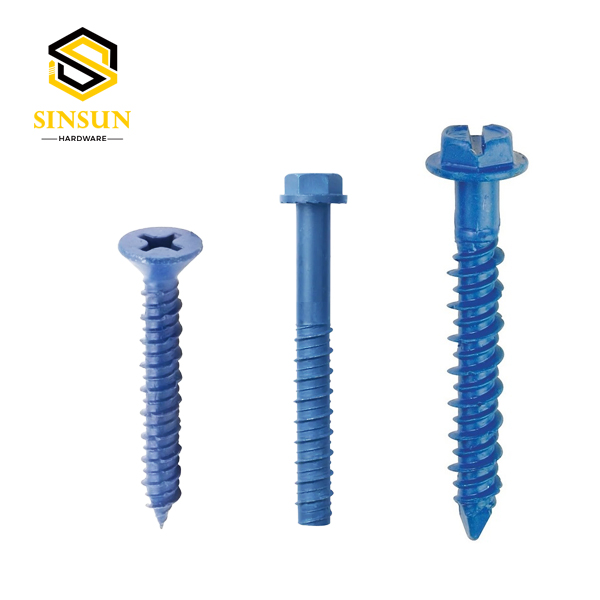
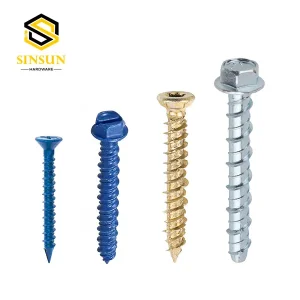
Yes, our blue concrete screws are coated with a high-grade corrosion-resistant finish, making them excellent for anchoring in concrete, brick, or block for both indoor and outdoor applications.
Why should I choose stainless steel roofing screws?
Stainless steel roofing screws offer superior resistance to rust, oxidation, and harsh environmental conditions. They prevent leaks and maintain structural integrity much longer than standard carbon steel screws, especially in coastal or humid areas.
What makes floorboard screws different from general wood screws?
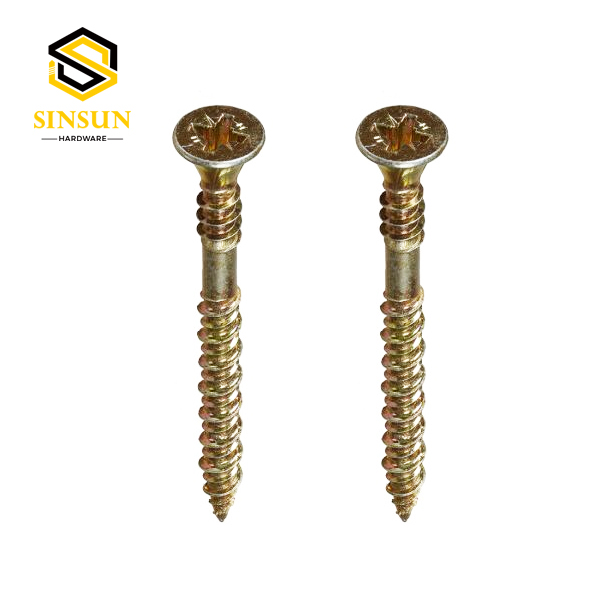
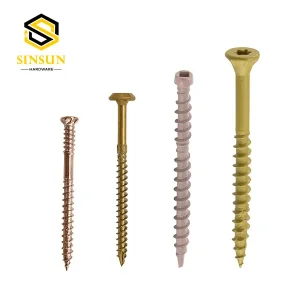
Floorboard screws typically feature a countersunk head that sits flush with the wood surface, a specific thread pattern to pull the board tight against the joists, and a shank design that prevents wood splitting and eliminates squeaks.
How do I select the right size screw for my metal application?
You should consider the total thickness of the metal sheets you are fastening. The screw length must be sufficient to pass through all layers, with at least 3 threads extending past the metal backing for maximum load-bearing grip.