1 / 1

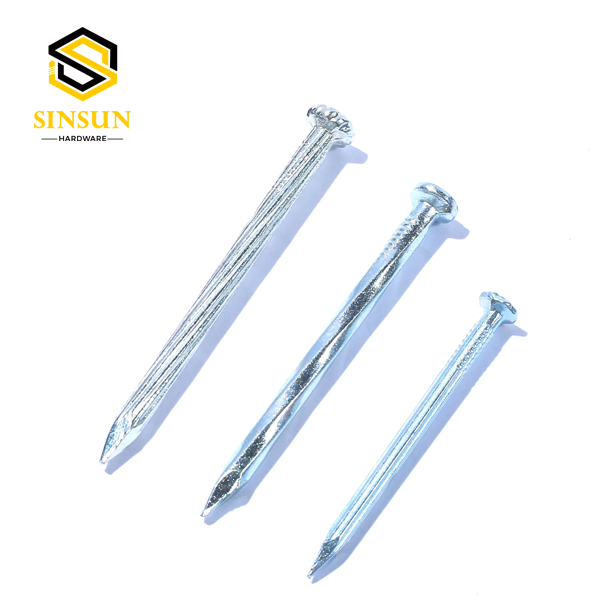
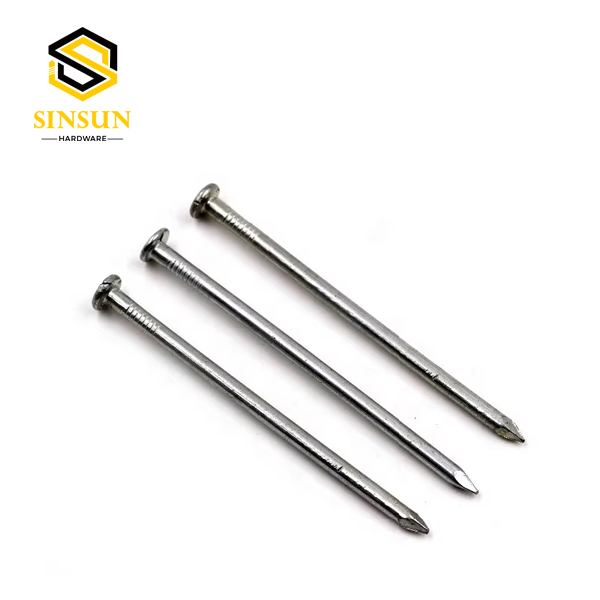
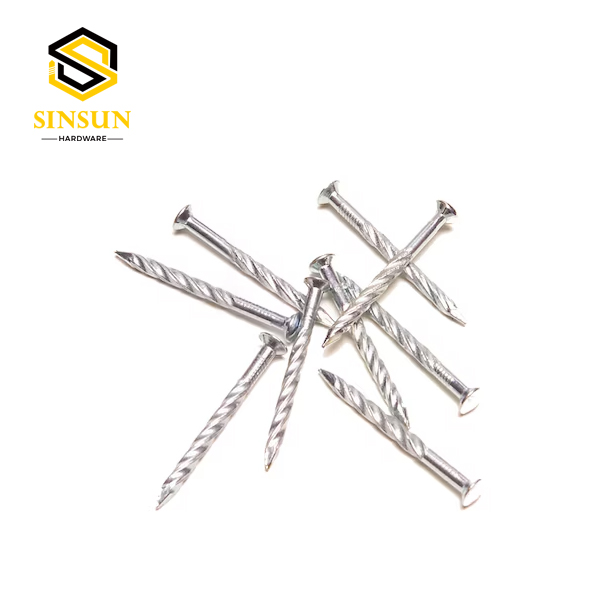
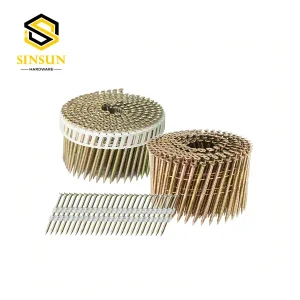
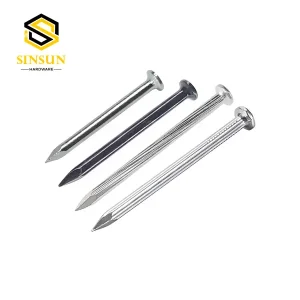
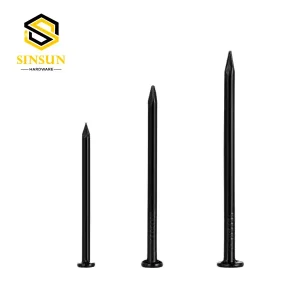
Common wire nails have a thicker shank than box nails, providing higher structural strength and holding power. Box nails are thinner, which helps prevent wood splitting in lighter construction and box-making projects.
Hot dipped galvanization coats the steel with a thick, corrosion-resistant layer of zinc. These nails are highly recommended for outdoor wood construction, decking, and structures exposed to varying weather conditions.
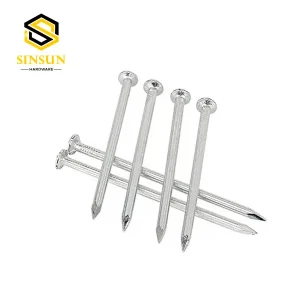
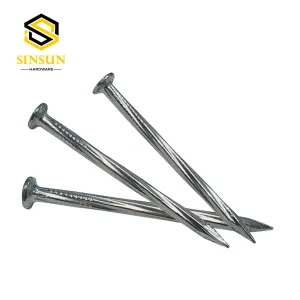
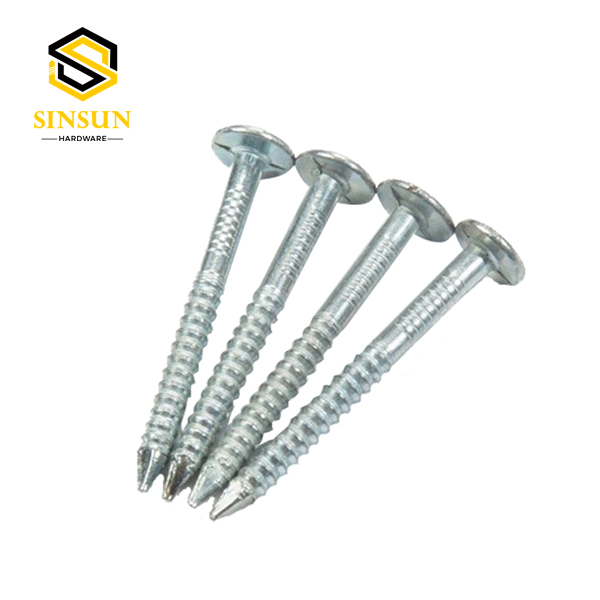
Ring shank nails feature concentric ridges along the shank. These ridges lock into the wood fibers, offering significantly higher withdrawal resistance and preventing the nails from backing out over time.
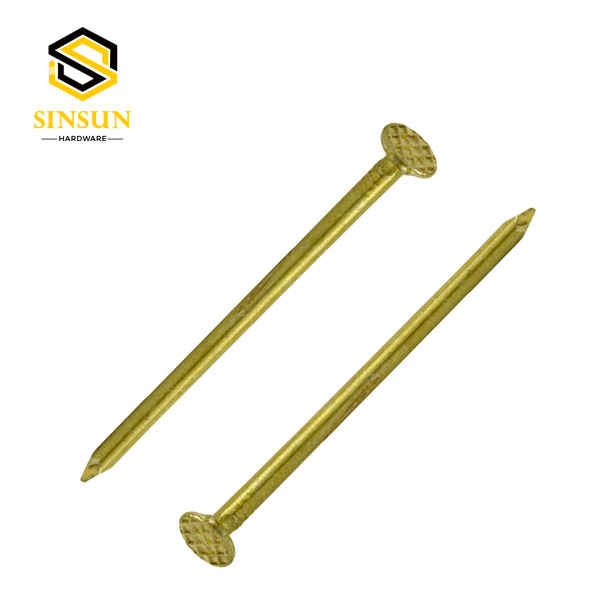
Sinker nails are designed with a grid-like pattern on the flat head to prevent the hammer from slipping. They also feature a smooth coating (like vinyl or epoxy) that reduces friction, making them easier to drive flush into structural lumber.
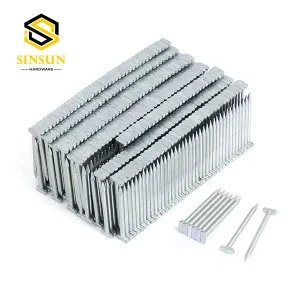
Floor nails are specifically engineered to secure hardwood floorboards. Their unique shank designs (often featuring L-cleats or barbed surfaces) prevent floor squeaks and hold planks tightly to the subfloor under constant foot traffic.