What is the difference between a self-drilling screw and a self-tapping screw?
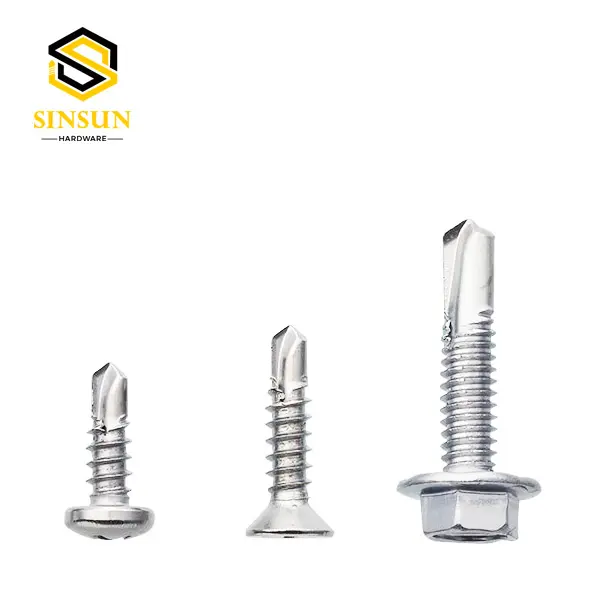
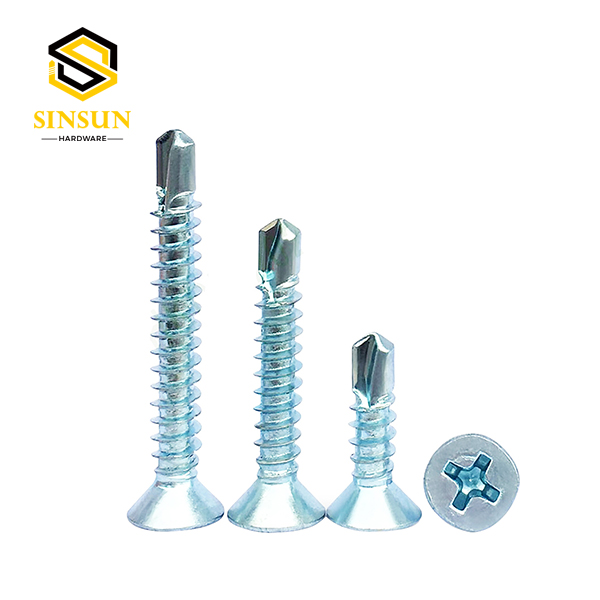
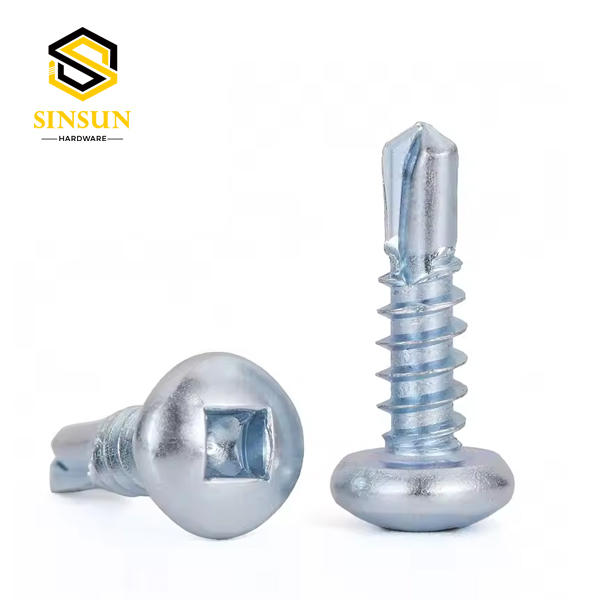
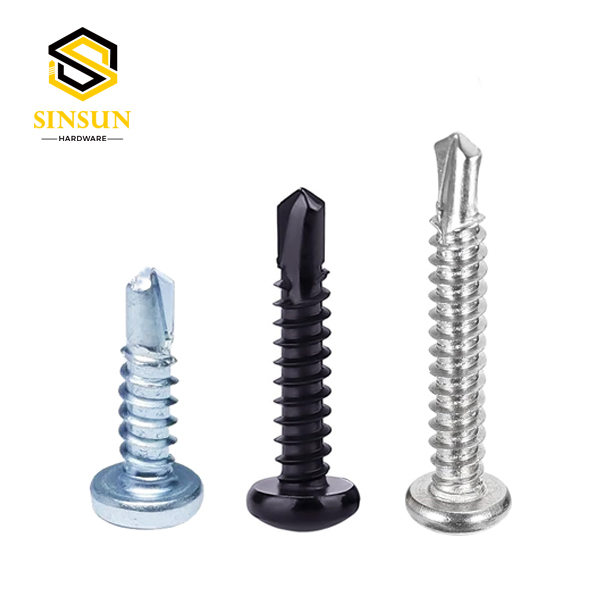
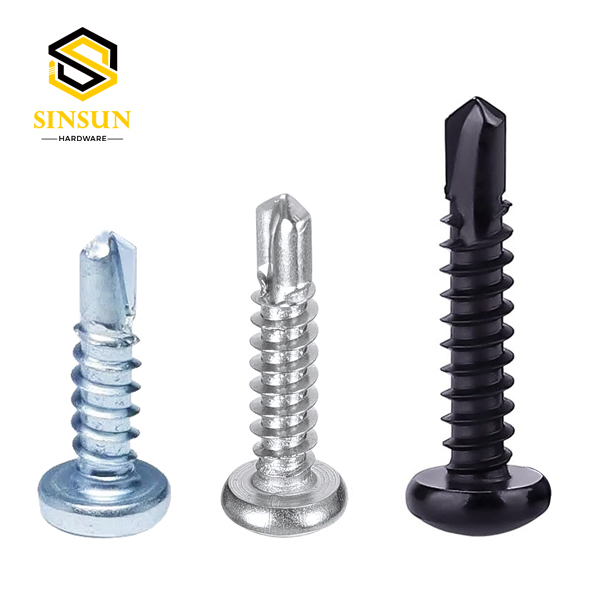
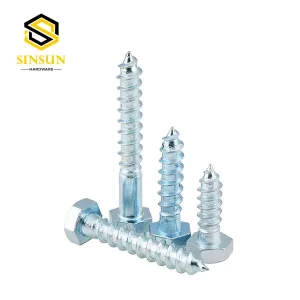
Self-drilling screws feature a point shaped like a drill bit, allowing them to drill their own pilot hole and thread in a single operation. Self-tapping screws tap their own threads but require a pre-drilled pilot hole to be created beforehand.
What are modified truss head self-drilling screws used for?
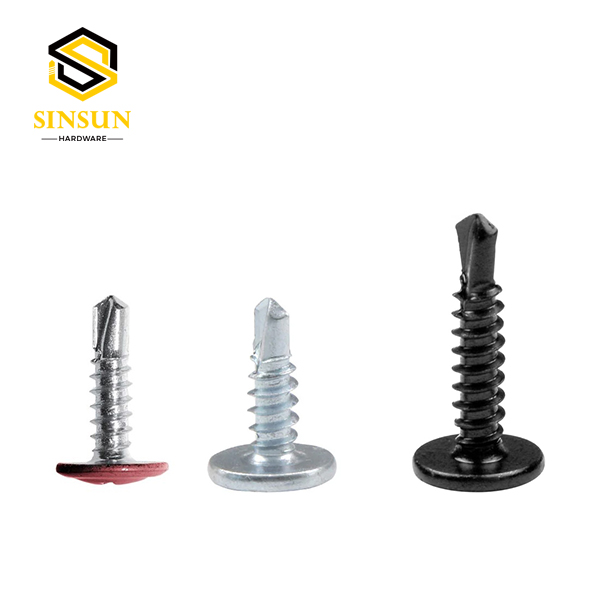
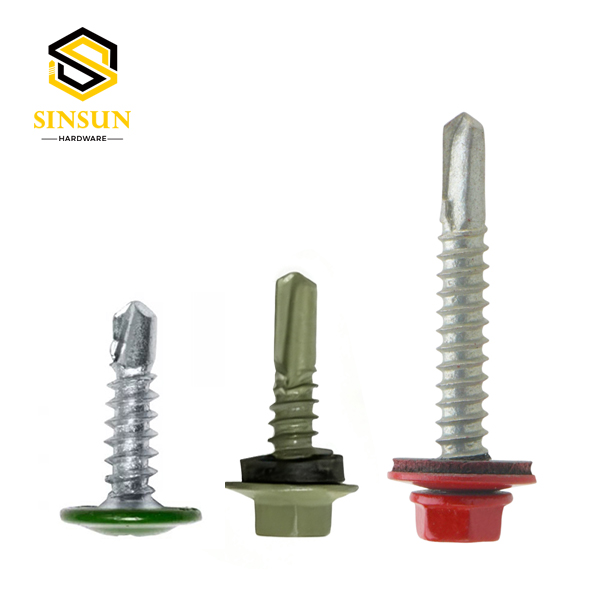
Modified truss head self-drilling screws, also known as wafer head screws, have an oversized head with a low profile that offers a larger surface area. This design provides higher holding power and prevents pull-through, making them ideal for securing sheet metal to wood or light metal framing.
Can you use self-drilling screws on structural steel?
Yes, depending on the point size of the screw. Standard self-drilling screws with point #2 or #3 are designed for light-gauge metals. For thick structural steel, specialized heavy-duty self-drilling screws (with point #4 or #5) are required to drill through thicker metal plates.
What materials are these self-drilling screws made of?
These screws are commonly manufactured from hardened carbon steel or stainless steel. Carbon steel screws are typically zinc-plated or coated to provide corrosion resistance, while stainless steel options offer superior protection against rust and weathering.
Is pre-drilling required when installing self-drilling screws?
No pre-drilling is required. The drill-point tip of the screw behaves exactly like a drill bit, drilling the hole, tapping the threads, and fastening the materials together in one efficient movement.