1 / 1
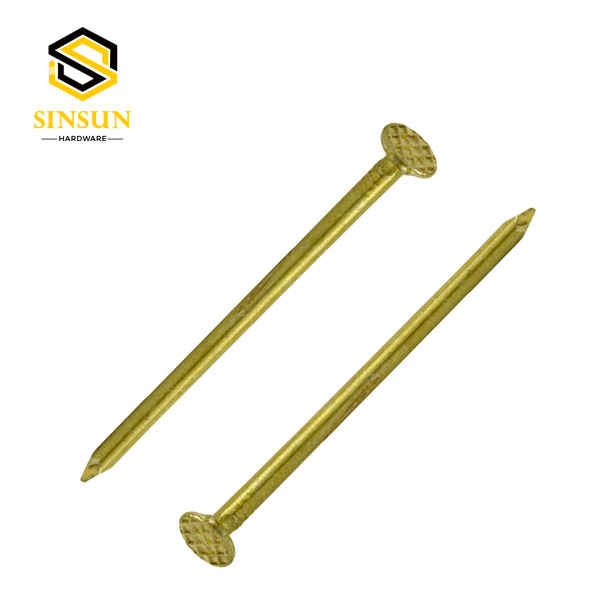
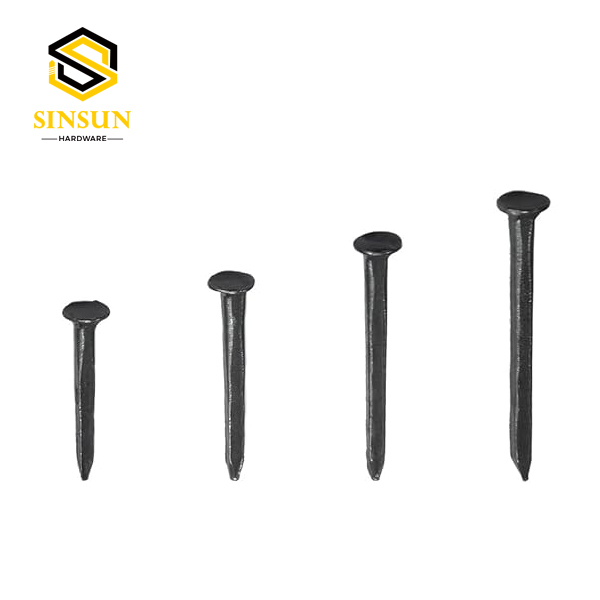
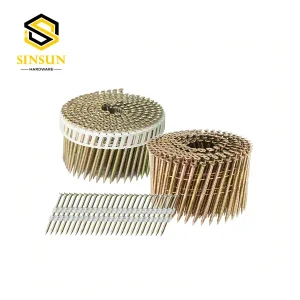
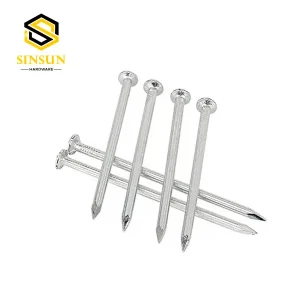
Sinker nails feature a checkered head to prevent the hammer from slipping during driving. They are also coated with vinyl or adhesive, which melts under friction heat during driving and then cools to create a stronger bond with the wood.
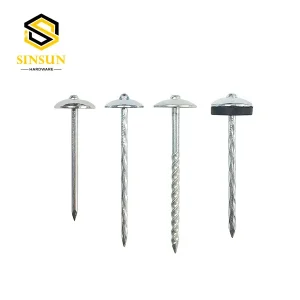
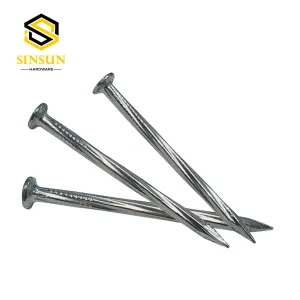
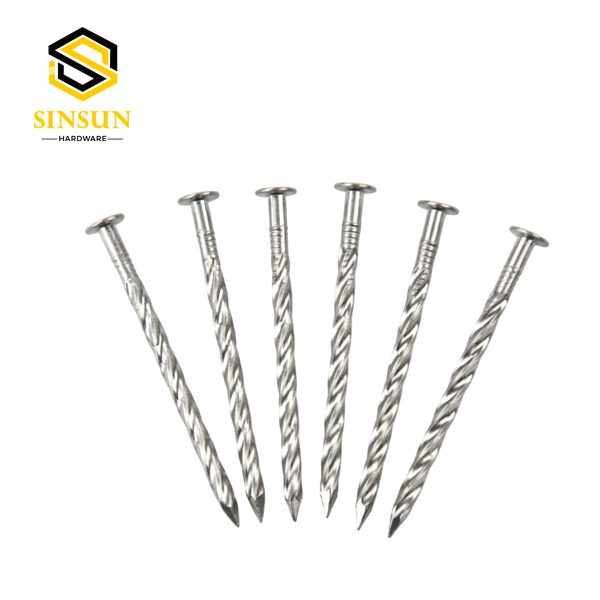
Screw nails, or spiral shank nails, should be used when maximum holding power is required in hardwoods or timber. The spiral pattern causes the nail to turn when driven, creating a mechanical lock that prevents backing out over time.
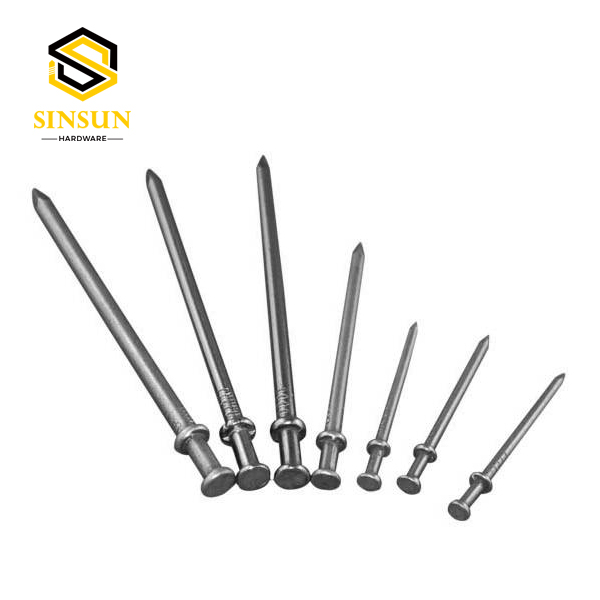
Duplex nails have a double head design. When driven, the first head sits flush with the surface, while the second head remains exposed. This allows the nail to be easily extracted later, making them ideal for temporary structures like scaffolding and concrete forms.
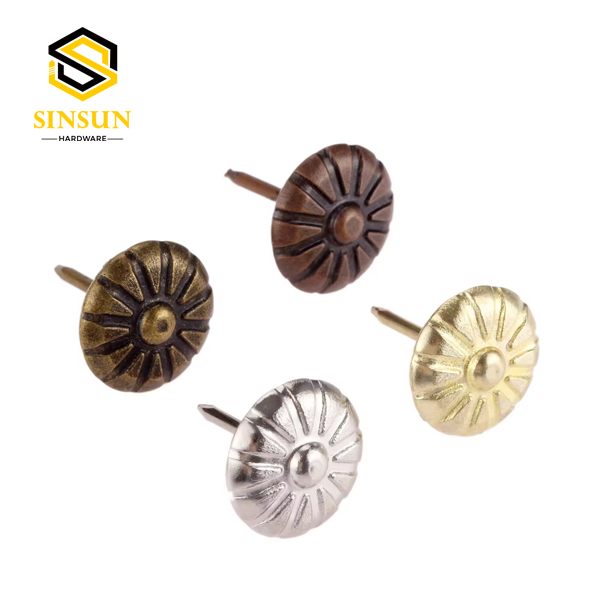
While upholstery nails are highly decorative and come in various finishes, they are also functional. They are designed to secure fabric, trim, and leather covers to furniture frames, ensuring a tight hold and clean borders.
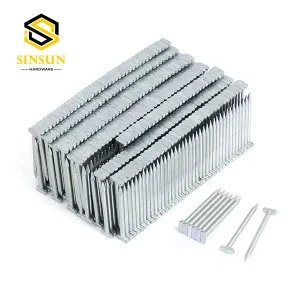
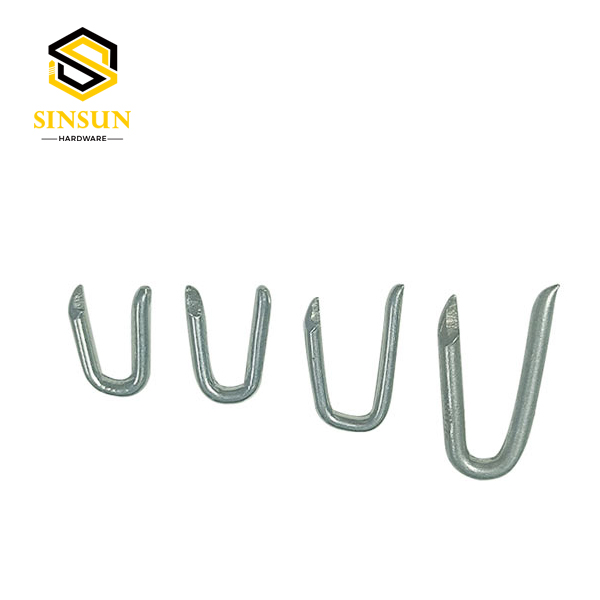
U nails, also known as wire staples, are dual-pronged fasteners ideal for securing tension wire, mesh, barbed wire, and fencing lines directly to wooden posts and frames.
Tack nails are small, sharp fasteners designed for lightweight tasks such as securing carpets, fabric, poster boards, and thin wood backings without risking splitting the material.