1 / 1
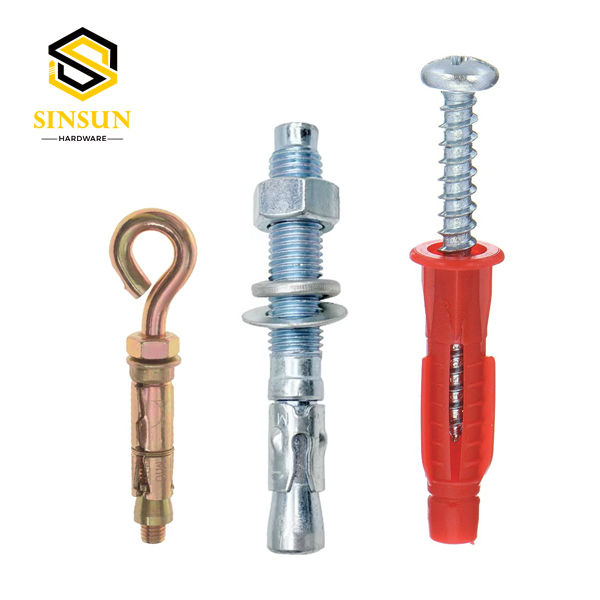
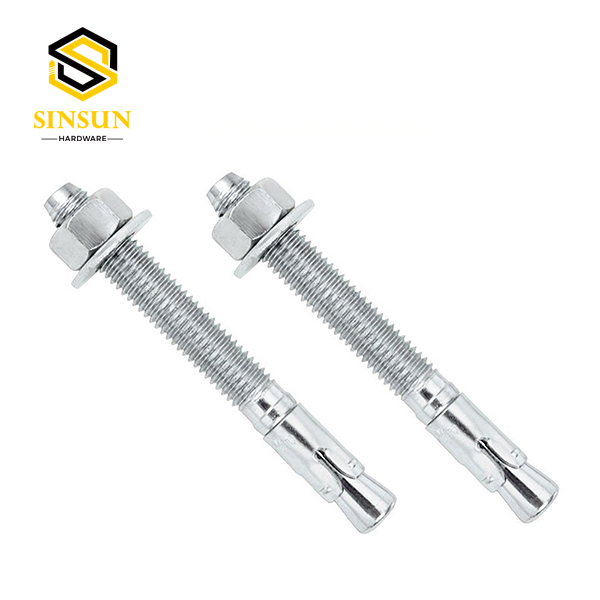
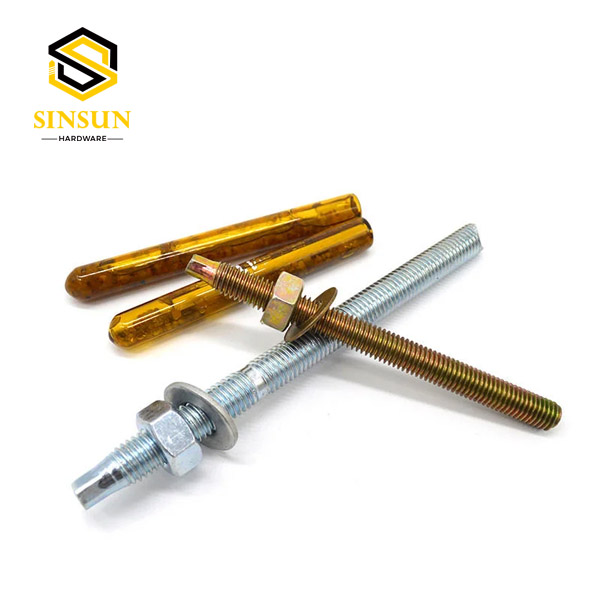
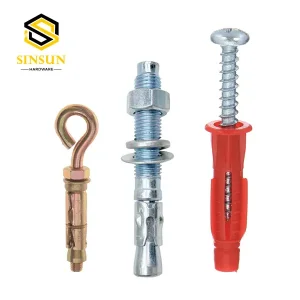
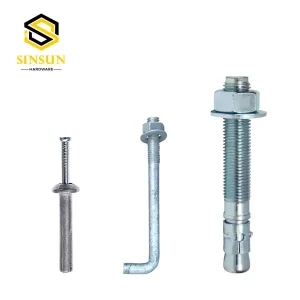
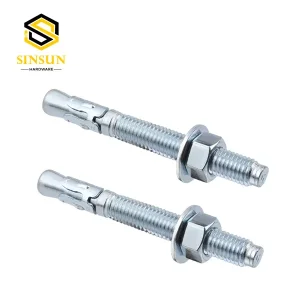
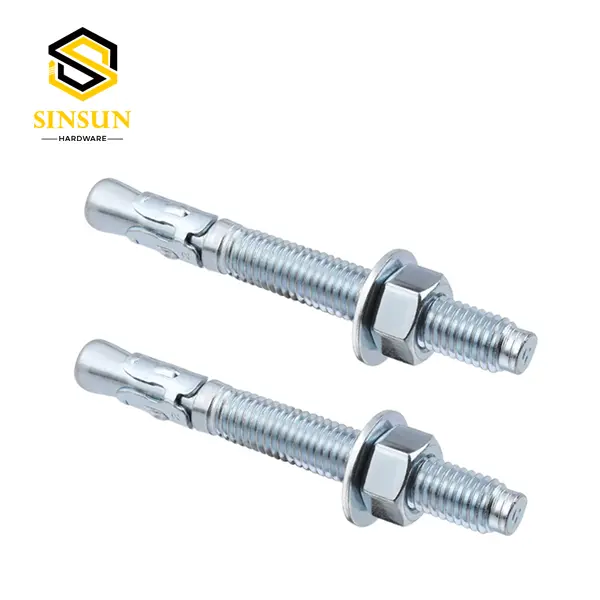
An expansion anchor is a fastener designed to secure fixtures to concrete, masonry, or stone. When installed and tightened, the expansion mechanism (such as a sleeve or wedge) expands against the walls of the pre-drilled hole, creating a strong friction-based hold.
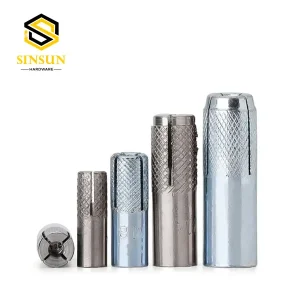
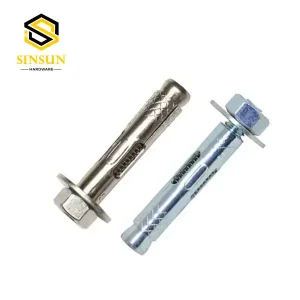
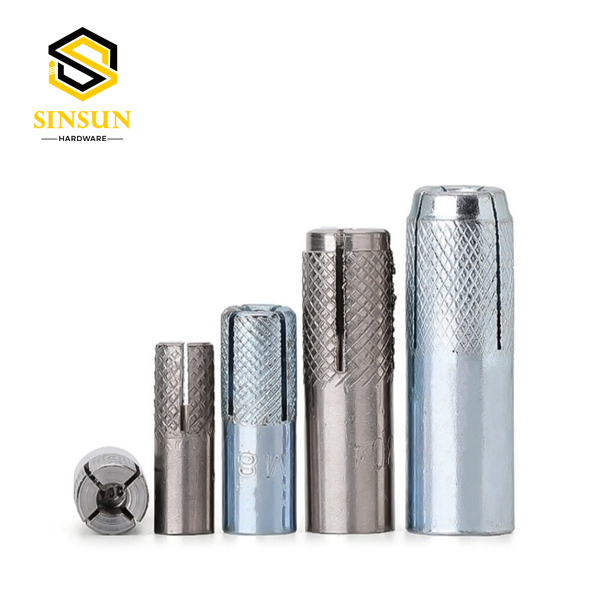
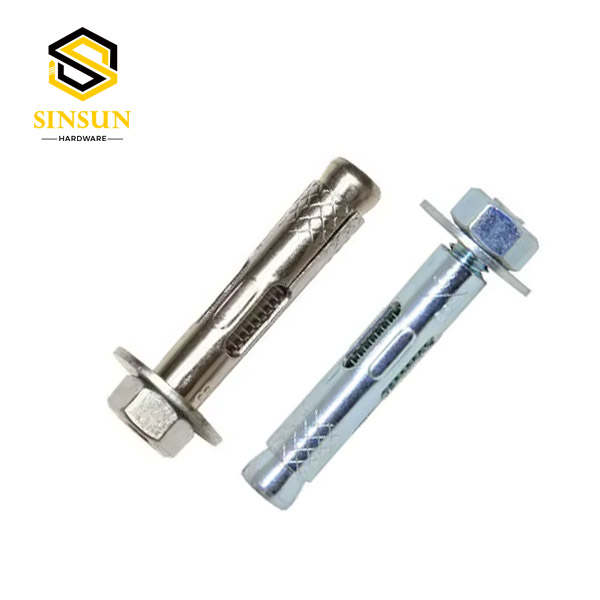
Sleeve anchors are versatile and can be used in concrete, brick, or block for medium to heavy-duty applications. Drop-in anchors, however, are specifically designed for solid concrete surfaces and require a setting tool to expand, making them ideal for overhead suspension and flush-mounting fixtures.
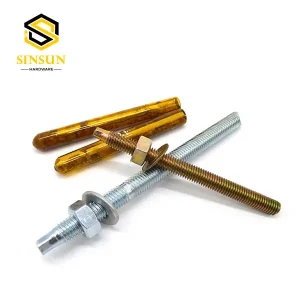
Chemical anchors use a resin or adhesive system to bond the metal stud directly to the concrete wall, offering high load-bearing capacity with minimal stress on the substrate. Mechanical anchors rely on physical expansion and friction, which can exert outward stress on the surrounding concrete.
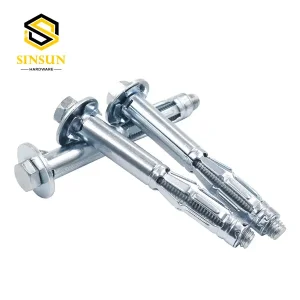
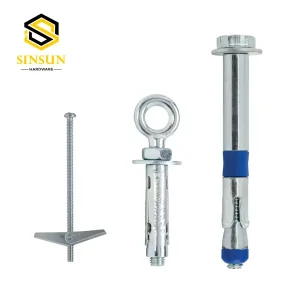
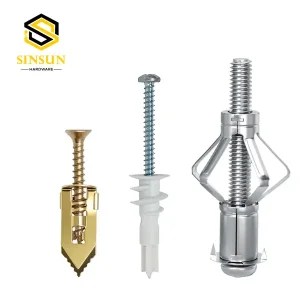
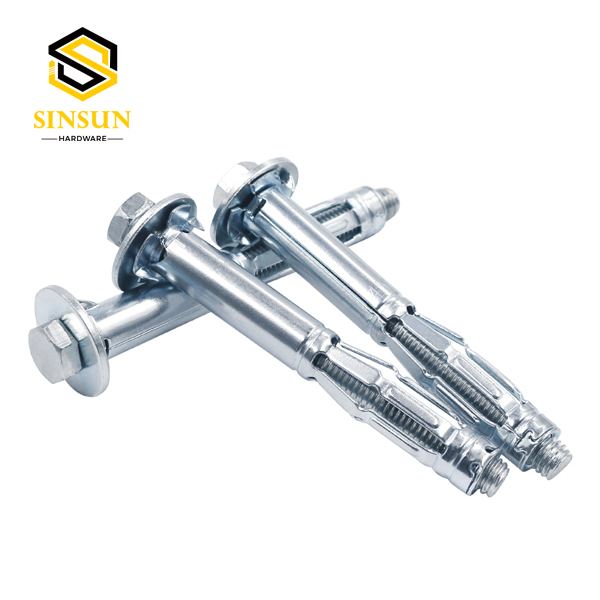
Yes, molly anchors (also known as sleeve-type hollow wall anchors) are highly suited for hollow walls like drywall and plasterboard. As the screw is tightened, the metal sleeve collapses outward to grip the back of the wall, distributing weight evenly.
The recommended drill bit size is typically equal to the outer diameter of the anchor body itself. Always refer to the specific manufacturer guidelines to ensure a proper fit, as drill hole depth and diameter are critical to achieving full holding power.