1 / 1
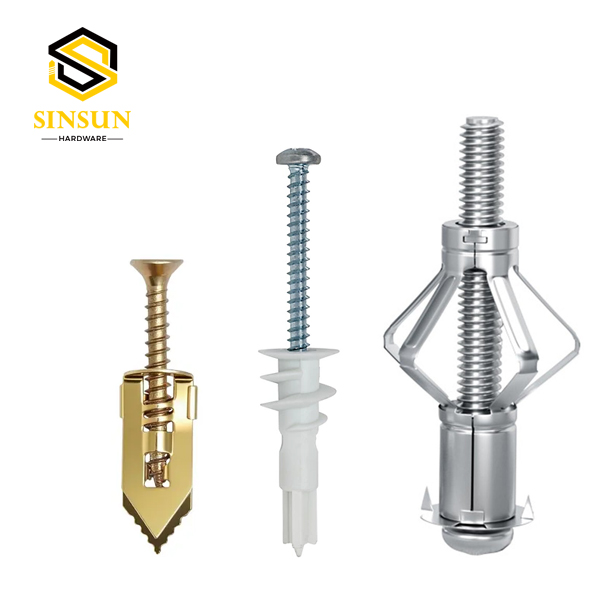
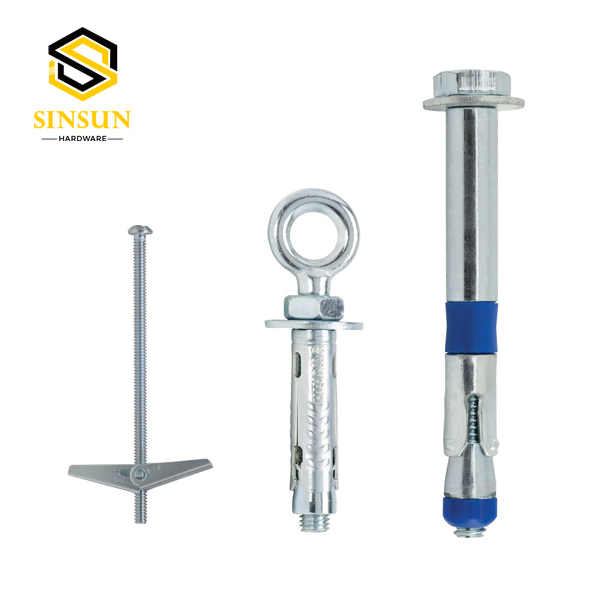
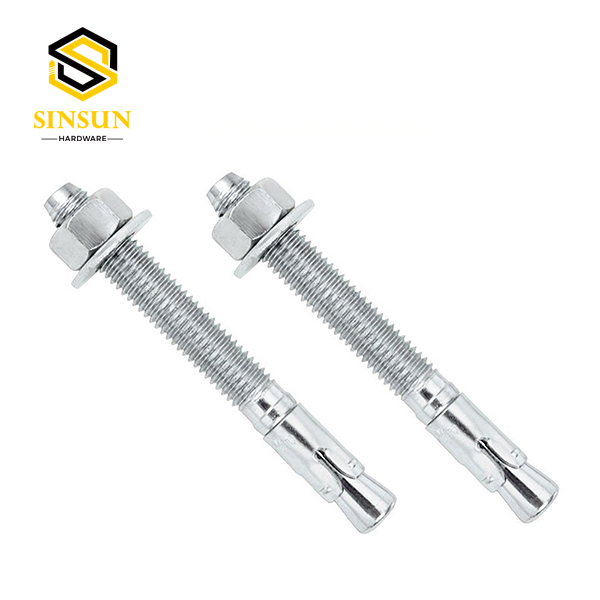
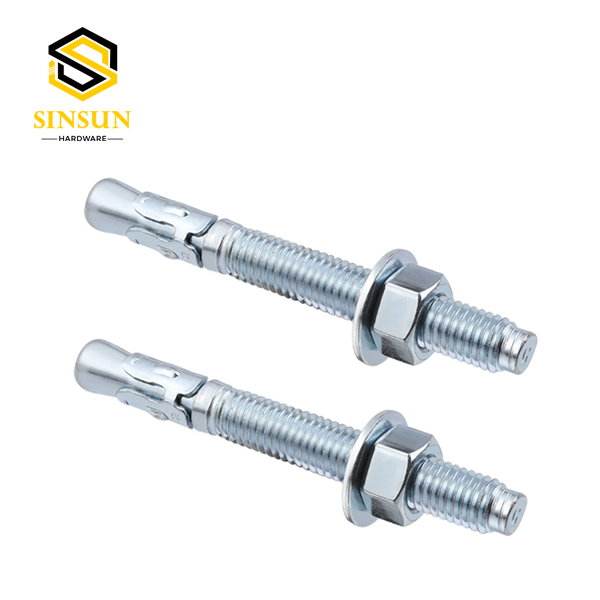
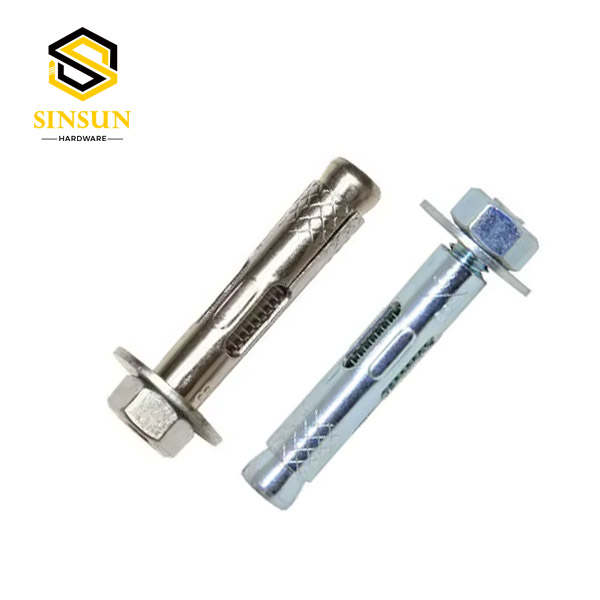
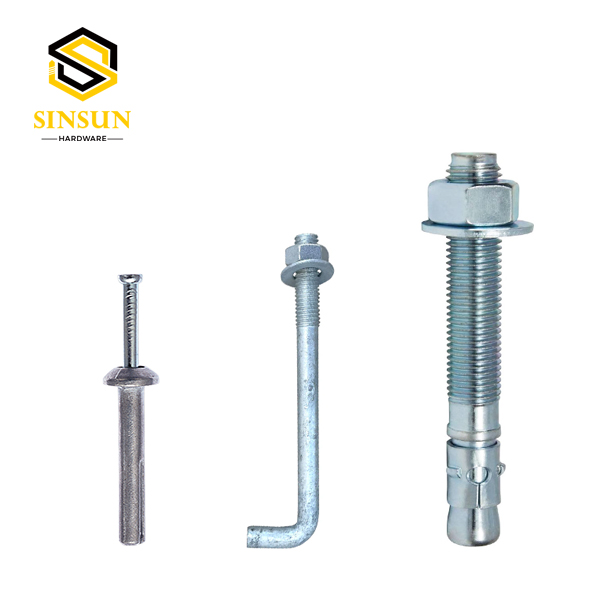
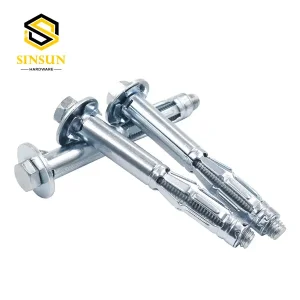
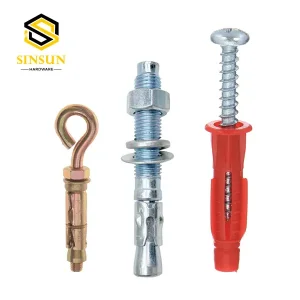
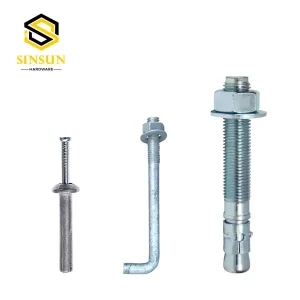
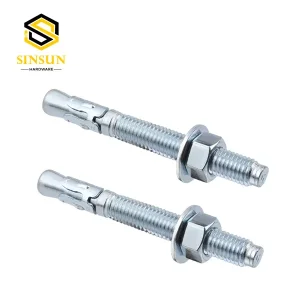
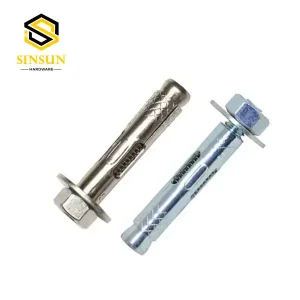
Wedge anchors are designed strictly for solid concrete and offer high holding power. Sleeve anchors are more versatile, suitable for use in concrete, brick, and block, and are typically used for medium-duty applications.
The correct anchor size depends on the weight of the load, thickness of the fixture, and local engineering requirements. Always ensure the drill bit size matches the anchor diameter precisely for secure fastening.
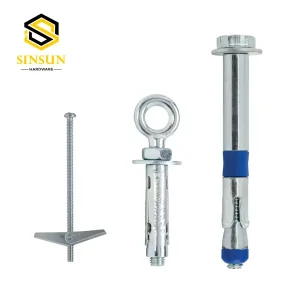
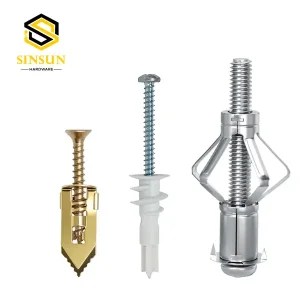
No, heavy-duty mechanical anchors like wedge or sleeve anchors require solid base materials like concrete or masonry. For drywall, specialized drywall anchors or toggle bolts should be used to distribute the load across the hollow wall.
Generally, no. Mechanical anchors wedge permanently into the concrete during expansion. Removing them usually damages either the concrete or the anchor threads, making them unsafe for reuse.
You will need a hammer drill, a masonry drill bit matching the anchor diameter, a blow pump or vacuum to clean the hole, a hammer to set the anchor, and a torque wrench to tighten the nut to specifications.