1 / 1
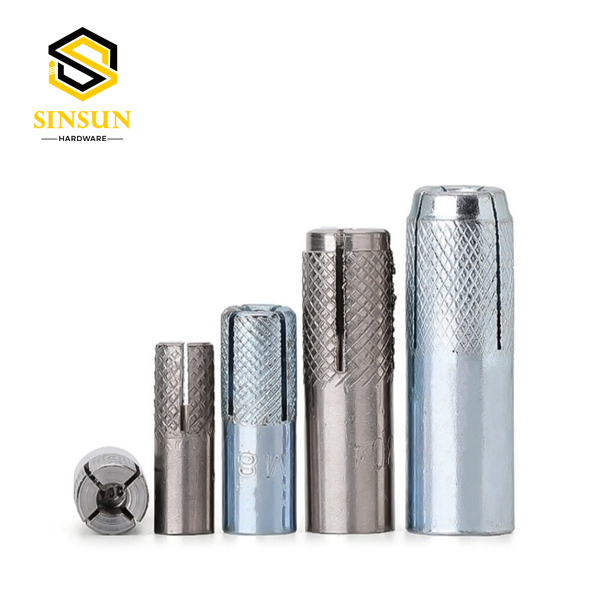
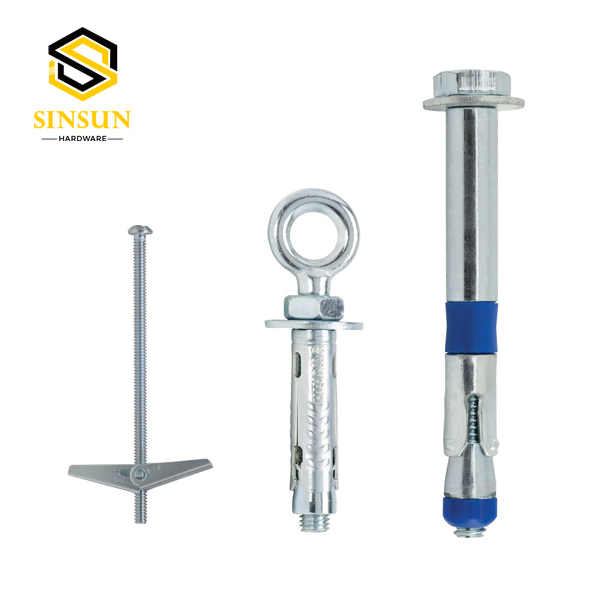
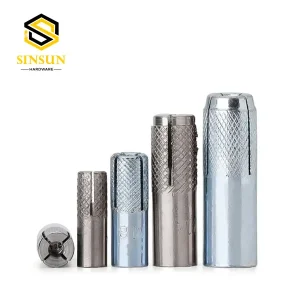
Drop-in anchors are female concrete anchors designed for anchoring into solid concrete. They are commonly used for overhead applications such as suspending pipes, ductwork, and structural steel elements where a flush-mount anchor is required.
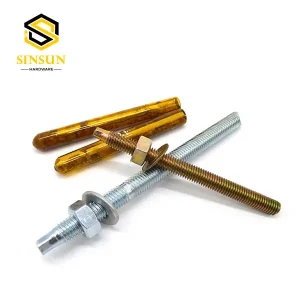
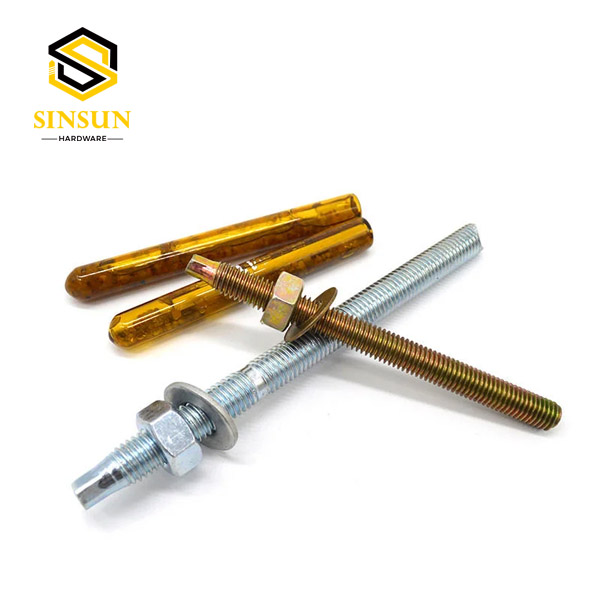
Chemical anchors utilize a resin-based adhesive system to bond the threaded stud directly to the base material. Unlike mechanical anchors that expand and put stress on the concrete, chemical anchors provide stress-free fastening, making them ideal for close-to-edge installations and high-load applications.
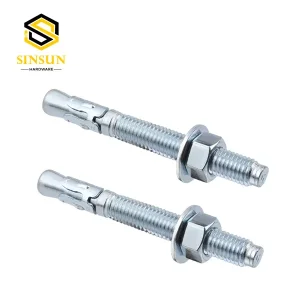
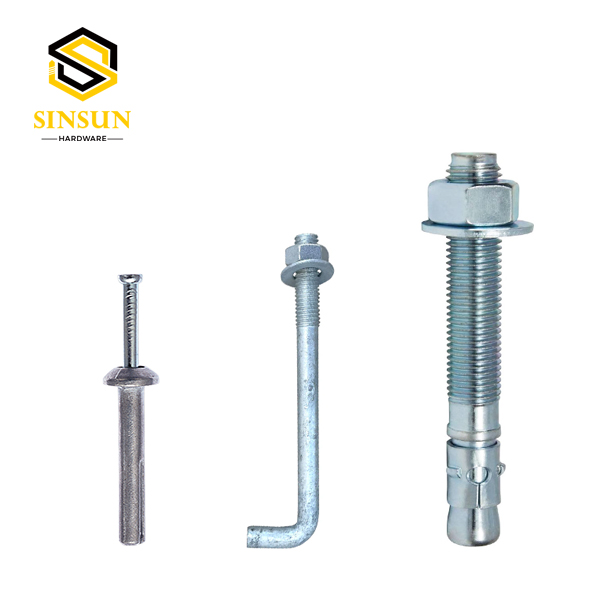
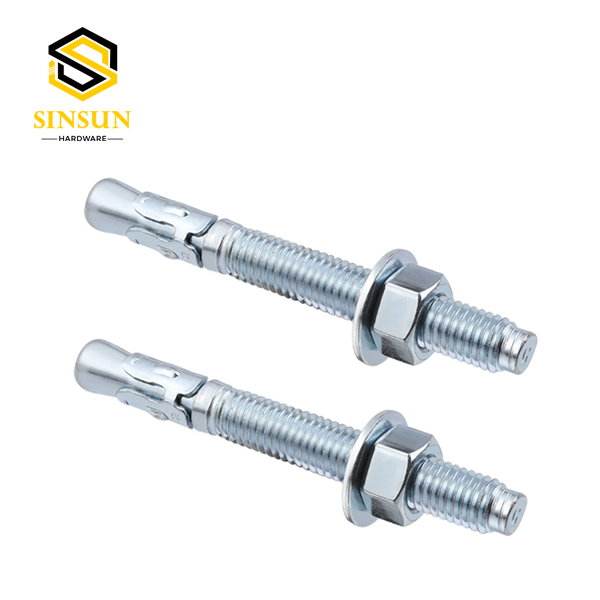
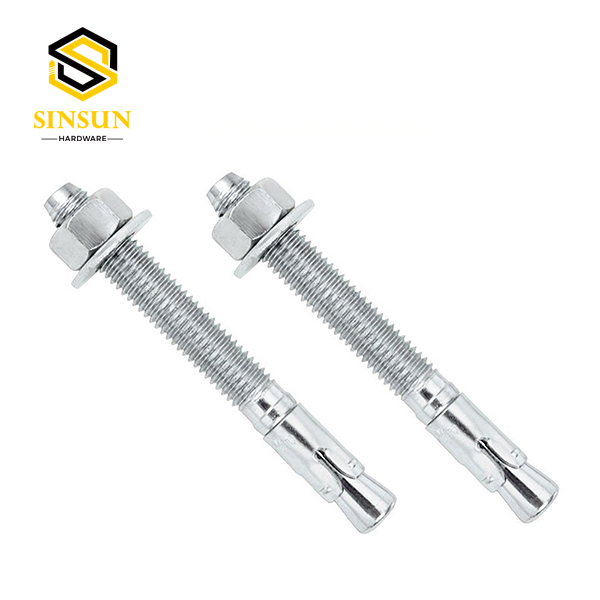
Wedge anchors are specifically designed for solid concrete applications. It is not recommended to use them in hollow brick, grout-filled block, or masonry materials, as these base materials do not provide the uniform resistance needed for the expansion mechanism to hold safely.
Standard installation requires a hammer drill with a carbide-tipped masonry drill bit, a blow-out bulb or wire brush to clean the hole, a hammer to drive the anchor, and a wrench or setting tool depending on the specific type of anchor used.
The load capacity depends on several critical factors, including the compressive strength of the concrete, the depth of embedment, the spacing between adjacent anchors, the distance from the concrete edge, and the diameter/grade of the anchor itself.
No, mechanical expansion anchors like wedge anchors and drop-in anchors are designed for permanent installation. Once expanded inside the concrete, they cannot be cleanly extracted or reused. If removal is necessary, they are typically cut flush with the concrete surface.