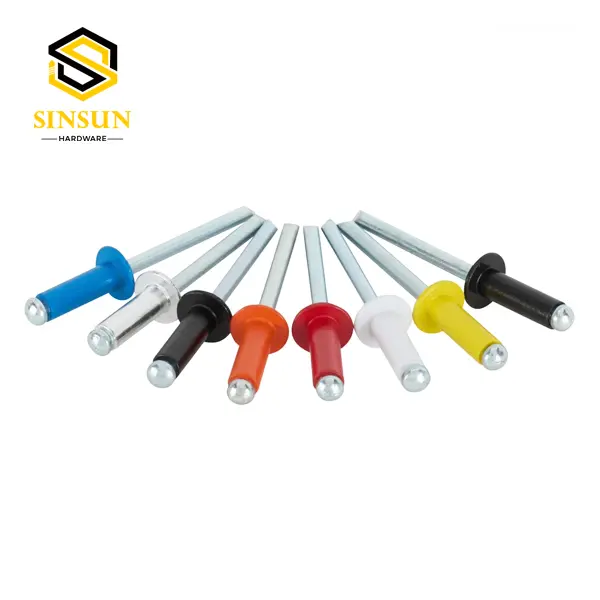
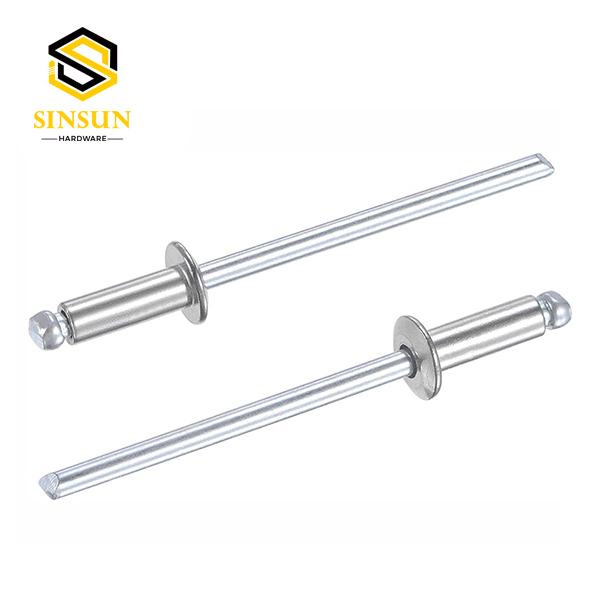
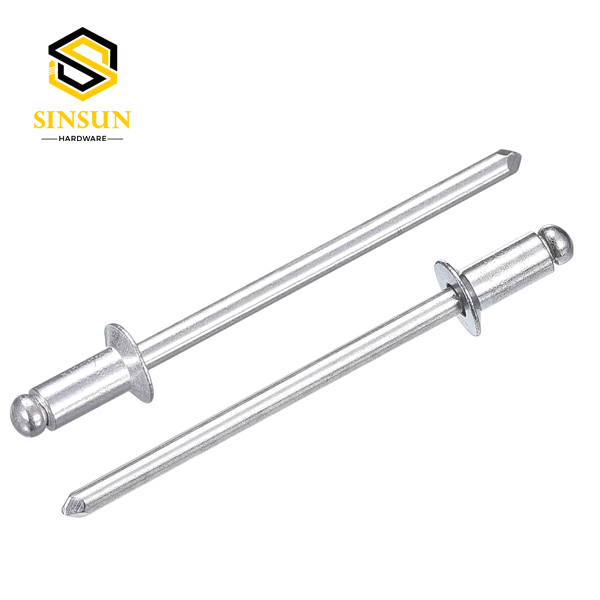
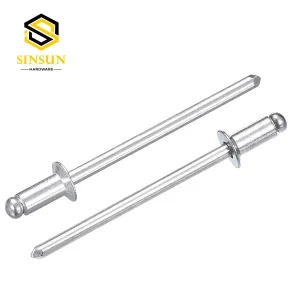
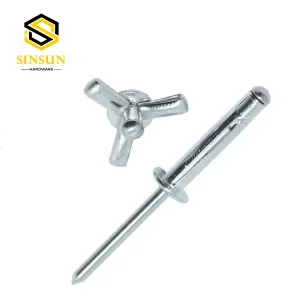
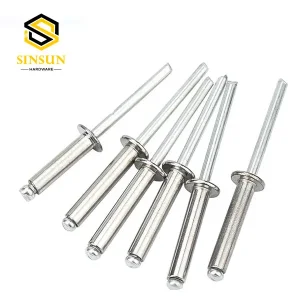
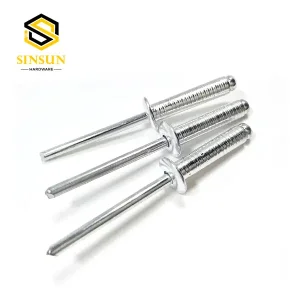
Pop rivets, also known as blind rivets, are ideal for applications where you only have access to one side of the joint. They are widely used in manufacturing, automotive, and construction industries for quick and reliable fastening.
How do Groove Rivets differ from standard rivets?
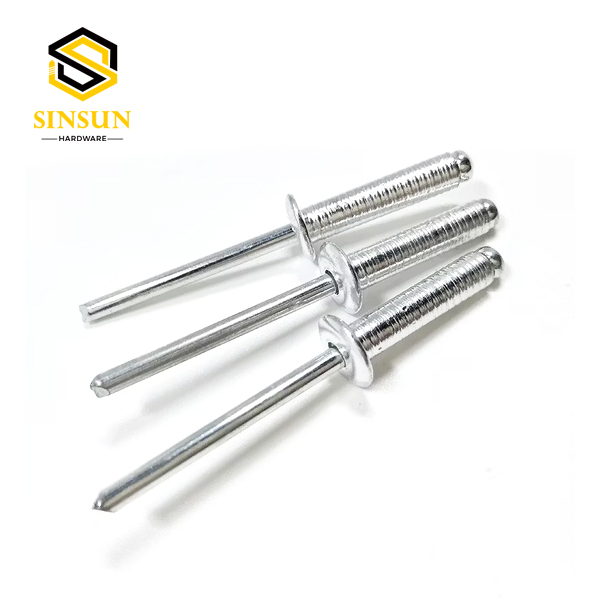
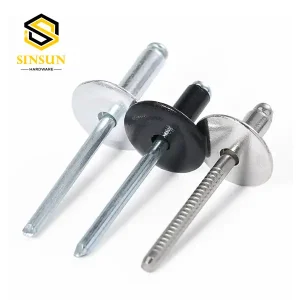
Groove rivets feature circular grooves along their shank, which provide excellent grip and holding power, particularly when fastening softer materials like wood, plastics, or fiberglass.
What is the advantage of using Tubular Rivets?
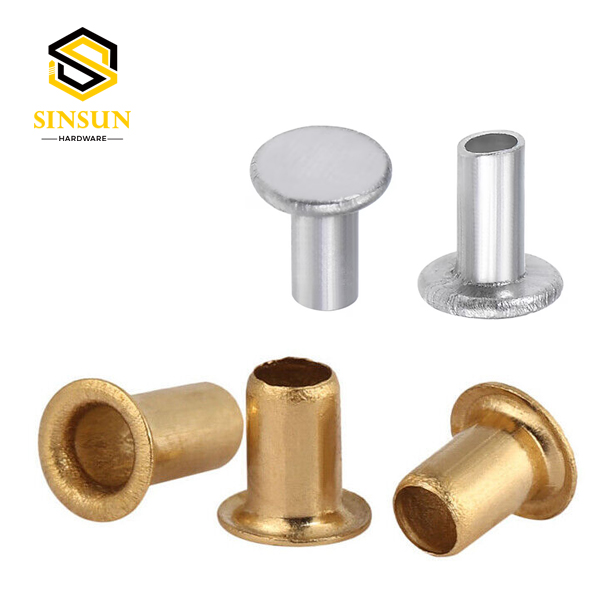
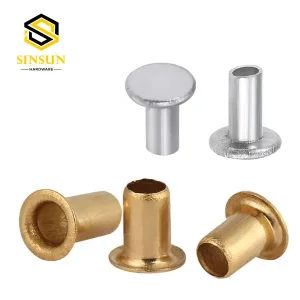
Tubular rivets have a hollow shank that requires less force to apply compared to solid rivets. They are commonly used in commercial applications like luggage, electronics, and pivot joints where movement is required.
When should Solid Rivets be chosen?
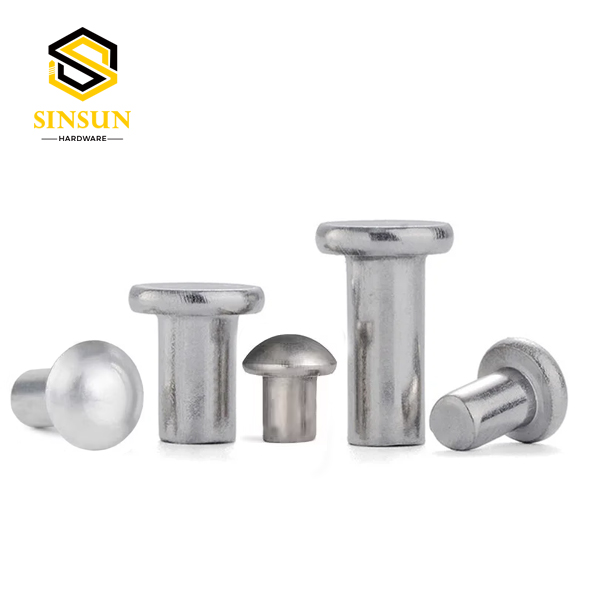
Solid rivets offer maximum shear strength and reliability, making them the standard choice for critical applications like aircraft structures, bridges, and heavy machinery where safety and structural integrity are paramount.
What is the purpose of Countersunk Rivets?
Countersunk rivets are designed to sit flush with the surface of the joined materials. This minimizes aerodynamic drag or mechanical interference, making them ideal for aviation and outer panels.
What are Exploding Rivets and how do they function?
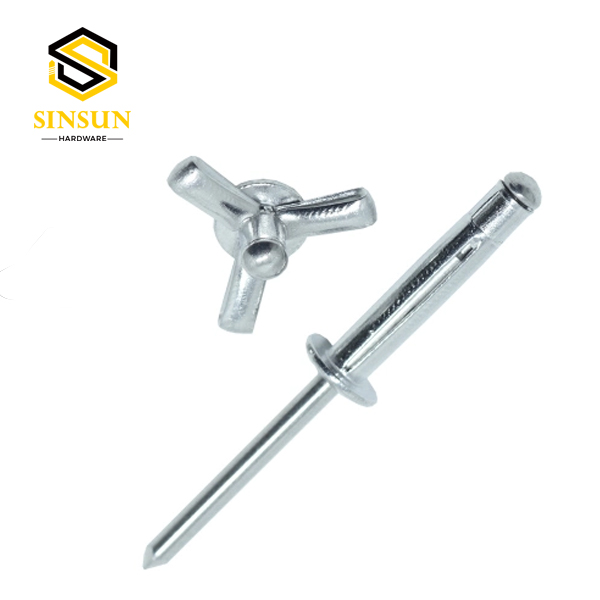
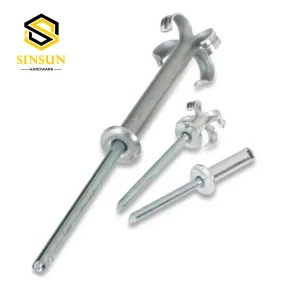
Exploding rivets (or split/peel rivets) split into multiple directions upon installation to distribute the clamping force over a wider surface area, preventing pull-through in brittle or soft materials.