1 / 1
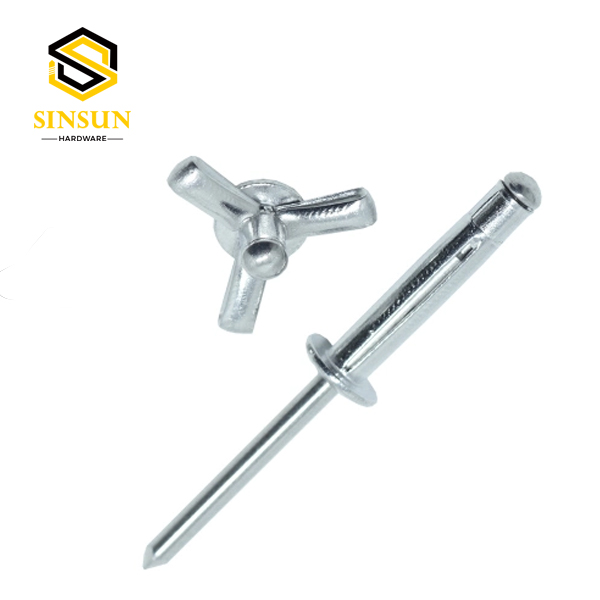
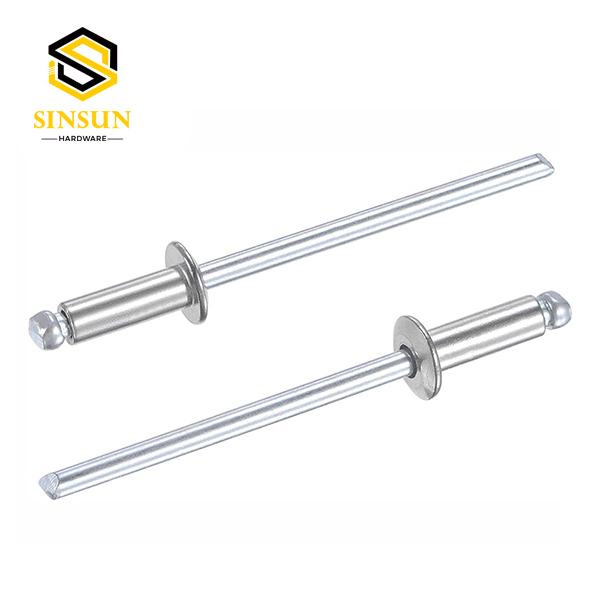

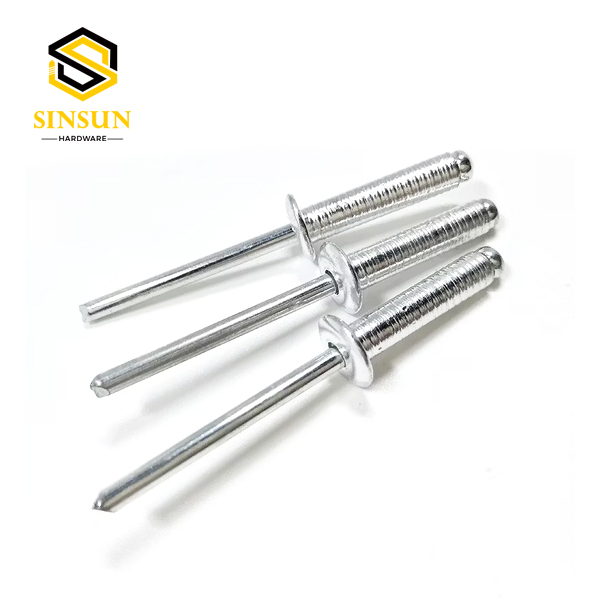
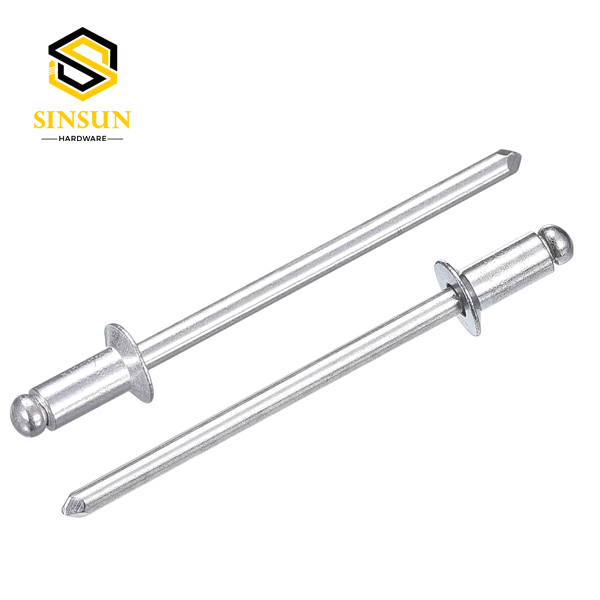
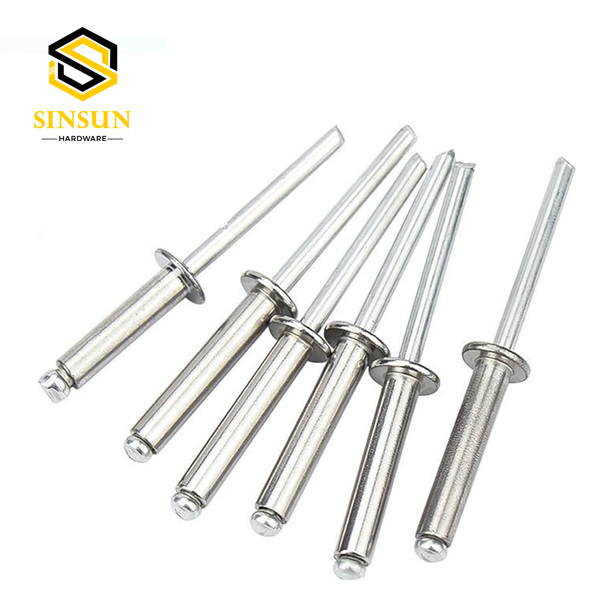
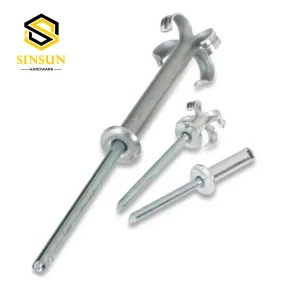
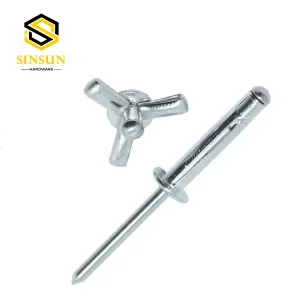
Exploding rivets, also known as peel or split rivets, feature a body that splits into multiple directions when installed. This provides a wide back-side surface area, making them ideal for fastening soft, brittle, or plastic materials without causing damage.
Sealed rivets, or closed-end rivets, are designed to completely seal the mandrel head within the body. This prevents the passage of liquids, air, or moisture, making them perfect for waterproof applications like automotive, marine, and electrical enclosures.
Countersunk rivets are chosen when a flush surface finish is required. They fit into pre-drilled countersunk holes to ensure that the rivet head does not protrude, reducing surface resistance and preventing catching or snagging.
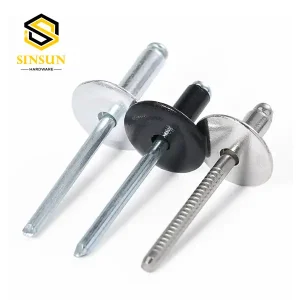
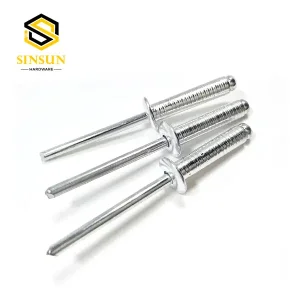
Groove rivets feature ribbed bodies designed to grip the inner walls of non-metal substrates like wood, plastic, or concrete. Unlike standard blind rivets, they expand inside the pre-drilled blind hole without needing to pass completely through the material.
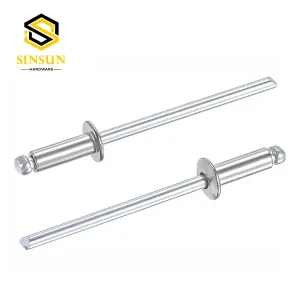
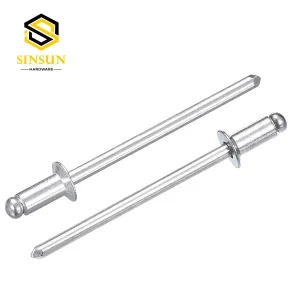
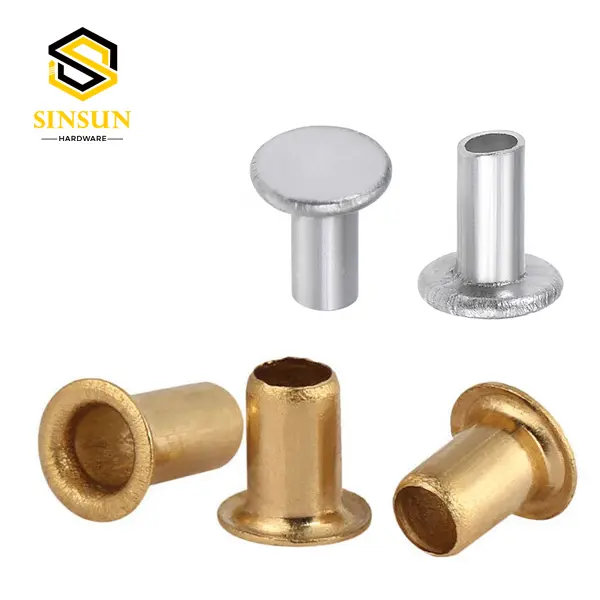
Open end rivets are the most common, cost-effective general-purpose fasteners. Unlike sealed versions, the mandrel remains slightly exposed or falls out after installation, which is ideal for standard structural joints that do not require liquid containment.