1 / 1
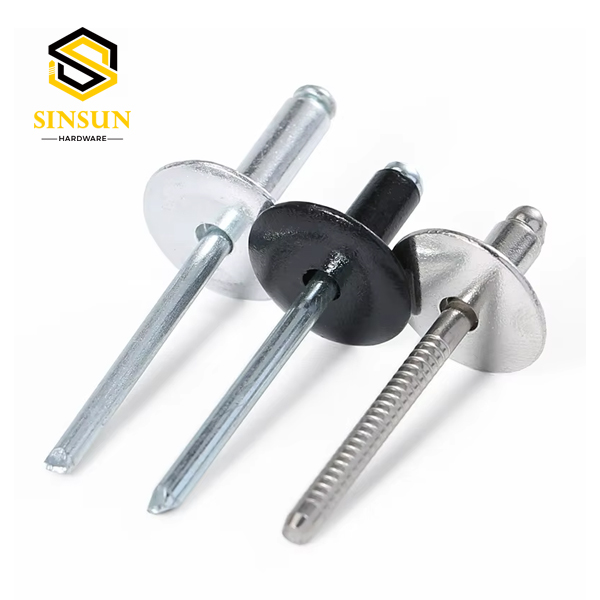


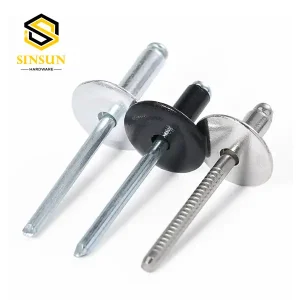
Large flange rivets feature a wider washer-like head, which distributes pressure over a larger surface area. This design makes them ideal for fastening soft or brittle materials, such as plastics, wood, and fiberglass, to metal frames without damaging the parent material.
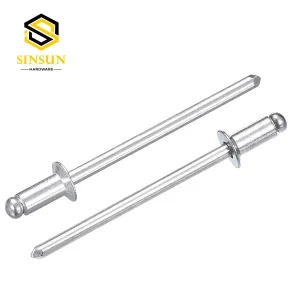
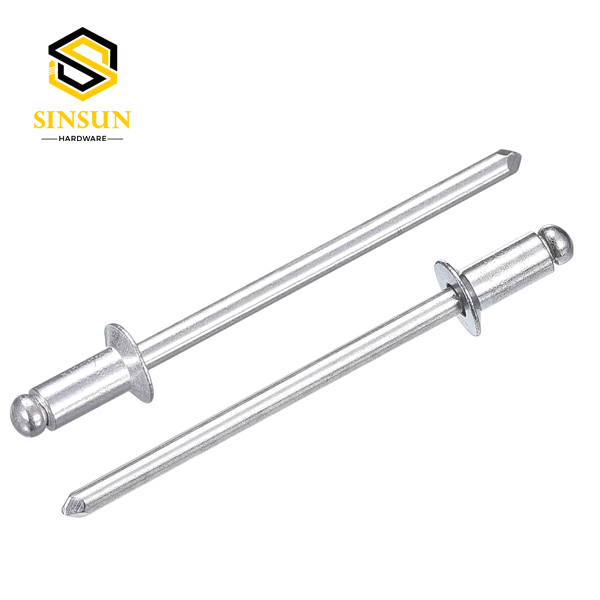
Sealed rivets are designed with a unique cup-shaped end that completely encloses the mandrel head. This configuration prevents fluid or gas leakage and keeps dust and moisture out, making them perfect for watertight and airtight applications.
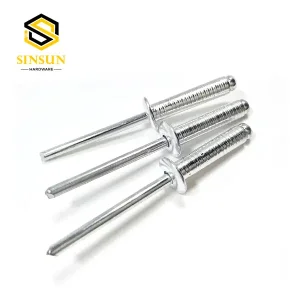
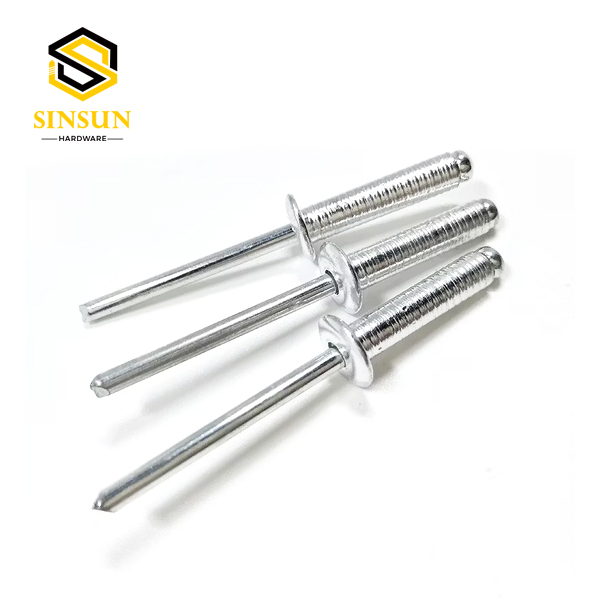
Groove rivets are engineered to grip inside non-metal surfaces like wood, brick, or concrete. When installed, the rivet body expands into the grooves of the material, providing high-friction retention and pull-out resistance.
Countersunk rivets sit flush with the surface of the mated components once installed. This eliminates protruding heads, creating a smooth and aerodynamic surface, which is essential in aerospace applications and precision machinery.
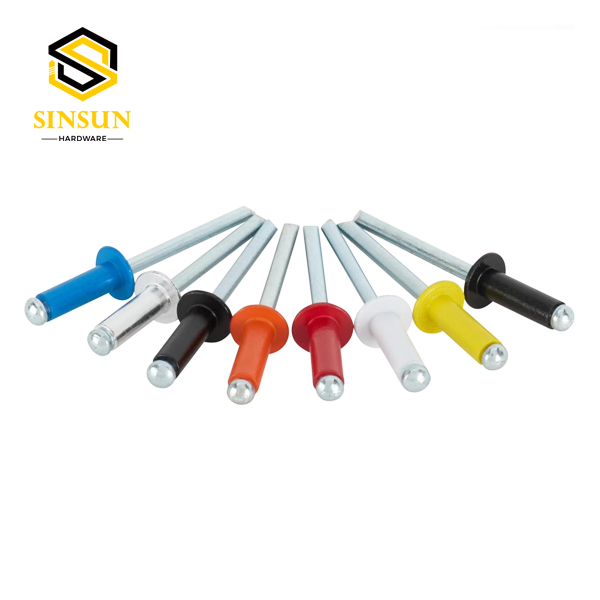
While colored rivets are often used to match the color theme of the joined panels, the coloring process (typically painting or anodizing) also adds an extra layer of corrosion and wear resistance, enhancing the durability of the fastener.