1 / 1
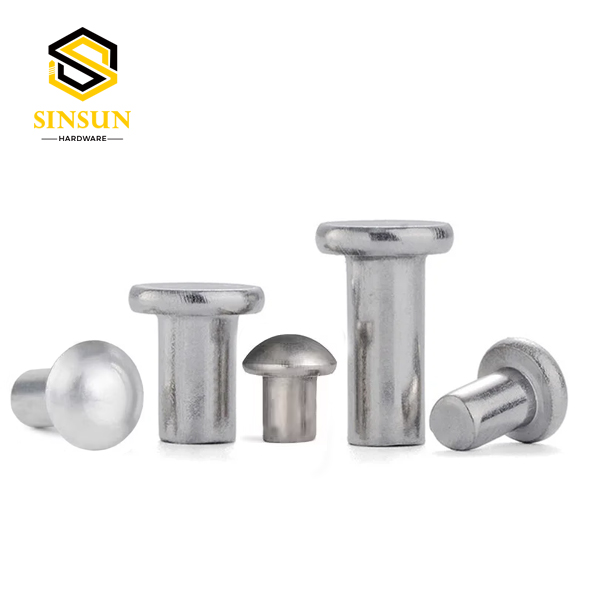
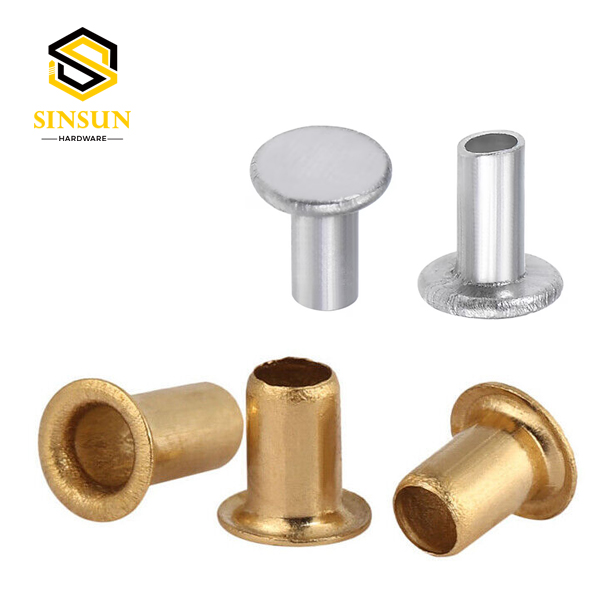
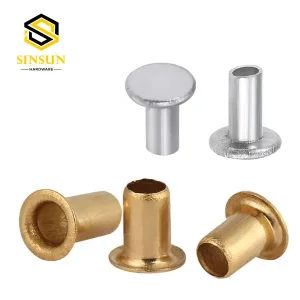
Solid rivets consist of a completely solid shaft and require mechanical force to deform the tail, offering maximum strength for heavy-duty structural applications. Tubular rivets feature a hollow shank, requiring less setting force, which makes them ideal for pivot joints, electronics, and lighter assemblies.
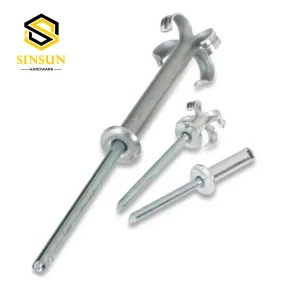
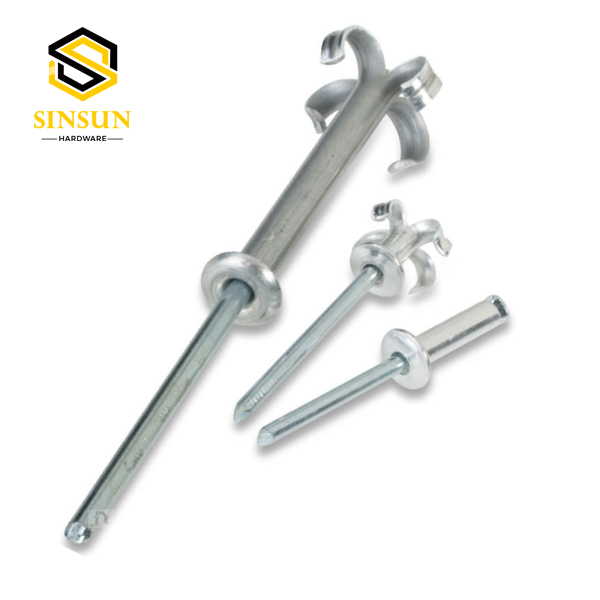
Peel rivets are designed specifically for joining soft, brittle, or low-strength materials like plastics, wood, and fiberglass. During installation, the sleeve splits into four petals on the blind side to distribute the clamping pressure widely, preventing material distortion or pull-through.
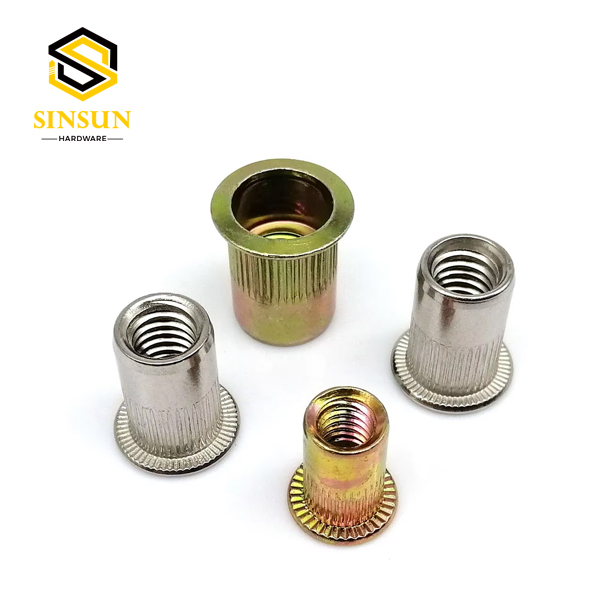
Rivet nuts act as internal threads for thin sheet materials where tapping threads is not possible. They are installed from one side using a rivet nut tool, collapsing the sleeve to lock the nut in place. This provides a strong, permanent, and reusable threaded insert for bolts and screws.
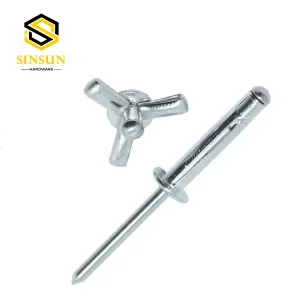
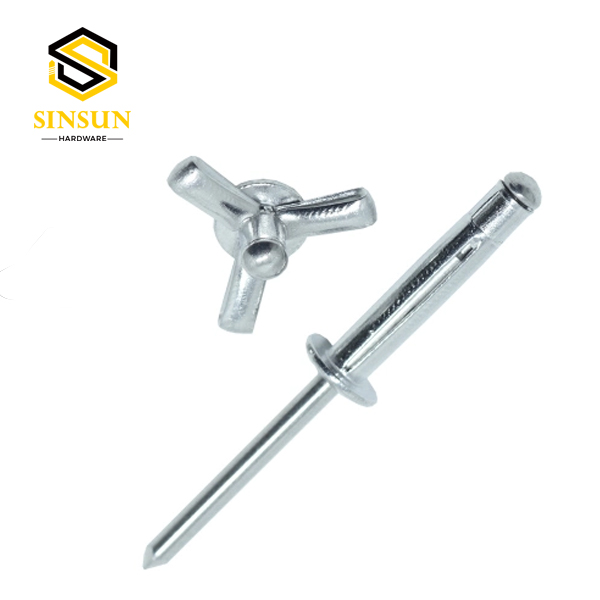
Exploding rivets (also referred to as split or tri-fold rivets) fold out into three wide legs on the blind side during installation. This mechanism provides an extremely large bearing surface area to securely fasten uneven, soft, or weak substrates without pulling through.
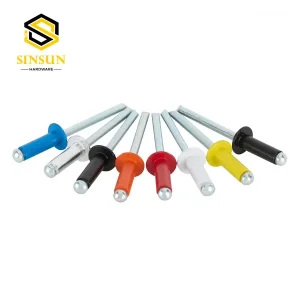
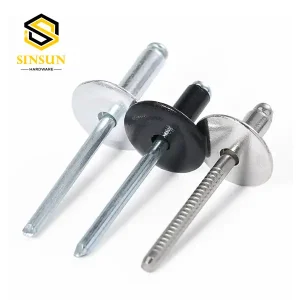
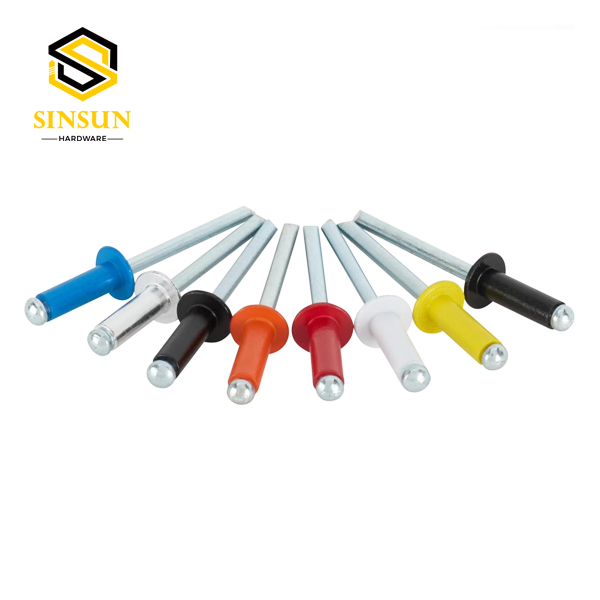
No. While colored rivets are frequently chosen to seamlessly match painted components for a clean aesthetic finish, their specialized coatings (such as anodized or painted finishes) also provide additional protection against corrosion and wear in outdoor or harsh environments.
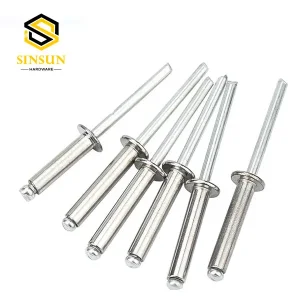
Our fasteners are manufactured using a variety of high-grade materials, including aluminum, steel, stainless steel, and copper, allowing you to select the precise tensile strength, shear strength, and corrosion-resistance level required for your specific application.