1 / 1
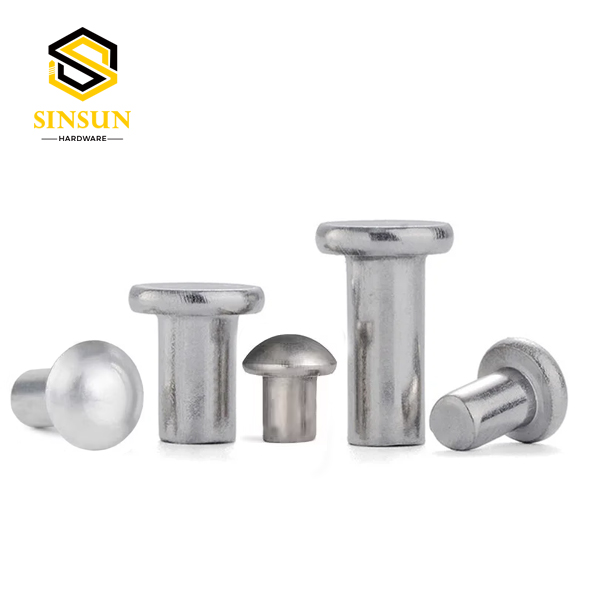
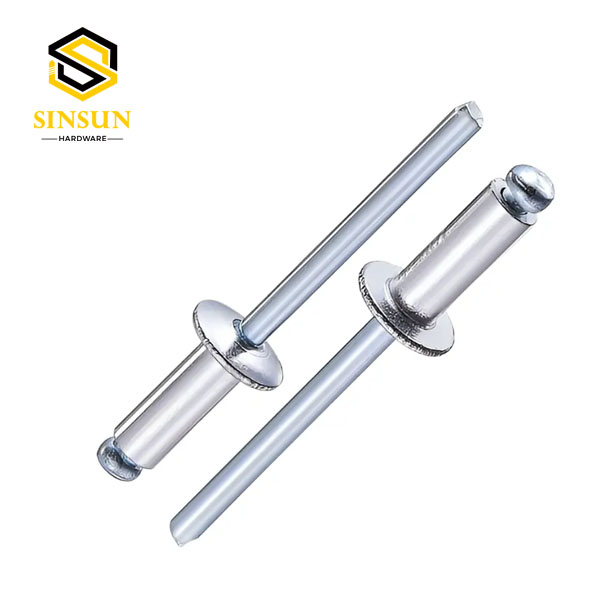
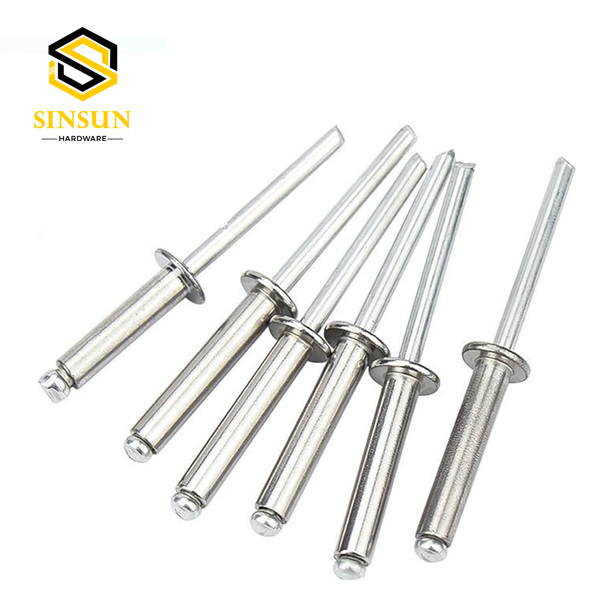
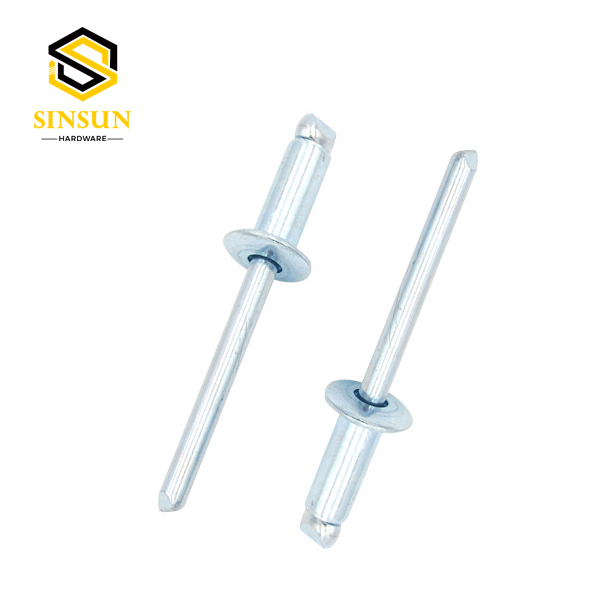
A: Solid rivets require access to both sides of the material for installation and must be hammered or pressed. Blind rivets (or pop rivets) only require access to one side, making them ideal for tubular or closed assembly environments.
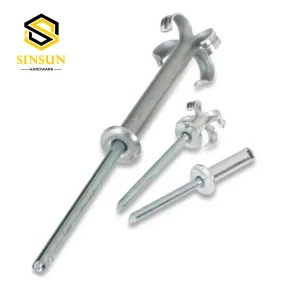
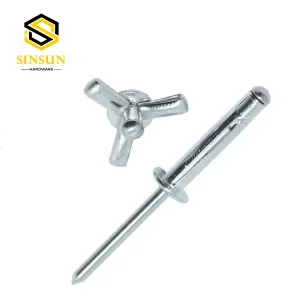
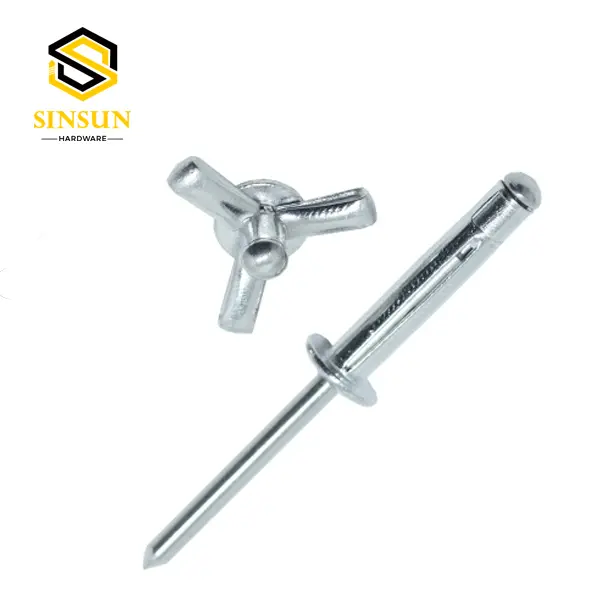
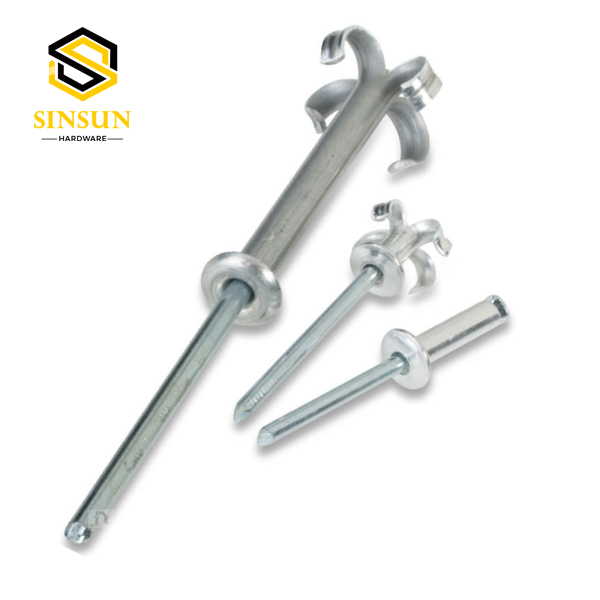
A: Peel rivets are specifically designed for fastening softer materials such as plastics, wood, and composites. Upon installation, the body splits into separate petals, distributing the load over a larger area to prevent pulling through or cracking fragile materials.
A: Yes, closed-end or sealed rivets feature a cup-shaped configuration that retains the mandrel head inside the rivet. This design prevents liquid or vapor from passing through the fastener, providing an excellent water-resistant and pressure-tight seal.
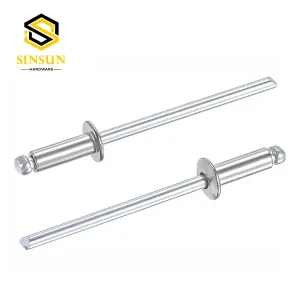
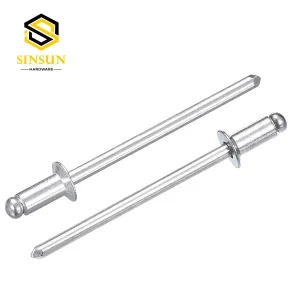
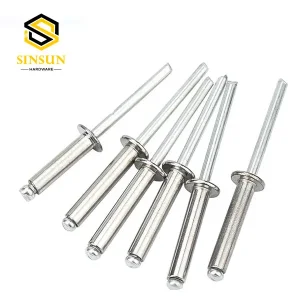
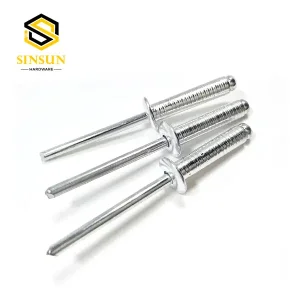
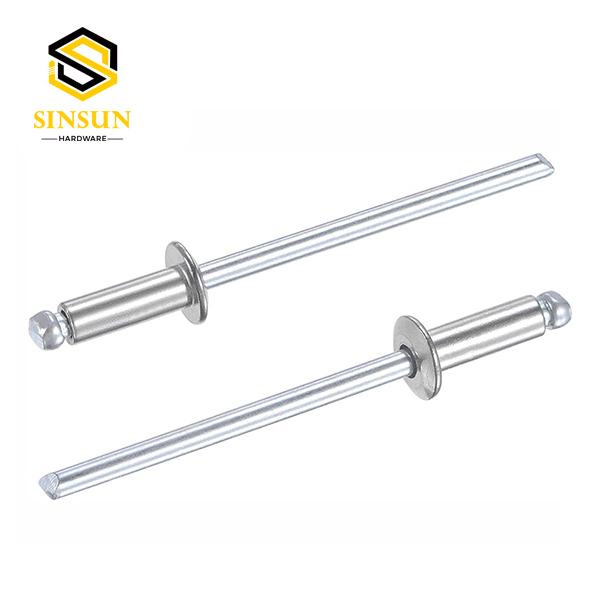
A: Open end rivets are general-purpose fasteners widely used in construction, automotive assembly, and manufacturing. They provide strong, vibration-resistant connections for metals and thin sheet materials where a fluid-tight seal is not required.
A: You need to determine the total thickness of the materials being joined (grip range) and the hole diameter. Selecting a rivet with the appropriate grip range ensures the mandrel pulls through correctly to form a secure, load-bearing joint.