1 / 1
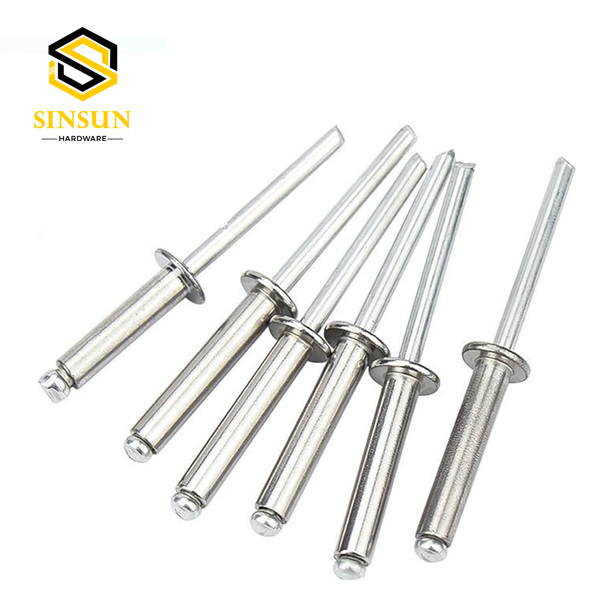
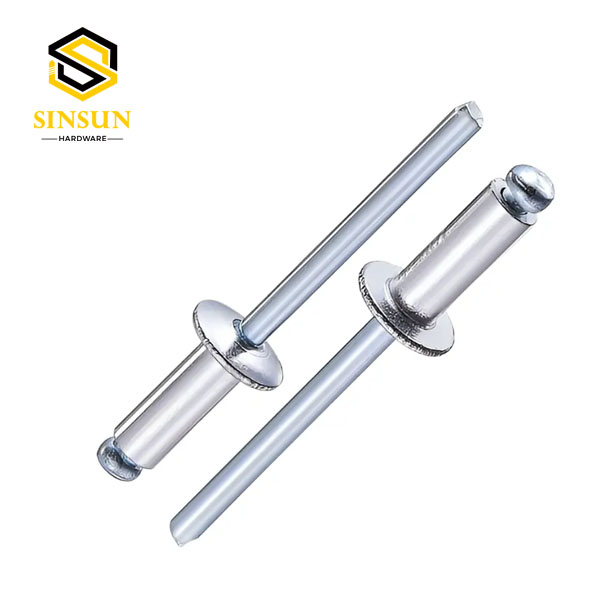
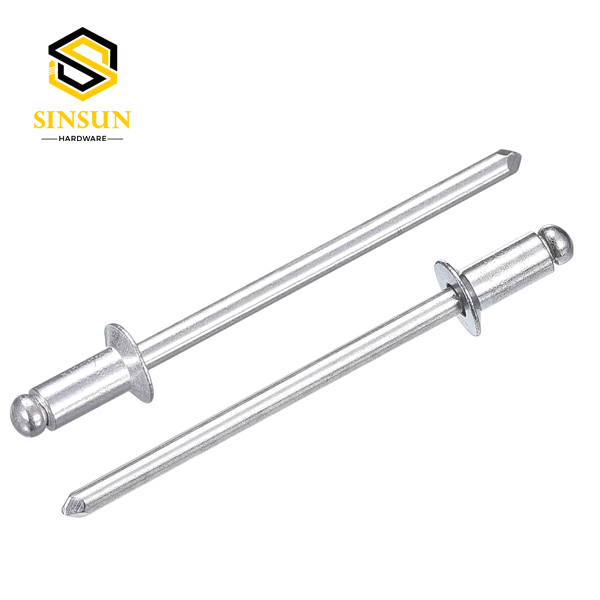
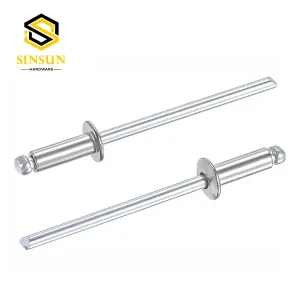
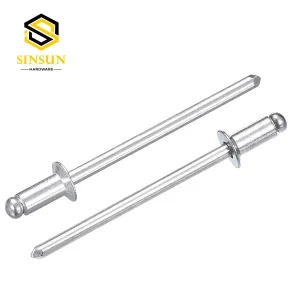
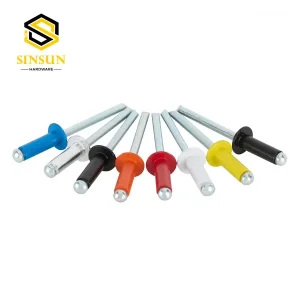
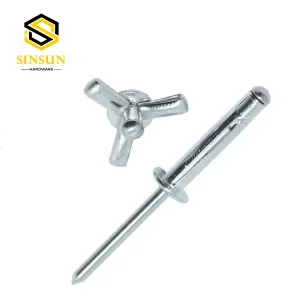
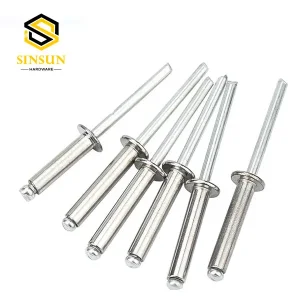
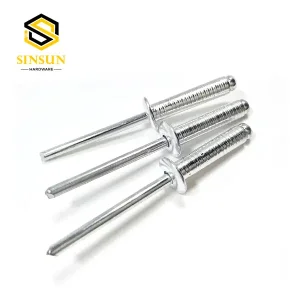
Blind rivets are widely used in situations where access to the joint is available from only one side. They are essential in automotive, aerospace, sheet metal fabrication, and electronics assembly.
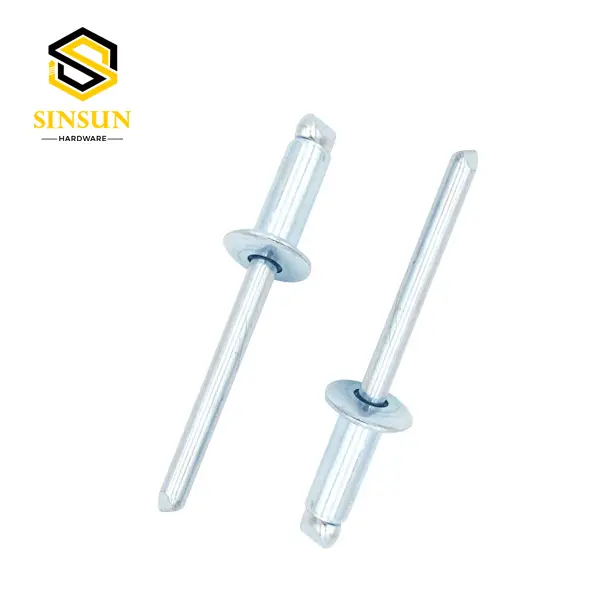
Sealed rivets feature a unique closed-end structure that prevents the entry of liquids, moisture, or gas. They are perfect for watertight applications like marine construction, plumbing, and outdoor enclosures.
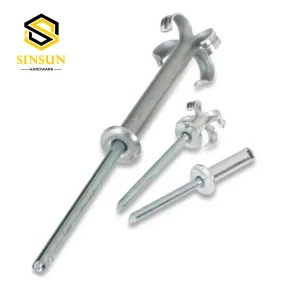
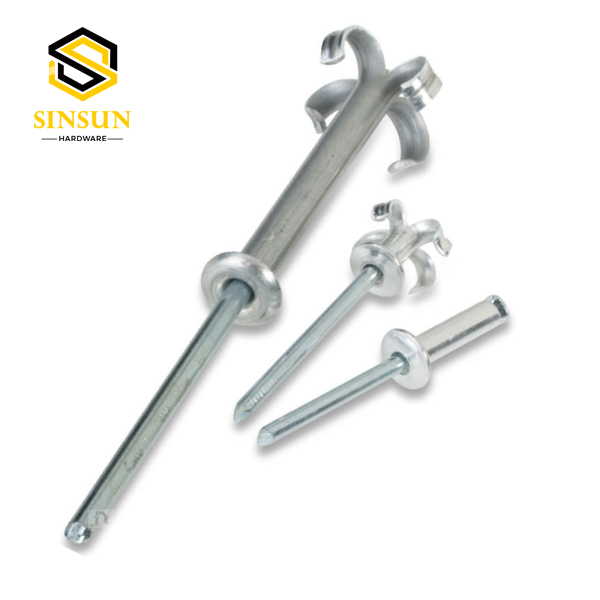
Peel rivets split into multiple petals during installation. This configuration distributes the clamping force over a much broader surface area, preventing damage or pulling through soft, thin, or brittle materials like plastics and wood.
Countersunk rivets are preferred when a flat, smooth outer surface is required. They sit flush with the material surface, which is ideal for aerodynamic designs or where external clearances are limited.
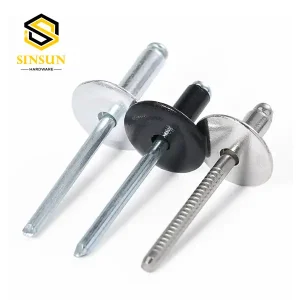
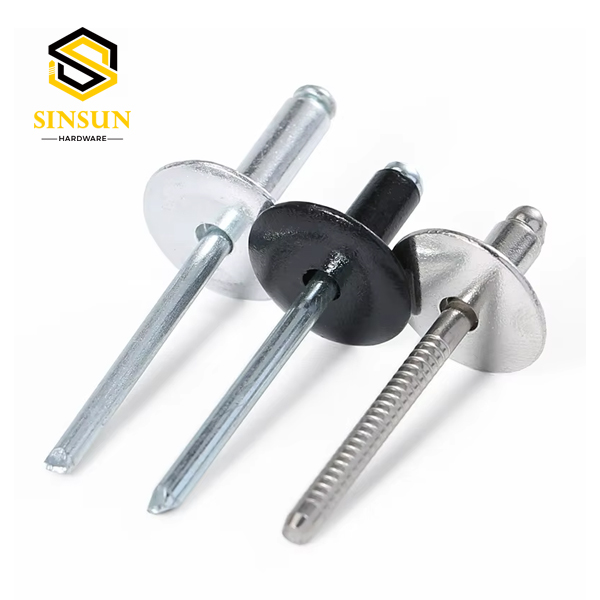
Large flange rivets have an extended surface area under the head, which provides additional support and prevents the rivet from slipping through oversized or elongated holes in softer materials.
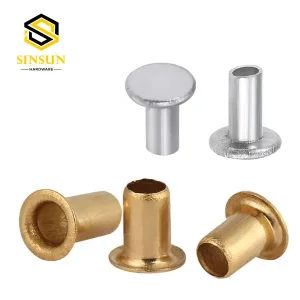
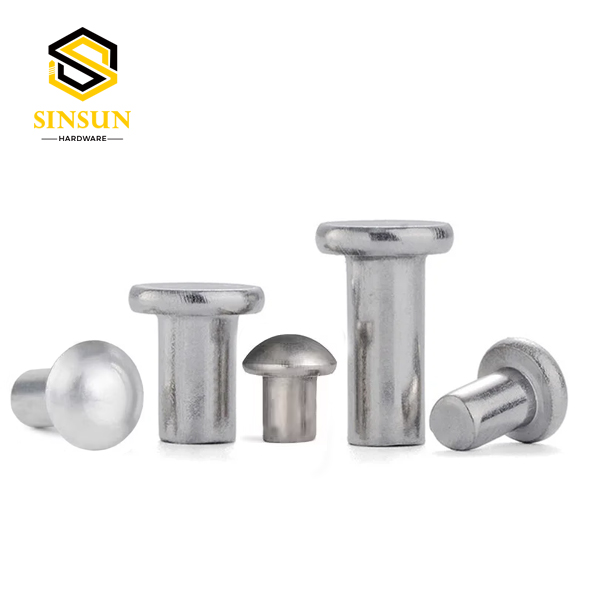
Solid rivets are among the strongest fasteners available, offering unmatched shear and tensile strength. They require access to both sides of the assembly and are commonly used in structural steelwork, bridges, and aircraft hulls.