
1 / 1

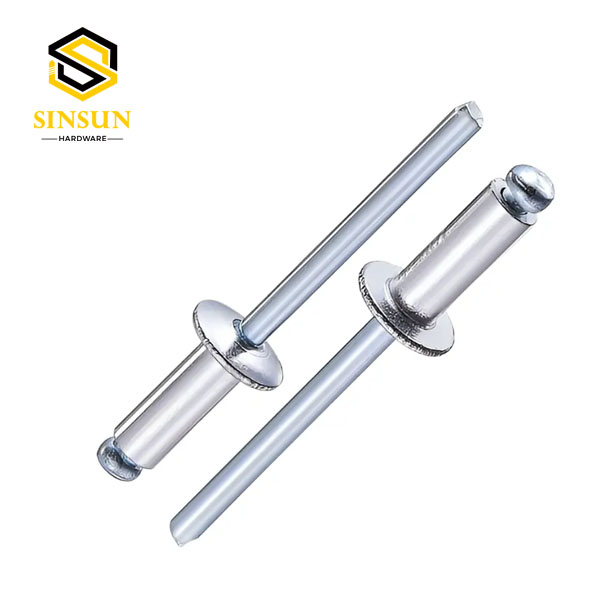
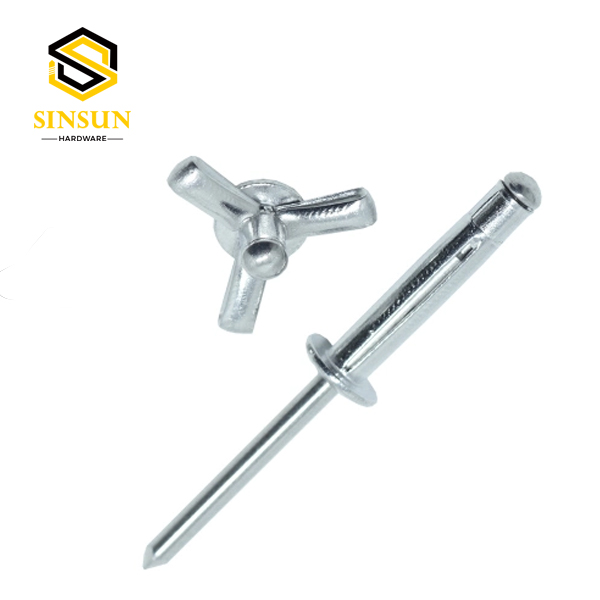
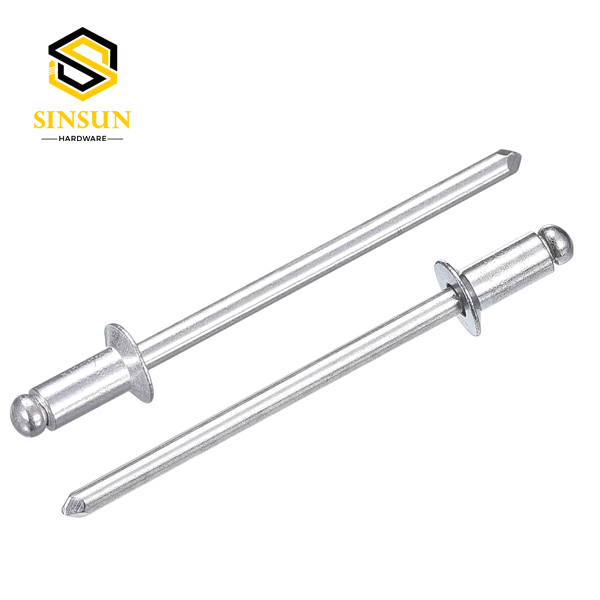
A rivet nut provides a strong, load-bearing thread in thin materials or sheets where tapping threads is not structurally feasible. It allows for the easy assembly and disassembly of secondary components using standard screws or bolts.
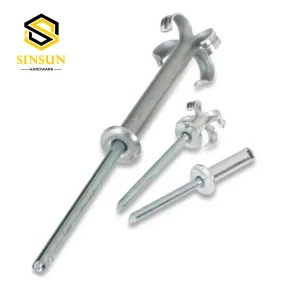
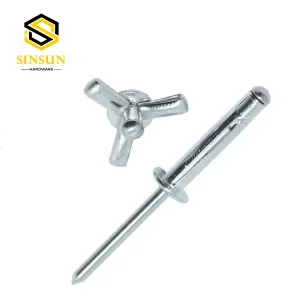
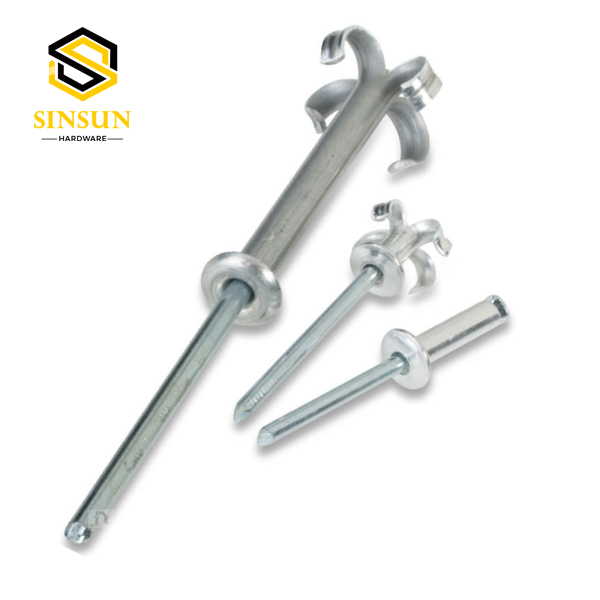
Peel rivets split into four separate legs on the blind side during installation. This design distributes the clamping force over a much wider surface area, making them ideal for fastening soft materials, plastics, wood, and composites without damaging the substrate.
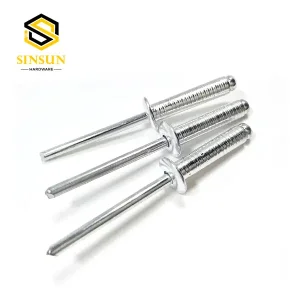
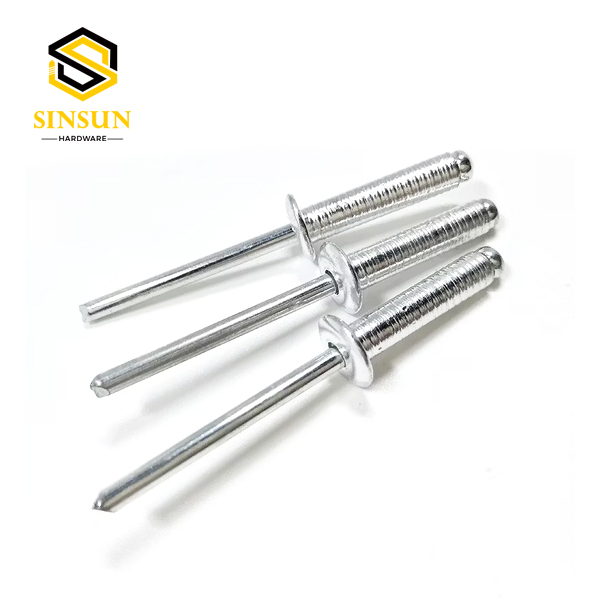
Groove rivets are specially designed for blind applications in fibrous materials like wood, fiberboard, or plastics. When installed, the rivet body expands into the grooves of the hole, creating a secure mechanical lock within non-metallic materials.
Countersunk rivets are designed to sit flush with the surface of the joined materials. This removes any protruding rivet heads, creating a smooth finish that reduces aerodynamic drag, prevents snagging, and enhances aesthetic appearance.
Exploding rivets expand dynamically upon setting to fill oversized or poorly aligned holes. They are highly effective in repair situations and when fastening materials that require a wide grip range and high resistance to vibration.