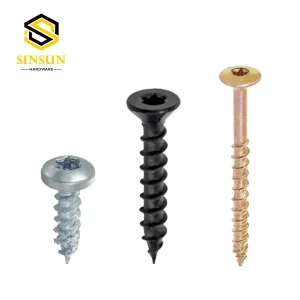
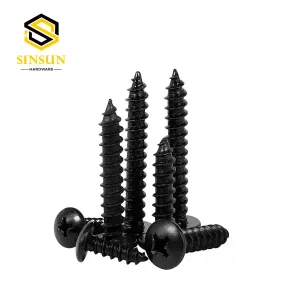
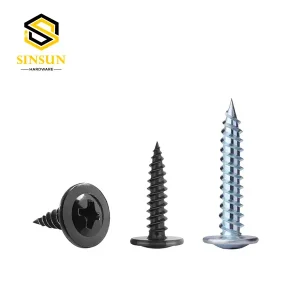
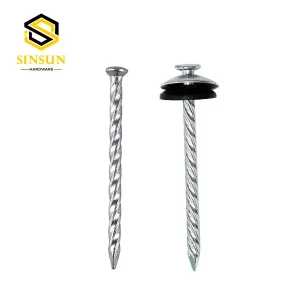
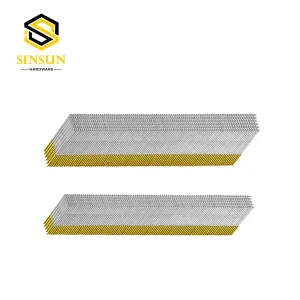
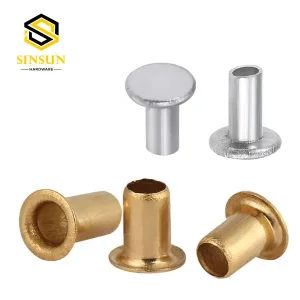
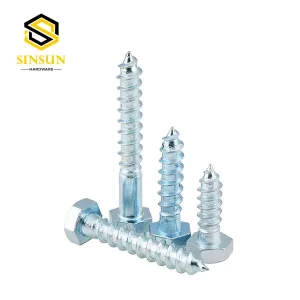
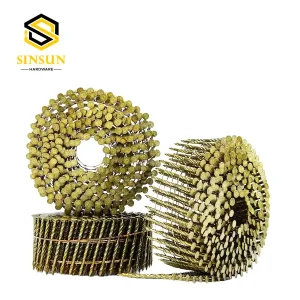
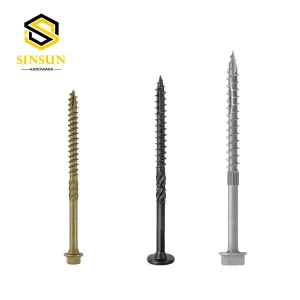
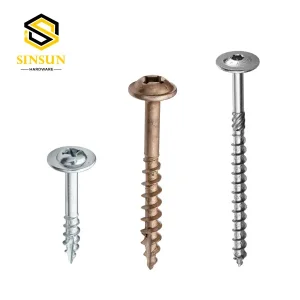
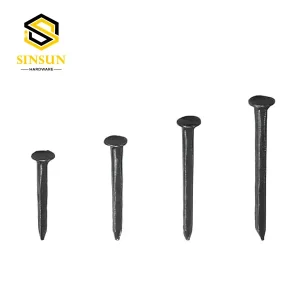
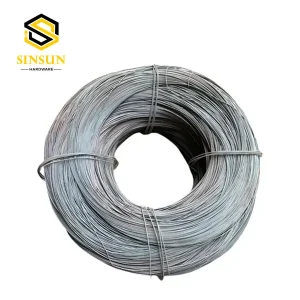
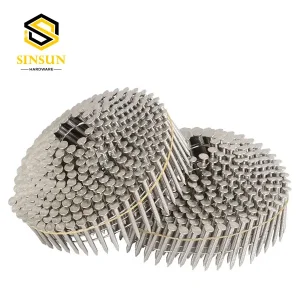
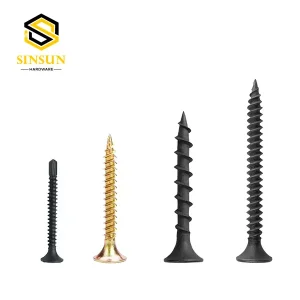
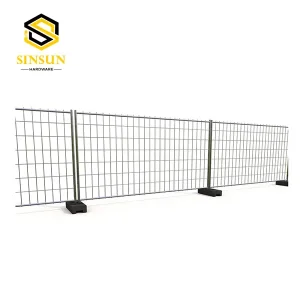
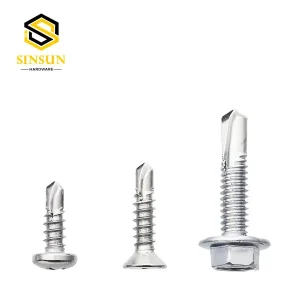
Explore our flagship heavy-duty wood screws, lag fasteners, twisted nails, and custom metal hardware solutions direct from Sinsun Hardware's state-of-the-art production base.
Sinsun Hardware, established in 2006, is a leading manufacturer and global supplier of high-quality fasteners. As Northern China's largest producer of Self-Tapping Screws, we operate from a gigantic 30,000 sqm integrated facility that includes modern production zones, a 12,000 sqm smart warehouse (18,000+ pallet capacity), and multi-language customer support centres. Our yearly supply of over 8,500 containers consistently services key global markets such as the Middle East, Southeast Asia, South America, and Russia.
Our production prowess is driven by German-imported machinery, precision Taiwanese technology, and a dependable staff of trained specialists. We offer over 20,000 SKUs of nails, screws, wires, and rivets, each undergoing 12+ stringent quality checks to assure outstanding polish (Ra ≤ 0.4μm), corrosion resistance (1,000+ hours salt spray), dimensional accuracy (±0.02mm), high strength (1,000+ MPa), and consistent hardness (HRC 28-32).
An in-depth look at load distribution, material chemistry, and anti-spin safety factors required for commercial bouldering and sport climbing infrastructure.
Artificial climbing structures (ACS) have transformed from fringe recreational spaces into highly engineered Olympic-tier sports arenas. This rapid institutionalization demands fasteners that meet stringent safety directives, such as the European Standard EN 12572, which governs structural integrity, loading tolerances, and multi-point anchoring security.
At the core of every modular wall panel is the T-nut (Tee Nut). T-nuts are the hidden receivers for the bolts holding climbing holds in place. Because route-setters use high-torque impact drivers to frequently secure and change holds, these small fasteners face intense mechanical forces. Standard commercial t-nuts fail quickly under these conditions. Structural degradation, internal thread stripping, and rotational failures present significant safety risks and operational downtime for gym operators.
As an industry-leading OEM climbing wall T-nuts manufacturer, we specialize in high-tensile, anti-spin fastening components that withstand continuous impact-driver cycling and heavy dynamic shear loads.
Technical Insignia: Climbing wall T-nuts must sustain a minimum pull-out resistance of 15kN and a rotational torque resistance threshold of no less than 35Nm to prevent spin-outs behind closed wall panels.
Selecting the correct material composition determines the lifespan of a climbing wall grid. We manufacture climbing wall T-nuts using premium raw steel from XING TAI Steel, processed through our own spheroidizing annealing and wire-drawing facilities.
For indoor climbing gyms, we utilize high-carbon steels such as C1022A, heat-treated to an optimal surface hardness of HRC 28-32 and core tensile strengths reaching 1,000+ MPa. This prevents thread stripping during high-torque hold installations. To combat humidity from gym chalk and athlete perspiration, these carbon steel T-nuts undergo trivalent zinc plating (Cr3+) or yellow zinc passivation, passing 100+ hours of continuous salt-spray testing.
For outdoor climbing walls, waterparks, and deep water solo (DWS) structures, we manufacture premium 316-grade (A4) Stainless Steel T-nuts. 316 stainless steel provides superior resistance to chloride-induced stress corrosion cracking and atmospheric weathering, ensuring decades of structural integrity in harsh environments.
Wall builders typically select between two distinct variations based on application demand:
| Fastener Metric | 4-Prong Carbon Steel T-Nut | Screw-On Flanged T-Nut | Stainless Steel 316 Flange T-Nut |
|---|---|---|---|
| Primary Application | Residential, light-duty woodies | Commercial gyms, high-frequency route-setting | Outdoor walls, marine/humid locations |
| Anti-Spin Security | Moderate (depends on wood density) | Excellent (locked via structural wood screws) | Excellent (locked via structural wood screws) |
| Thread Pitch Availability | M10 x 1.5 / 3/8"-16 UNC | M10 x 1.5 / 3/8"-16 UNC | M10 x 1.5 / 3/8"-16 UNC |
| Salt Spray Resistance | 48-120 Hours (Zinc Coated) | 100+ Hours (Cr3+ Plated) | 1000+ Hours (Grade A4 Stainless) |
| Pull-Out Strength | ≥ 12 kN | ≥ 18 kN | ≥ 20 kN |
By integrating modern German-imported multi-station cold heading machinery and precision Taiwanese manufacturing techniques, Sinsun Hardware produces highly precise and reliable fasteners. Our manufacturing process minimizes micro-fractures in the T-nut flange and ensures straight, burr-free threads with dimensional accuracy down to ±0.02mm.
Following cold-heading, our batch components pass through our 4 advanced heat-treatment lines (upgraded in 2025). This process refines the grain structure of the steel, balancing ductile toughness with wear-resistant hardness. Thread tolerances are strictly checked using digital optical sorting equipment, preventing cross-threading out of the box.
From high-volume commercial route-setting in metropolitan climbing gyms to industrial training facilities and outdoor military climbing towers, our T-nuts provide reliable anchor points. We understand that supply chain delays cost money. With our 12,000 sqm smart warehouse housing over 18,000 pallets, we can ship high-volume container orders or dispatch emergency custom batches to global construction sites quickly and reliably.
Sinsun Hardware combines material science and high-volume production efficiency to supply world-class climbing infrastructure.
Explore Sinsun Hardware's growth and expansion since 2006, from a local specialist to a global leader in high-performance fasteners.
Began operations with a singular focus on developing robust self-tapping screws and specialized structural fasteners, establishing our technical foundation.
Launched our dedicated international export department, supplying structural hardware to critical markets in the Americas, Europe, and Asia.
Added 4 spheroidizing furnaces and wire-drawing systems, controlling steel properties directly from raw wire-rod processing.
Upgraded our production with multi-station cold heading systems from Germany and precise forming technology from Taiwan.
Scaled our production capabilities, exporting 1,100+ containers globally to support large-scale infrastructure projects.
Built a centralized smart warehouse with an 18,000+ pallet capacity, streamlining global shipments and lead times.
Installed 4 automated inline heat treatment systems, ensuring consistent HRC values and tensile strength across all fastener classes.
From premium steel rod selection to final packaging, we implement rigorous quality checks at every step.
We source steel from XING TAI Steel and process it in-house with spheroidizing annealing to ensure a consistent, uniform grain structure before cold heading.
Our multi-station machinery produces sharp, concentric threads with tolerances of ±0.02mm, ensuring easy, hand-threaded starts and preventing cross-threading.
Our 4 new heat-treatment lines systematically control processing times and temperatures, ensuring consistent core strength and preventing brittleness.
Critical answers for gym owners, route-setters, structural engineers, and global procurement departments.
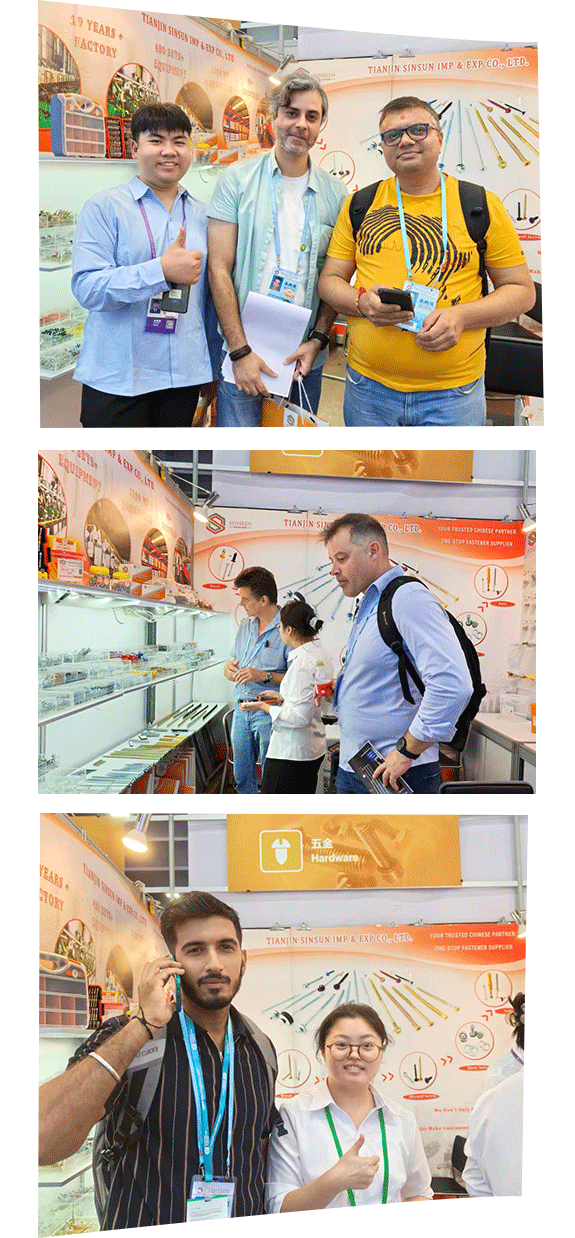
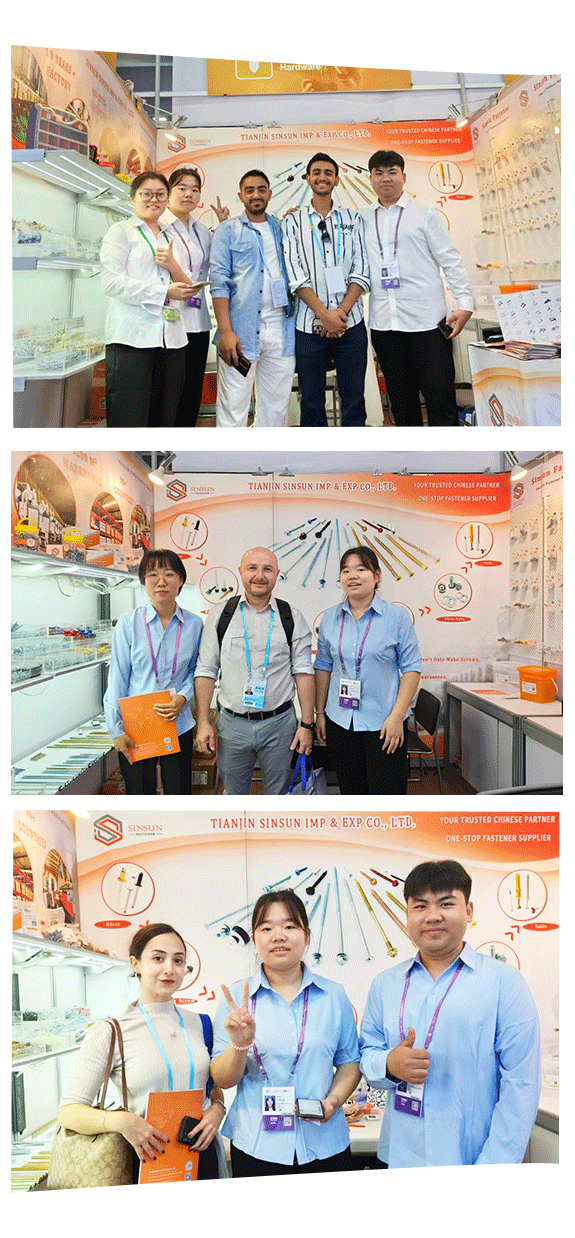
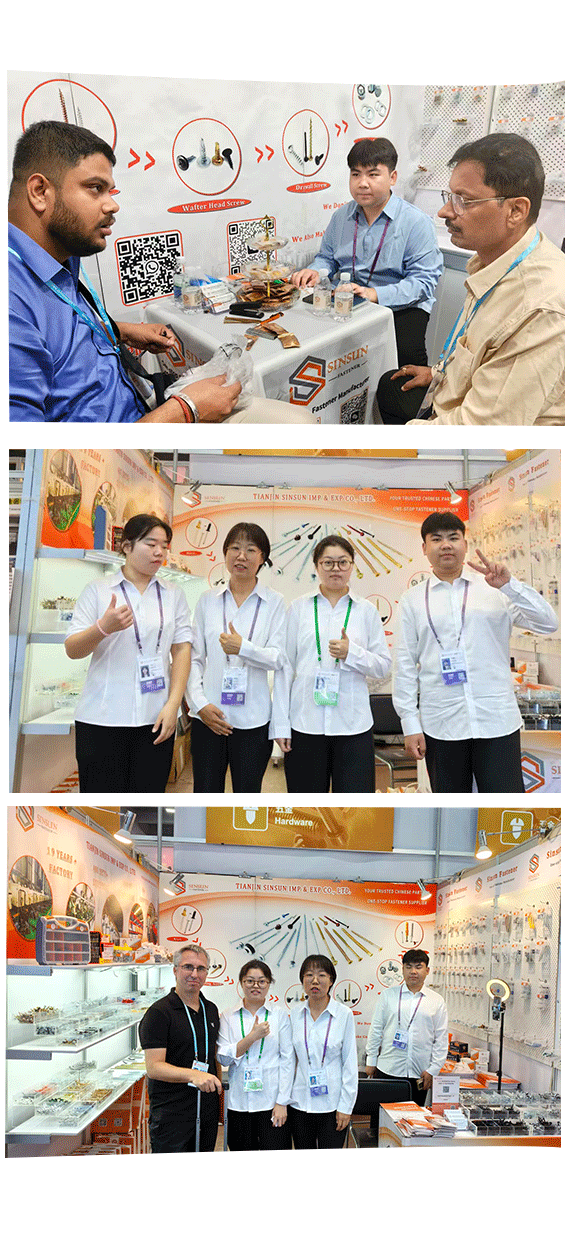
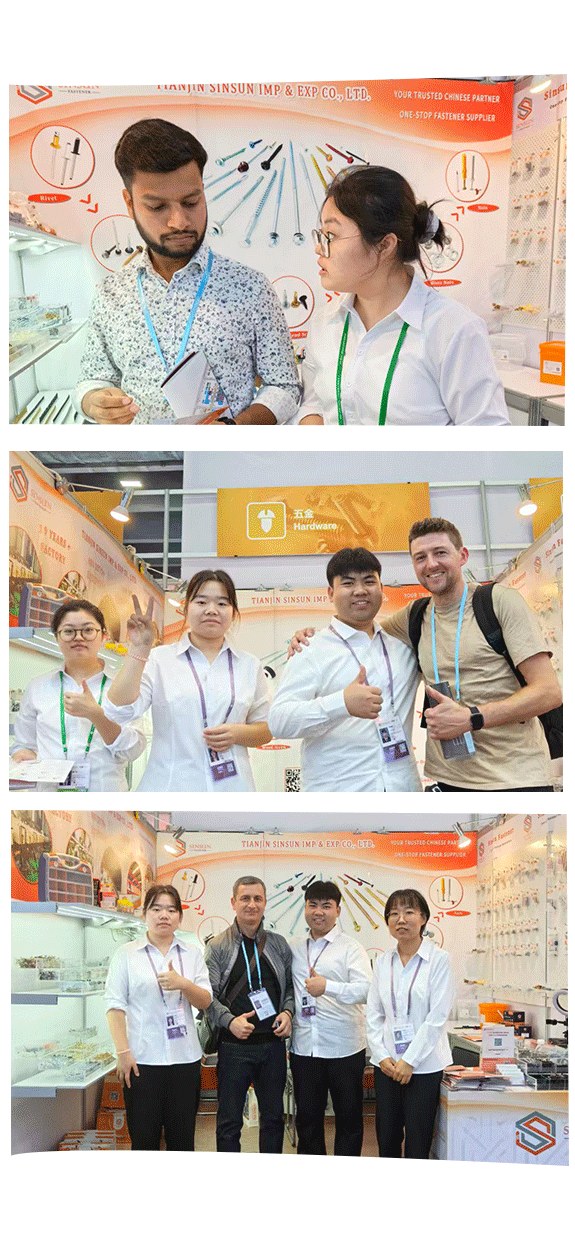
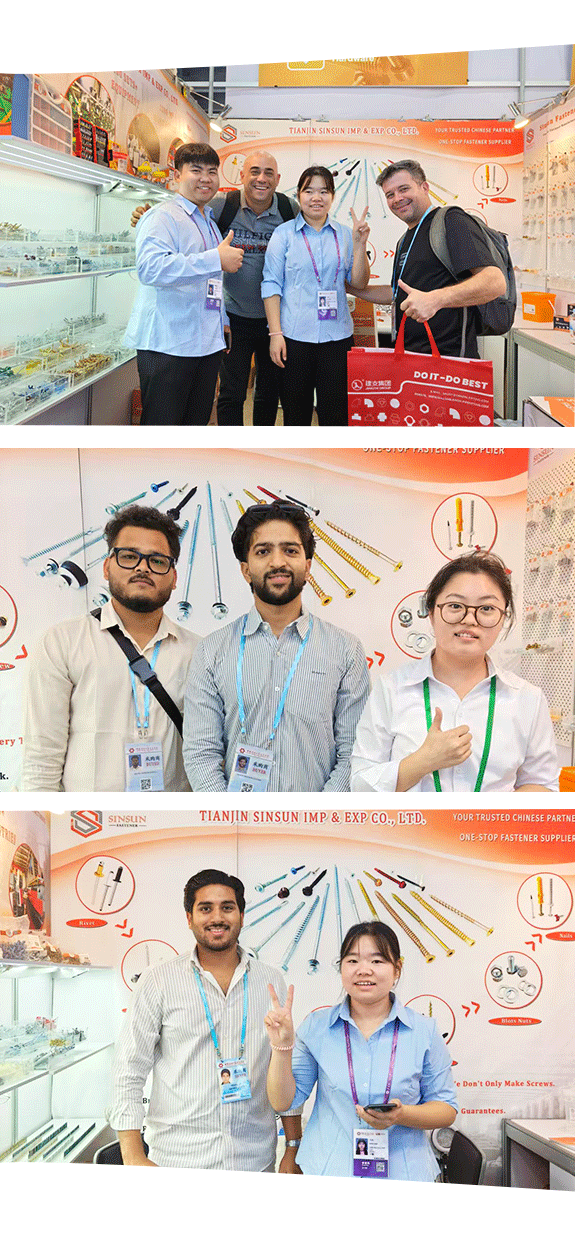
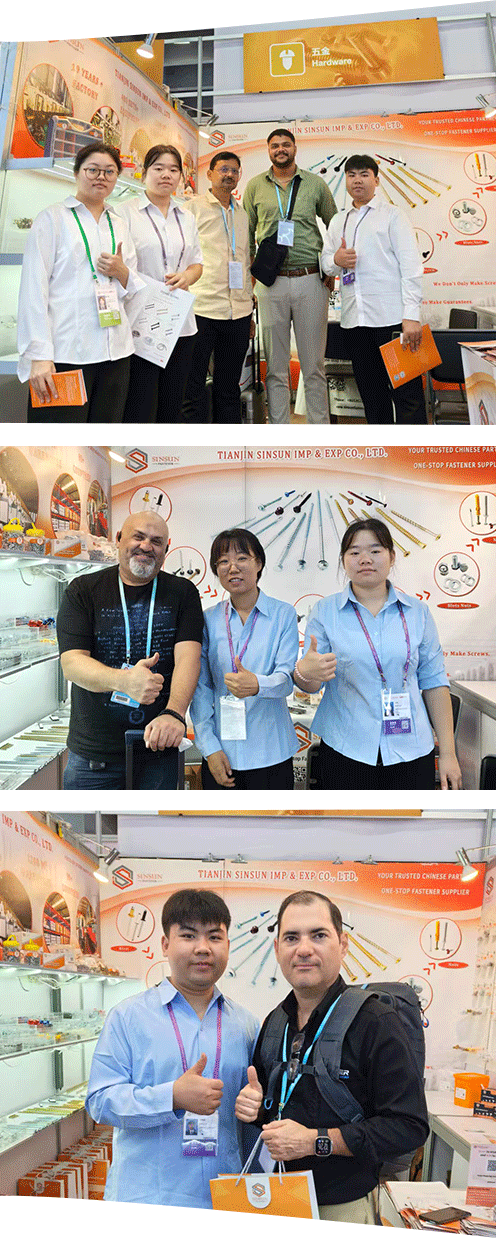
We welcome clients for on-site factory visits to demonstrate our production capacity and transparency. As a global fastener supplier, we participate in international trade exhibitions to showcase our hardware innovations.
Partner with Northern China's leading fastener manufacturer. Fill out the form below to receive material samples and wholesale pricing.
Premium structural lag screws, drywall anchors, binding wires, and self-drilling fasteners engineered for professional construction and industrial applications.