1 / 1
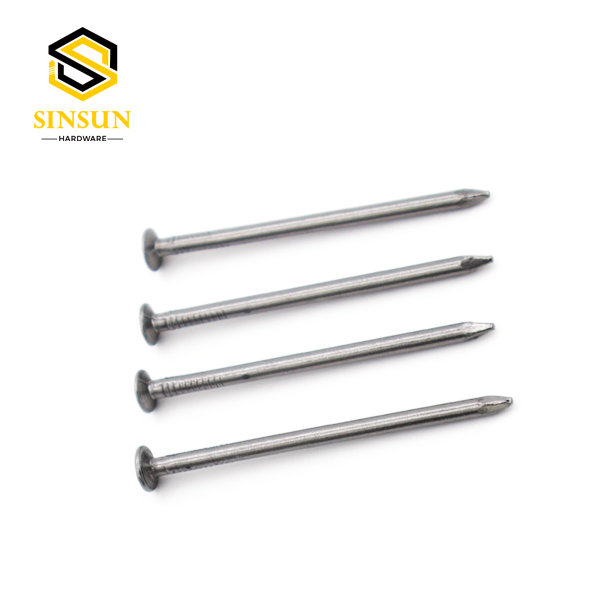
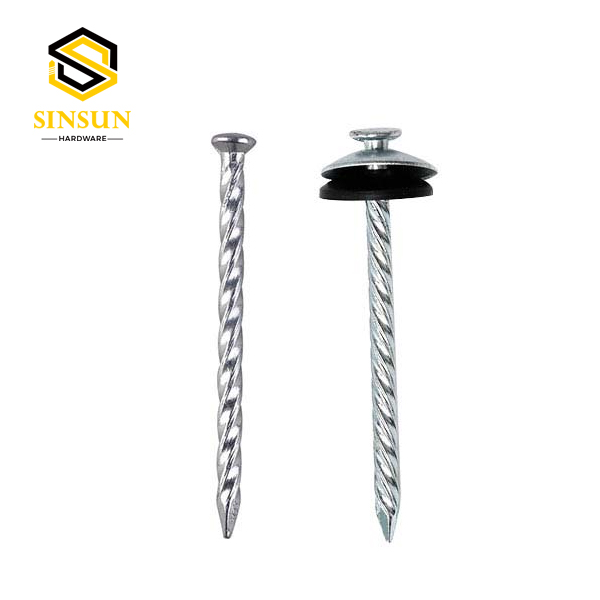
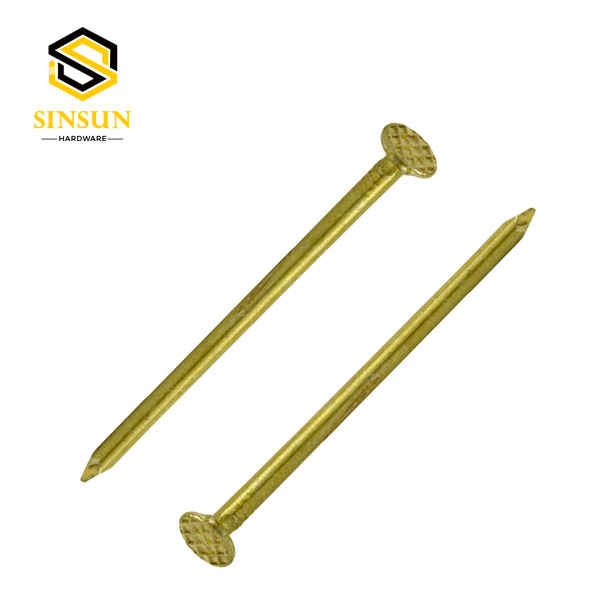
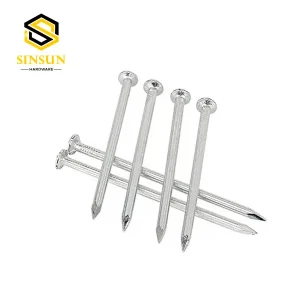
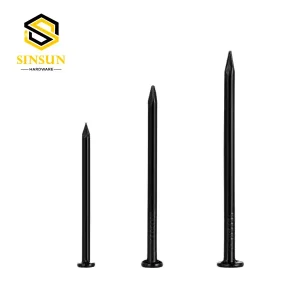
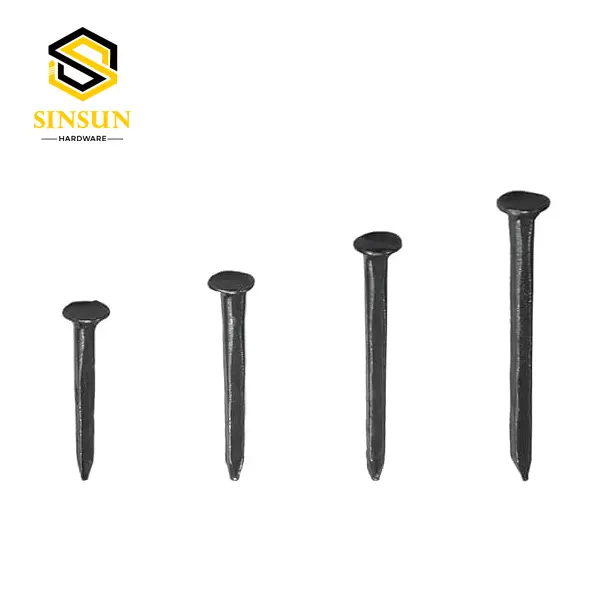
Common wire nails are widely used for general construction, framing, and rough carpentry work. They feature a thick shank, a wide head, and a diamond-shaped point, providing strong holding power for structural wood joints.
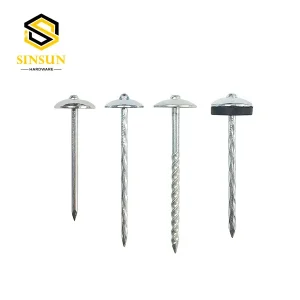
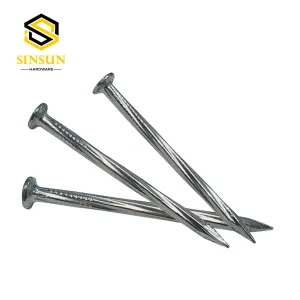
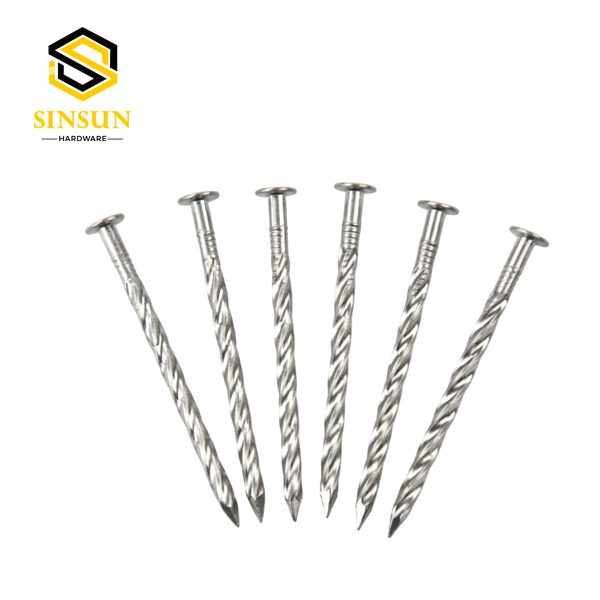
Twisted nails, or spiral shank nails, offer superior holding power in hardwoods and dense materials. As they are driven, they rotate to thread into the wood, which greatly reduces the risk of the wood splitting and prevents the nails from backing out over time.
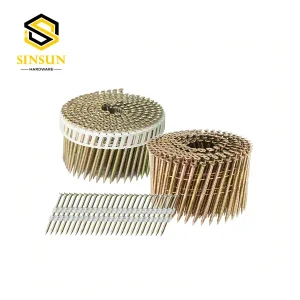
Sinker nails are slightly thinner than common nails and feature a checker-patterned, countersunk head. They are usually coated with a special epoxy or vinyl adhesive, which melts from friction when driven to make insertion smoother and lock the nail firmly in place flush with the surface.
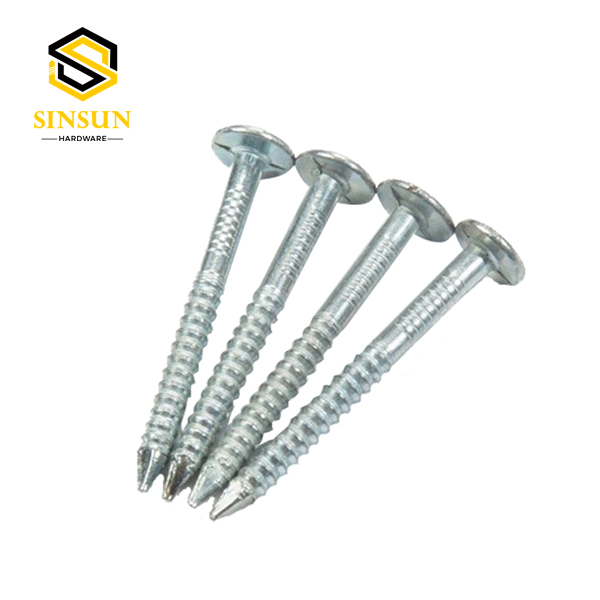
Ring shank nails feature concentric rings along the shank that lock securely into the wood fibers. This design provides exceptional withdrawal resistance, making them ideal for applications subject to stress and vibration, such as subflooring, siding, and roof decking.
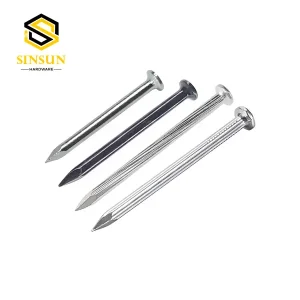
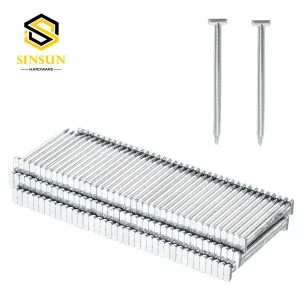
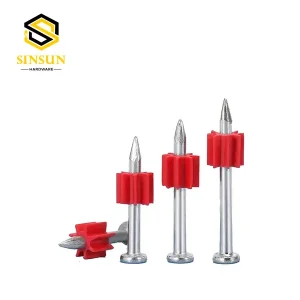
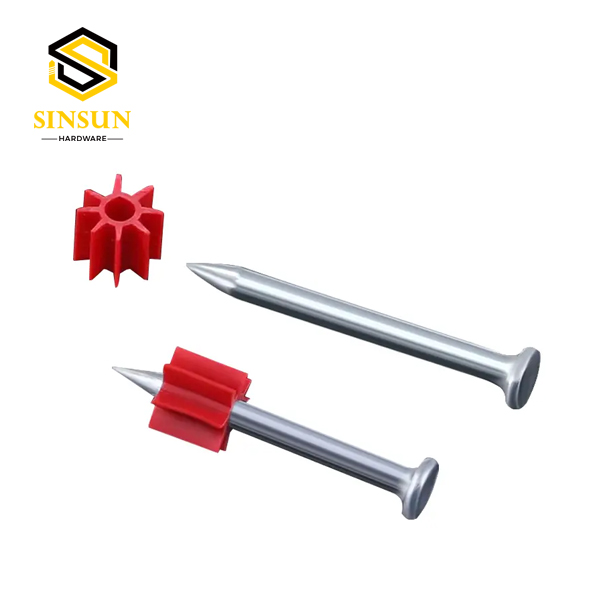
Shooting nails are heavy-duty fasteners designed to be installed using powder-actuated or pneumatic tools. They are specifically engineered to fasten wooden framing, steel tracks, or metal fixtures directly into hard substrates like concrete, masonry, or structural steel.
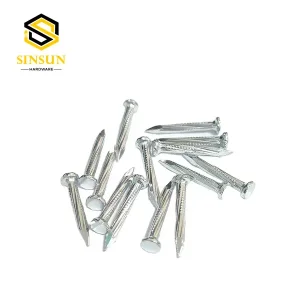
Screw nails combine the ease of driving a nail with the excellent gripping power of a screw. They are widely utilized in heavy-duty packaging, pallets, and wooden crates where high joint strength and resistance to shear forces are critical.