1 / 1
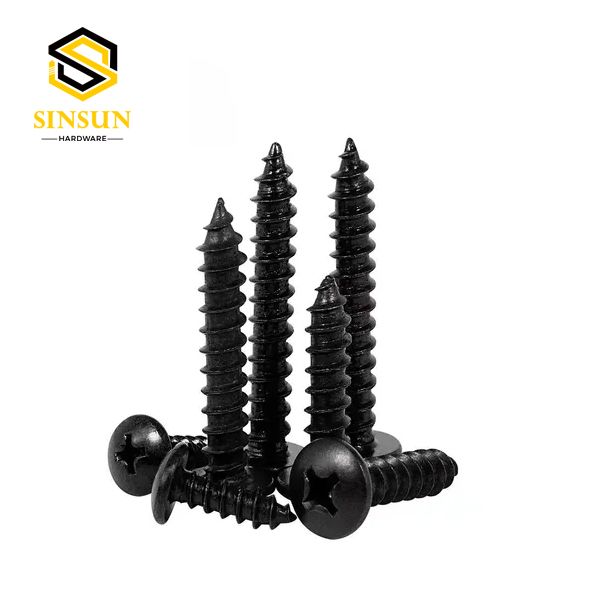
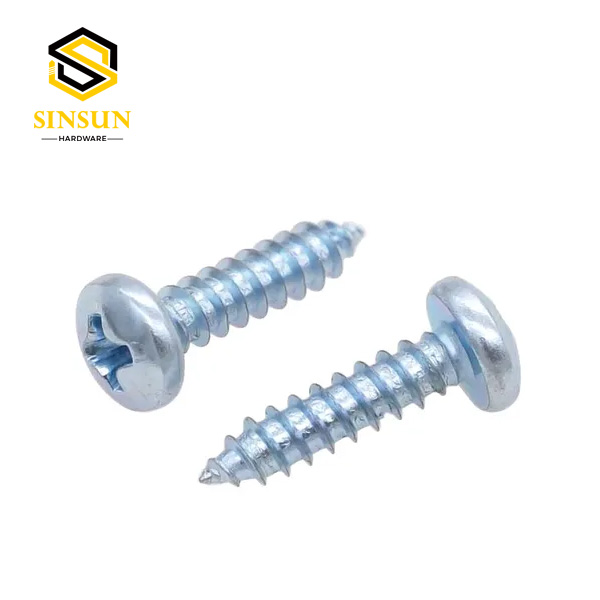
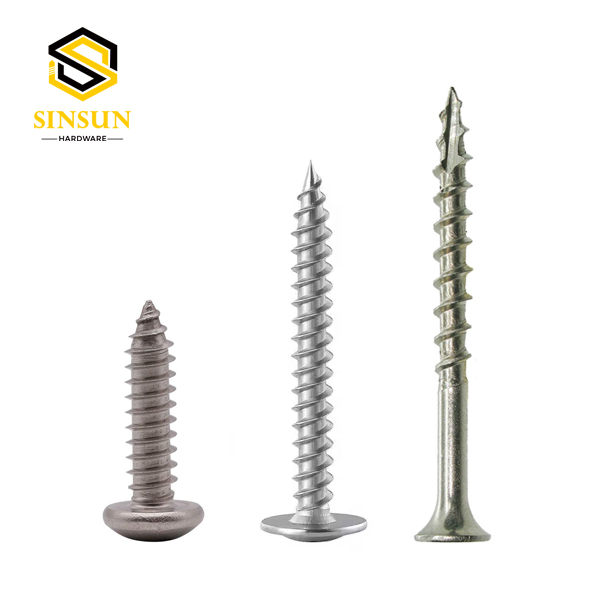
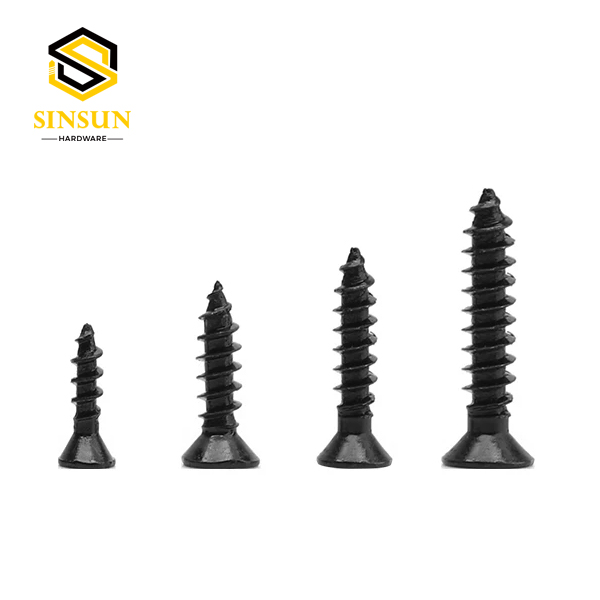
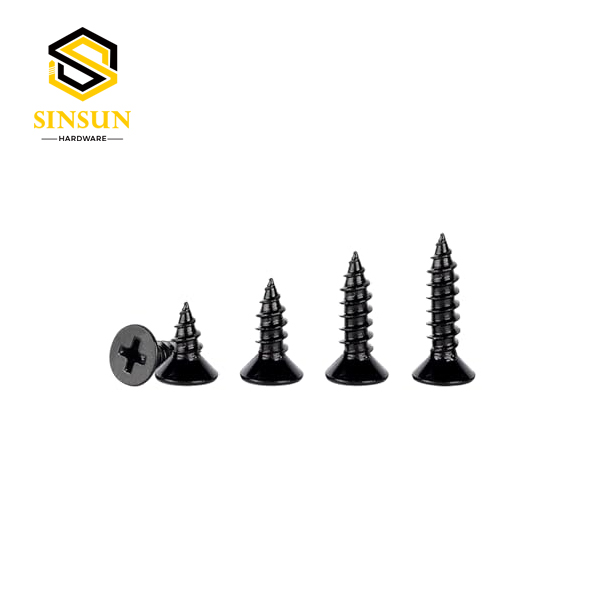
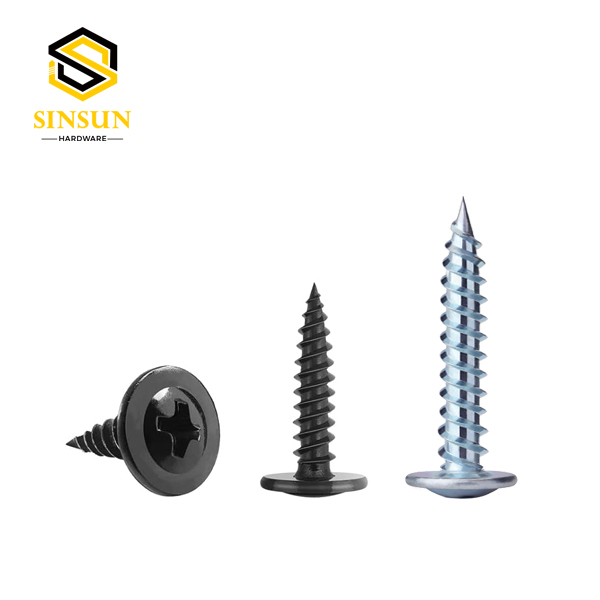
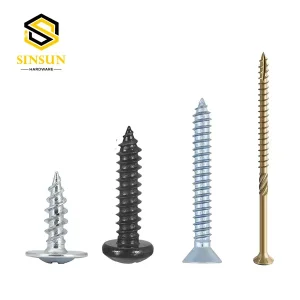
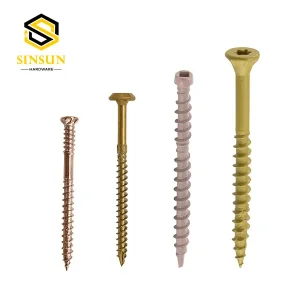
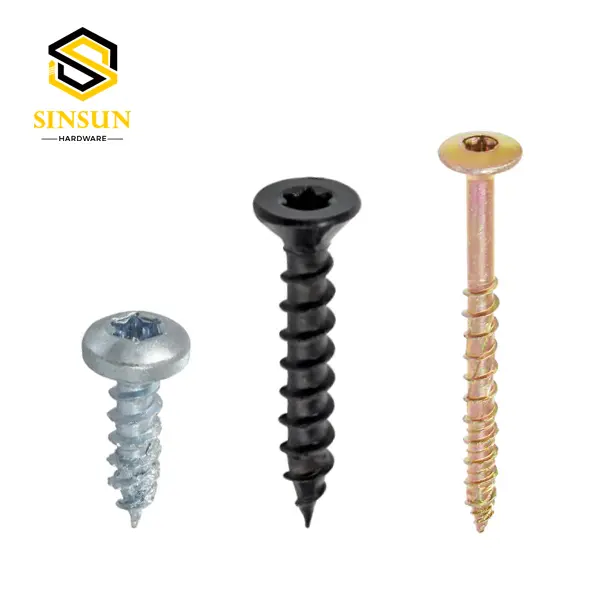
Wood screws come in various head shapes: Flat heads sit flush with the wood surface, Round heads protrude and provide a decorative finish, Pan heads have a low profile with a flat top, and Truss heads offer a wider surface area for extra holding power.
Stainless steel wood screws offer exceptional resistance to rust and corrosion. They are the ideal choice for outdoor projects, coastal areas, and applications involving pressure-treated timber or moisture-heavy environments.
Yes, drilling pilot holes is highly recommended. It prevents the wood from splitting, ensures the screw drives in straight, and reduces the torque needed, which helps prevent the screw head from stripping or snapping.
Wood screws are specifically designed with coarser threads and an unthreaded shank below the head. This smooth section allows the top piece of wood to be pulled tightly against the bottom piece for a stronger, more secure joint.
Truss head wood screws feature an extra-wide head with a low profile. They are commonly used to secure thin materials, cabinet backs, or metal brackets to wood surfaces because the wide head prevents the screw from pulling through the material.
As a general rule, the screw should penetrate at least two-thirds of the thickness of the bottom receiving piece of wood. Ensure the screw is not so long that it protrudes through the opposite side of the target piece.