1 / 1
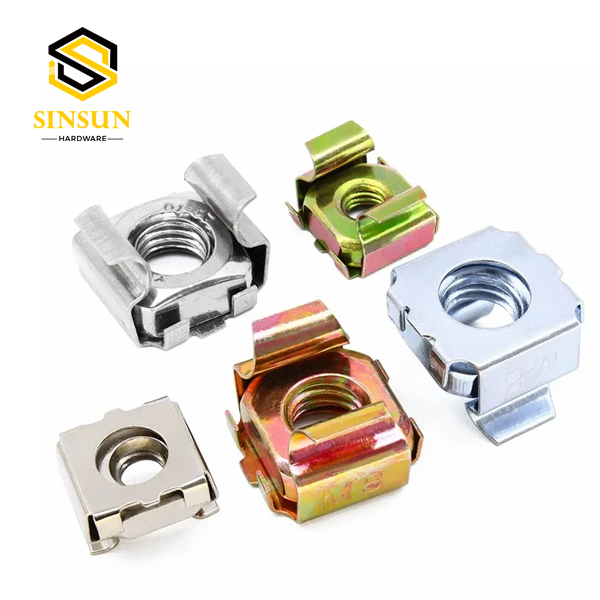
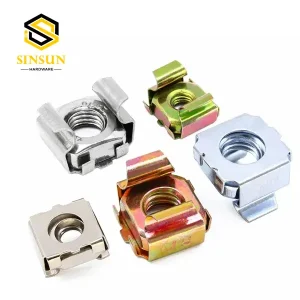
A cage nut consists of a spring steel cage which wraps around a nut. The cage has two ears that when compressed allow the nut to be inserted into the square holes of mounting rails, commonly used in equipment racks.
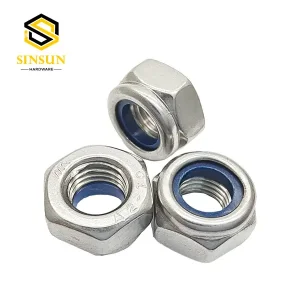
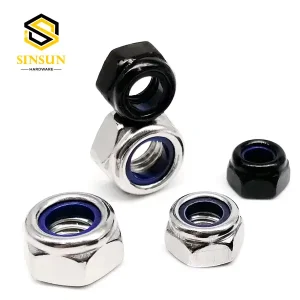
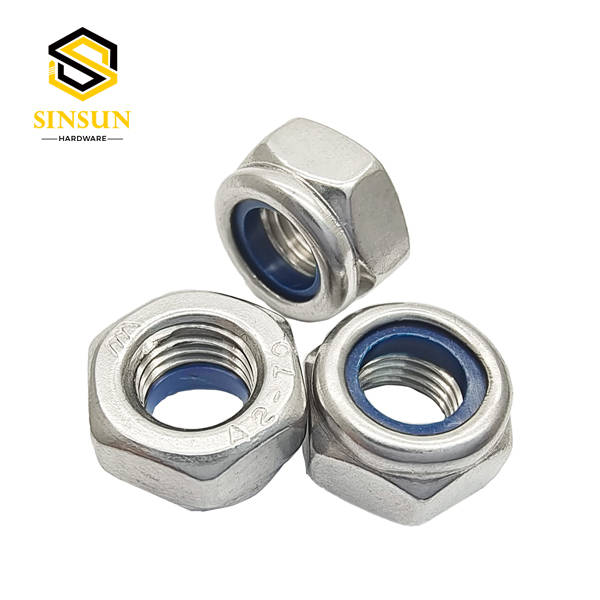
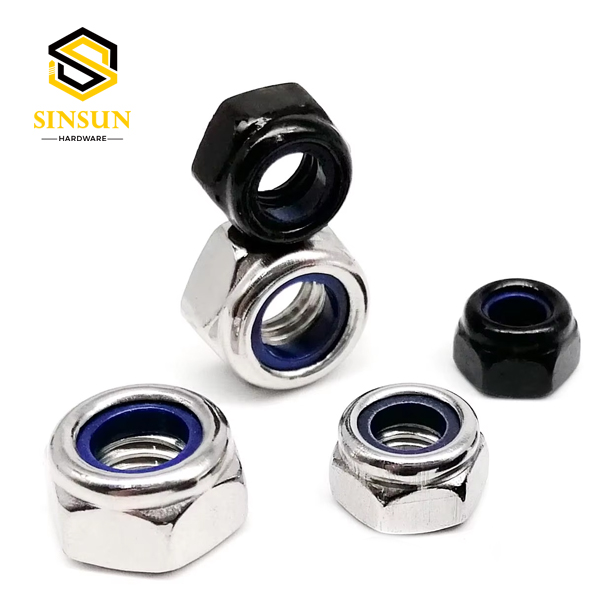
Lock nuts are engineered to resist loosening under vibrations and torque. They typically use a nylon insert, distorted threads, or a metal locking patch to increase friction between the nut and the mating bolt thread.
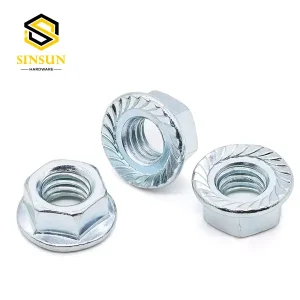
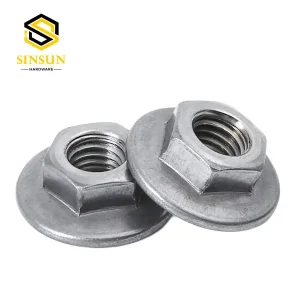
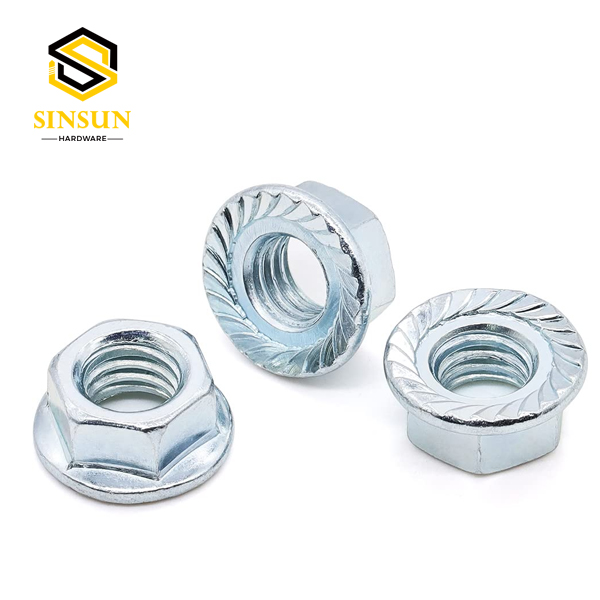
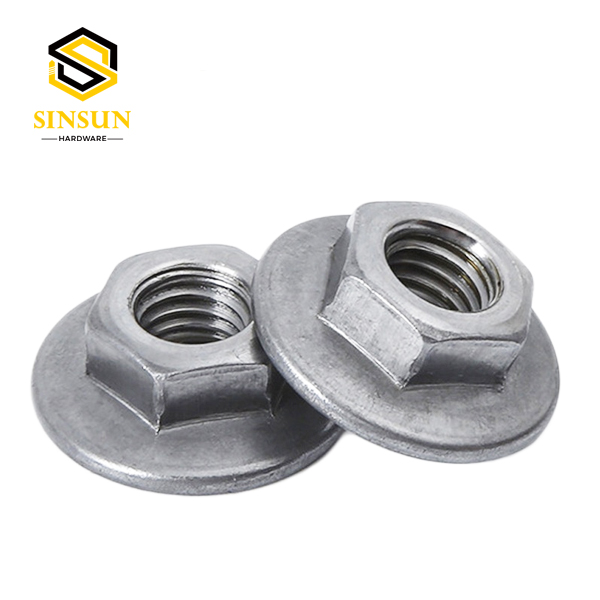
A flange nut features a wide integrated flange at one end that acts as a built-in, non-spinning washer. This helps distribute the clamping pressure of the nut over a wider surface area and protects the fastening surface from damage.
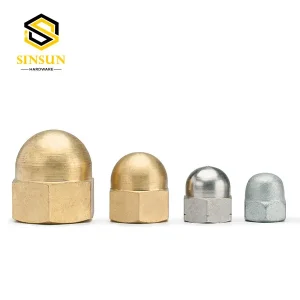
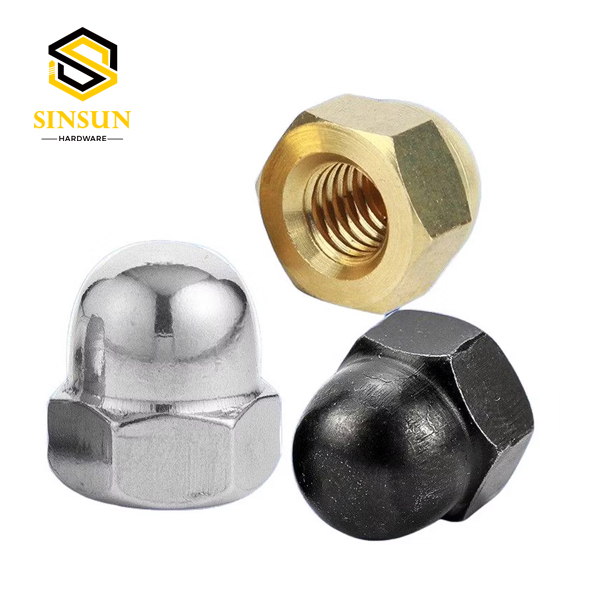
Crown cap nuts (or dome nuts) are used when exposed thread endings need to be covered. They provide an aesthetically clean finish and prevent accidental injuries caused by contact with sharp bolt threads.
Generally, it is recommended to replace nyloc nuts after each disassembly. The nylon insert deforms to create the locking friction, and subsequent uses yield significantly reduced holding performance.