1 / 1
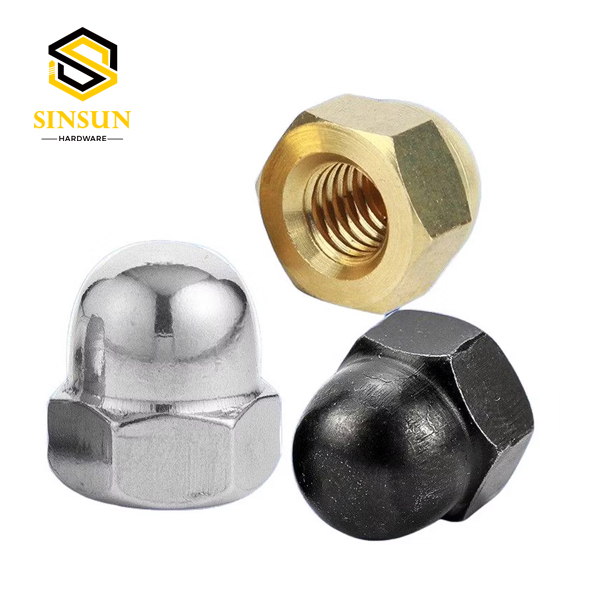
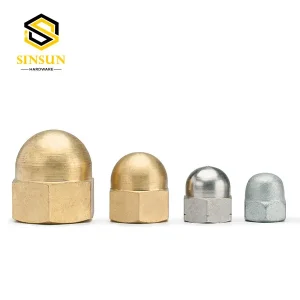
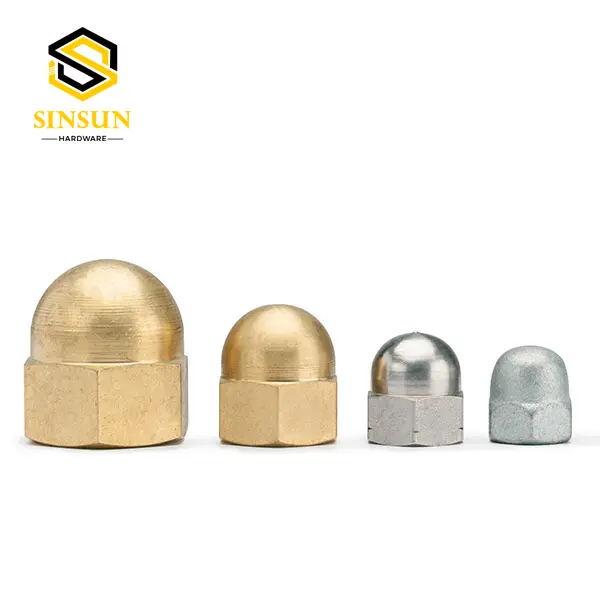
Crown cap nuts are mainly used to cover exposed threaded studs, screws, and bolts. This provides a clean, finished appearance and protects against potential injuries caused by sharp exposed thread edges.
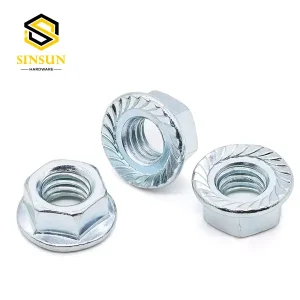
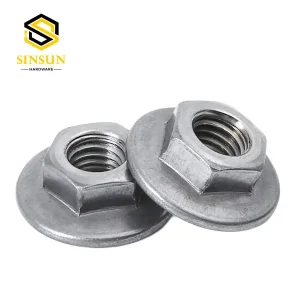
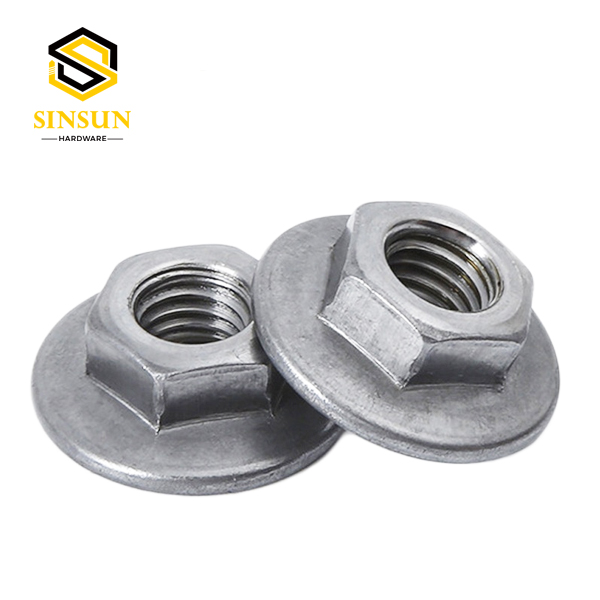
A washer nut (commonly known as a flange nut) features an integrated washer that helps distribute the clamping pressure over a larger surface area. This reduces the risk of damage to the mating surface and prevents loosening on uneven joints.
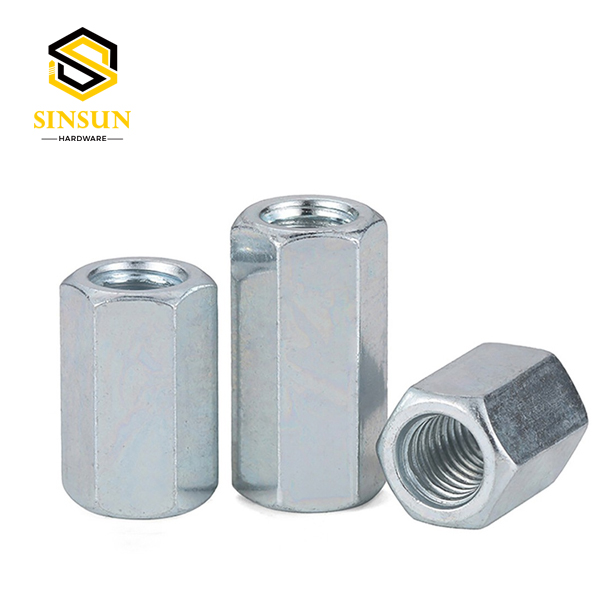
Coupling nuts are long, hex-shaped fasteners designed to join two male threads together, most commonly threaded rods. They are ideal for extending the overall length of a thread structure in construction or plumbing systems.
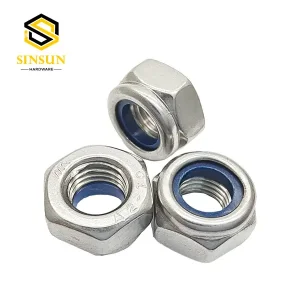
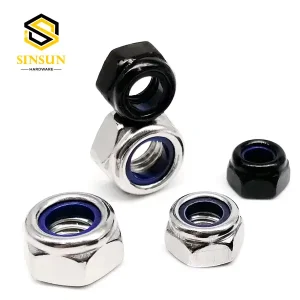
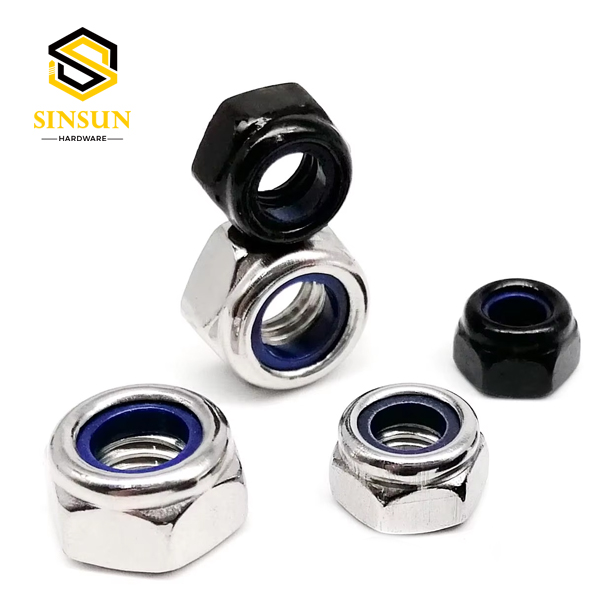
A nyloc nut contains a built-in nylon collar insert. When a bolt is threaded into the nut, the nylon insert grips the thread tightly, creating a friction-based lock that prevents the nut from backing off under high vibration environments.
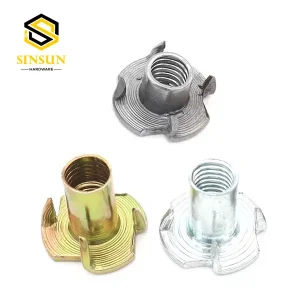
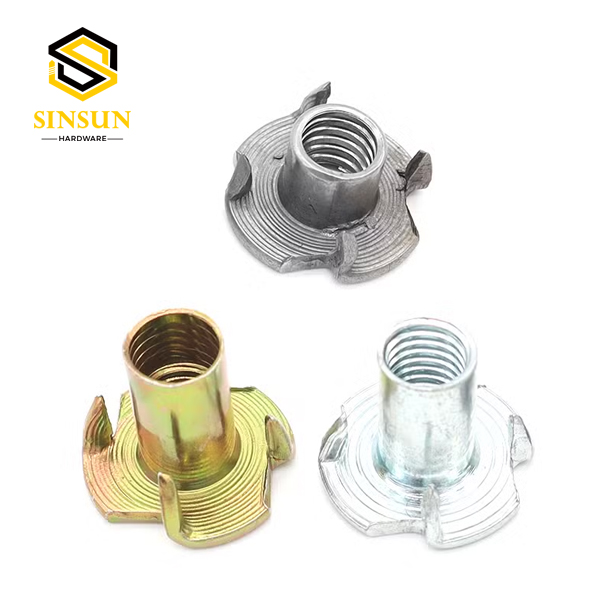
Tee nuts feature a long barrel with a flat, pronged flange at one end. When inserted into wood, the prongs anchor securely into the material, creating a strong, flush-fitting threaded metal receptacle for bolts.
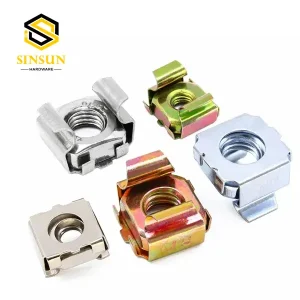
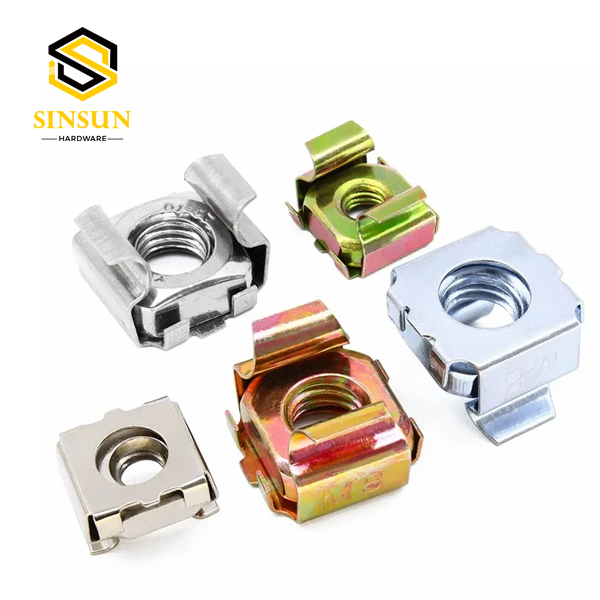
Cage nuts consist of a standard nut encased in a spring steel cage with flexible wings. The cage is clipped into square rack holes, allowing for a strong, replaceable, and easily adjustable mounting point for hardware shelves and equipment.