1 / 1
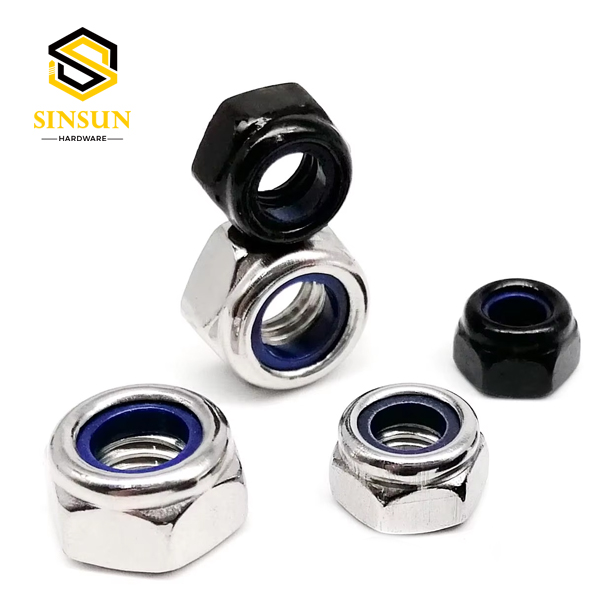
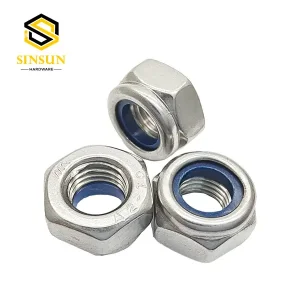
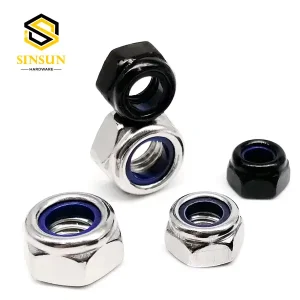
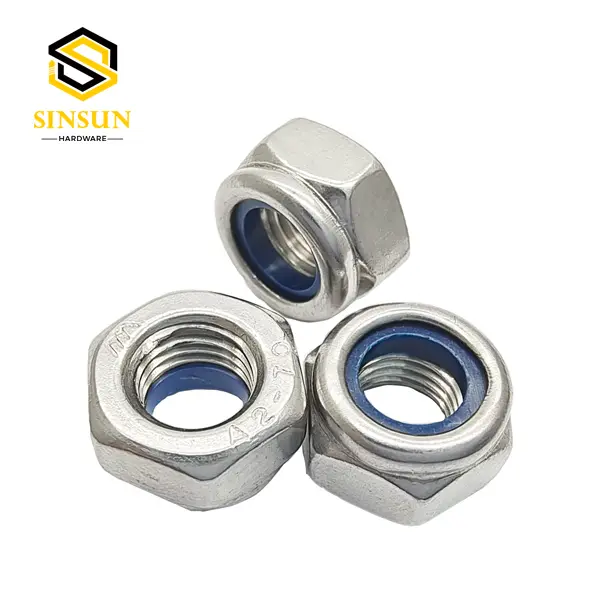
A Nyloc Nut (nylon-insert lock nut) is a torque-resistant lock nut. It features a nylon collar insert that resists turning. When the bolt reaches the insert, the friction locks the nut firmly in place, preventing loosening caused by vibration.
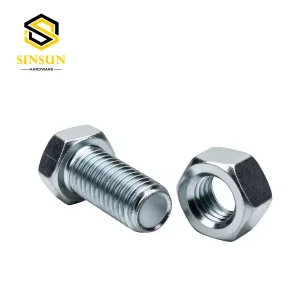
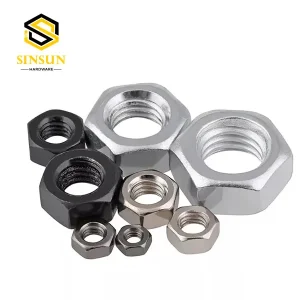
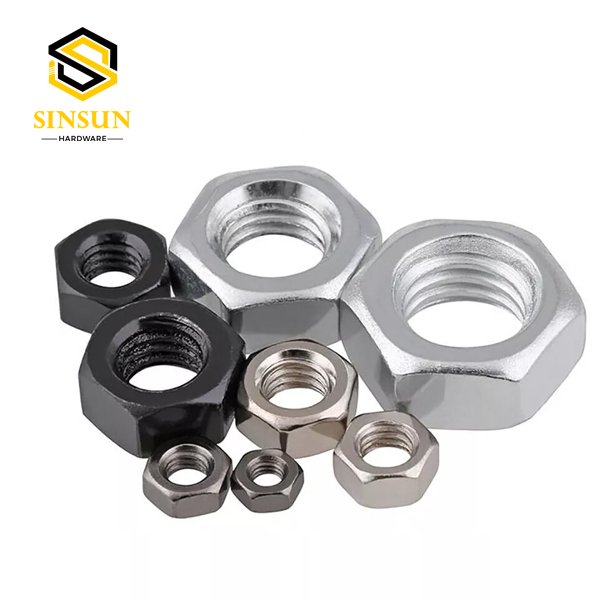
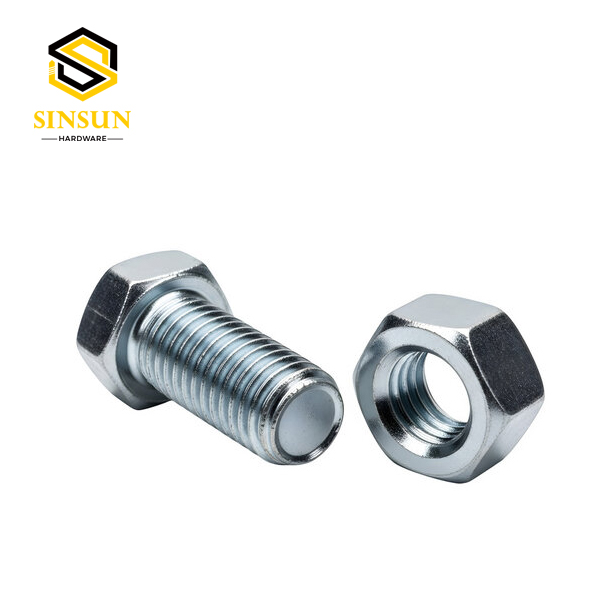
Hex Nuts are the most common six-sided fasteners, designed to be tightened or loosened using a wrench or socket. Their six-sided shape provides good granularity of angles for tools to access, making them ideal for high-stress mechanical and structural joints.
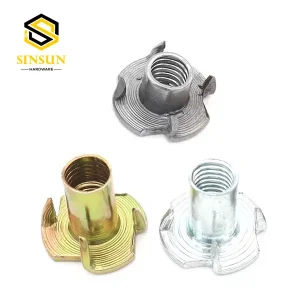
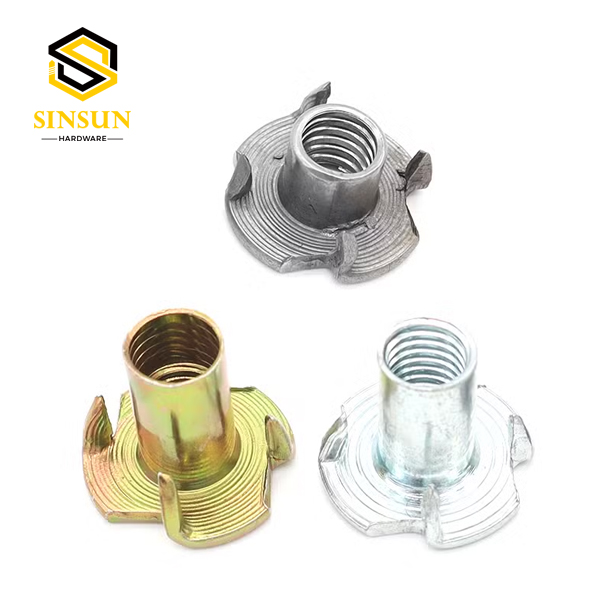
Tee Nuts are specifically designed to provide a secure threaded steel anchor inside wood, plastic, or composite surfaces. They feature prongs that grip into the material to prevent rotation when a bolt is being threaded from the opposite side.
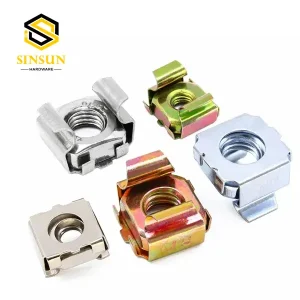
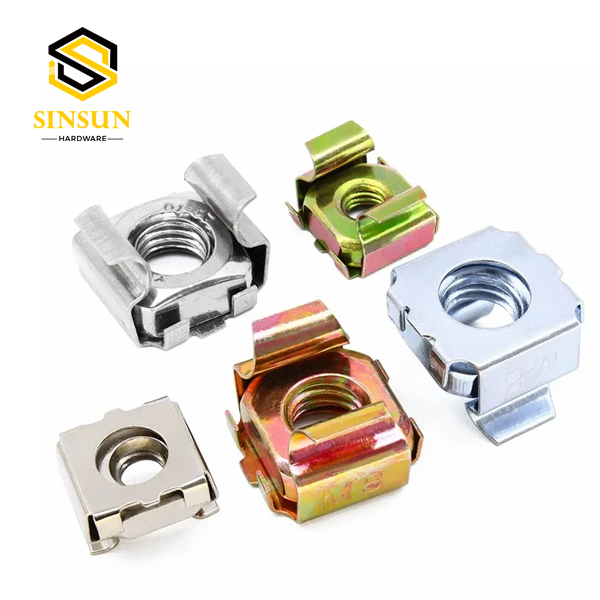
Cage Nuts consist of a square nut housed in a spring steel cage. The cage has wings that allow it to be snapped into the square holes of mounting rails (such as in server cabinets or telecom racks). This design makes replacement easy if threads get stripped.
Generally, it is recommended to replace a Nyloc Nut once it has been removed. Threading the nut onto a bolt deforms the nylon collar, and when reused, the locking effectiveness is significantly degraded, posing risks in high-vibration applications.
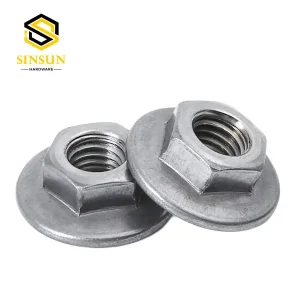
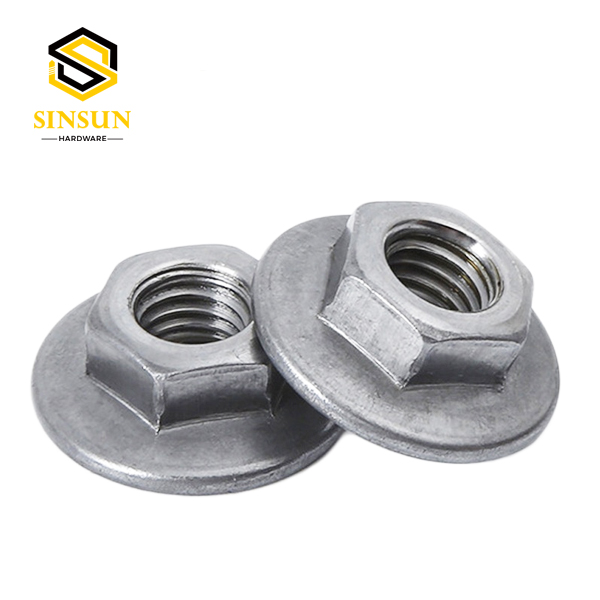
Using a washer distributes the clamping load of the nut over a larger surface area, protecting the fastened surface from friction damage. It can also help seal joints, prevent leaks, and resist loosening when lock washers are used.