1 / 1
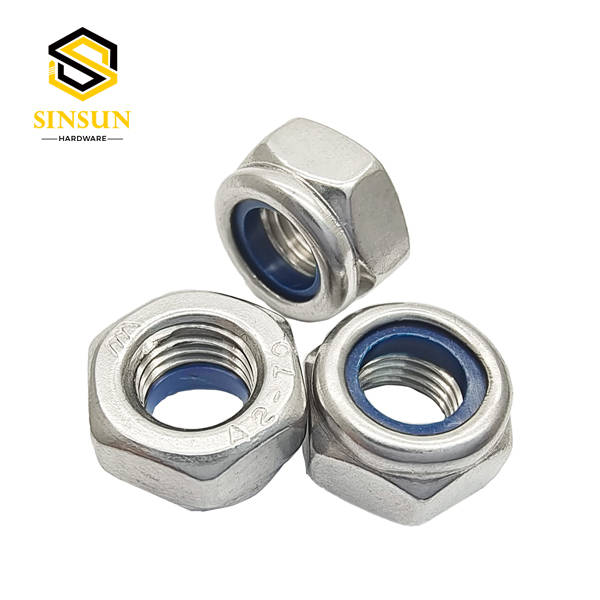
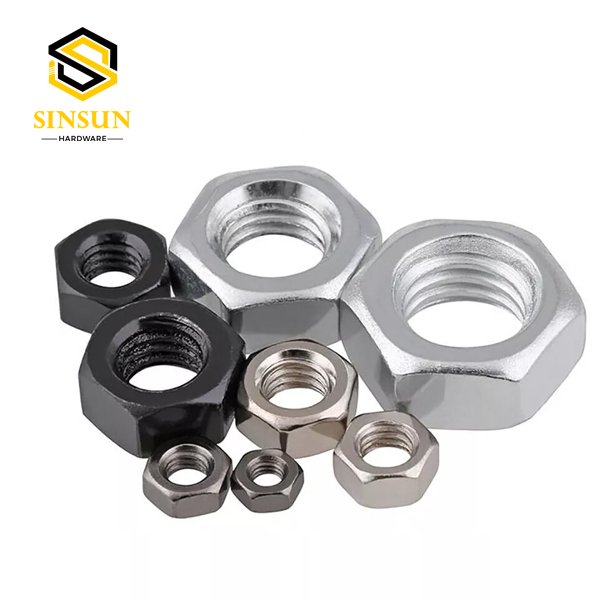
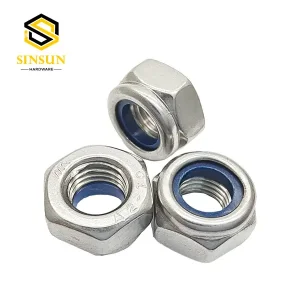
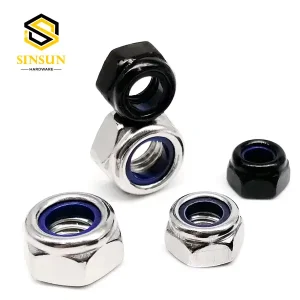
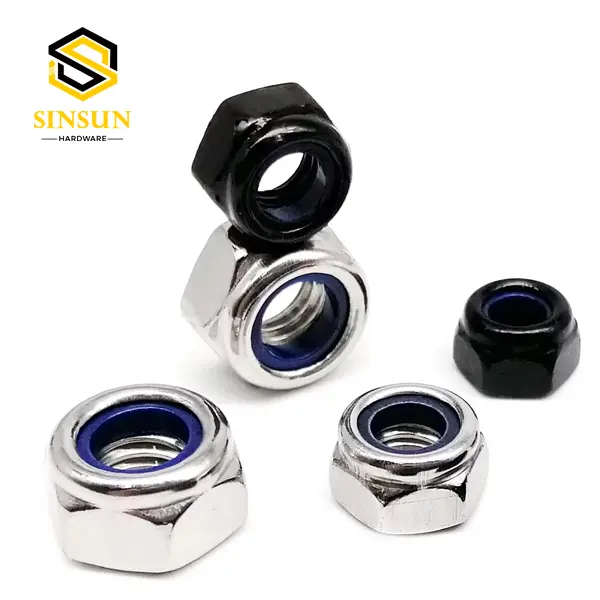
Lock nuts are designed to resist loosening when subjected to vibrations and torque. Unlike standard hex nuts, they feature mechanisms like nylon inserts or distorted threads to secure the joint firmly.
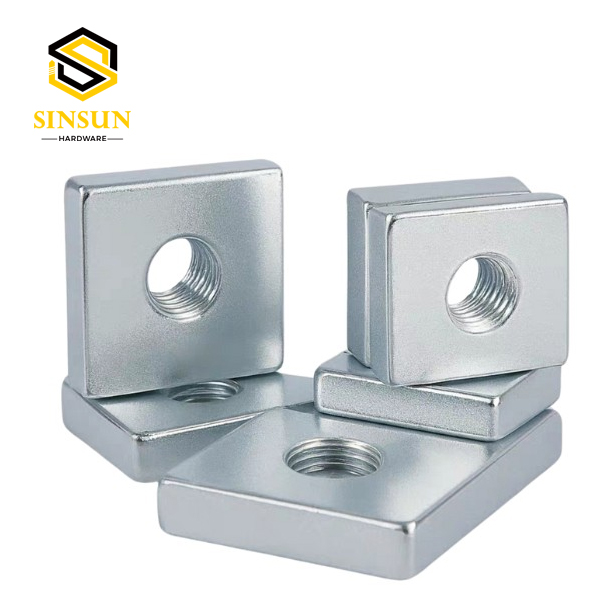
Square nuts provide a greater surface contact area, which helps prevent loosening in heavy-duty machinery. They are also ideal for use in tight channels or welded applications where wrench slippage must be minimized.
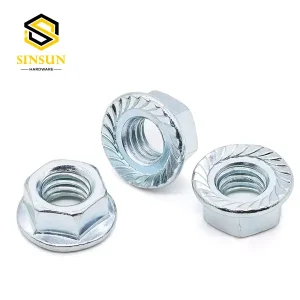
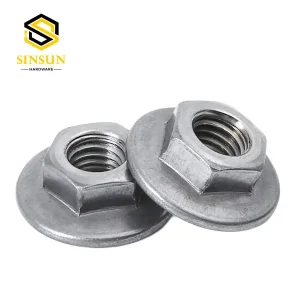
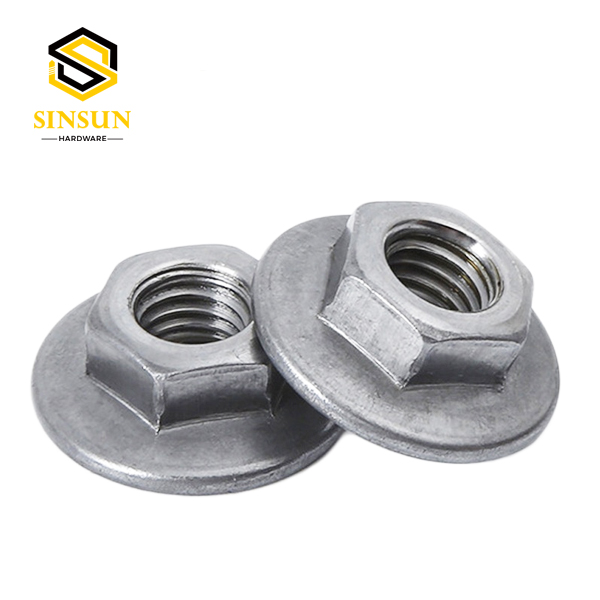
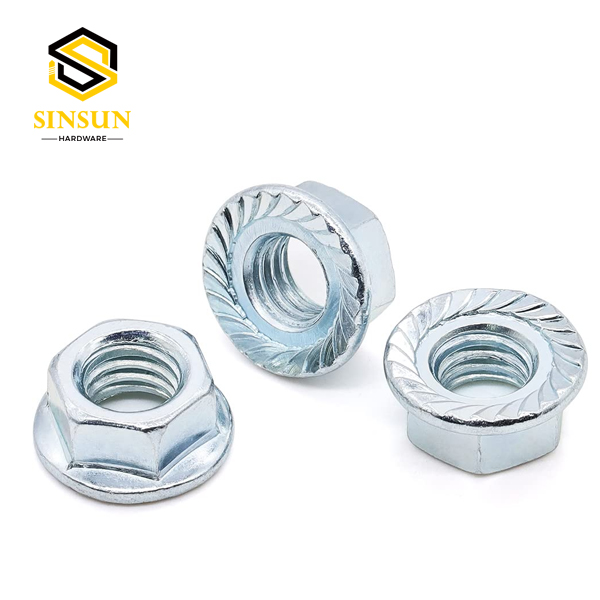
A flange nut features a wide, integrated washer at one end. This design distributes the pressure of the nut over the part being secured, reducing the chance of damage to the part and keeping it tight on uneven surfaces.
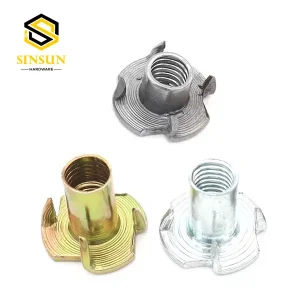
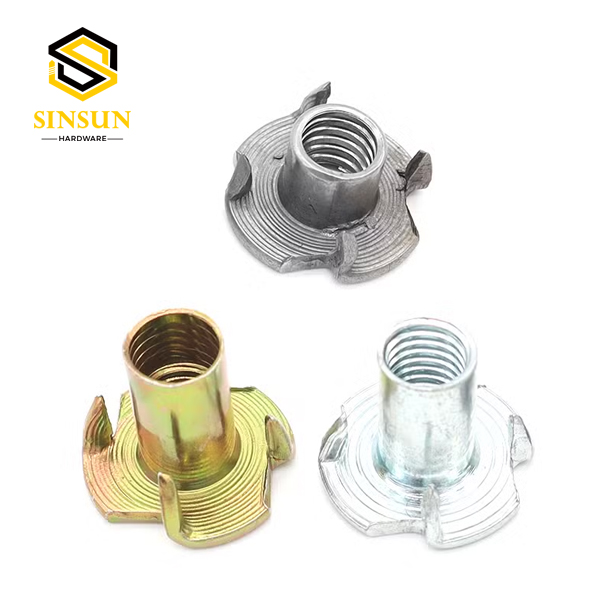
Tee nuts have a long, thin body with a flange at one end, resembling a "T". They are inserted into pre-drilled holes, and their prongs or hooks dig into the material, creating a strong, flush threaded steel insert for bolts.
A washer nut combines the locking strength of a nut with the load-distributing properties of a washer. It simplifies assembly by reducing the number of components needed, saving installation time and material costs.