1 / 1
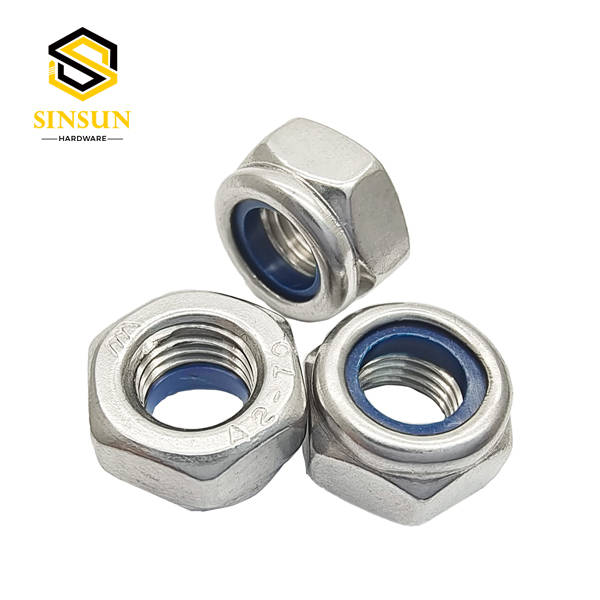
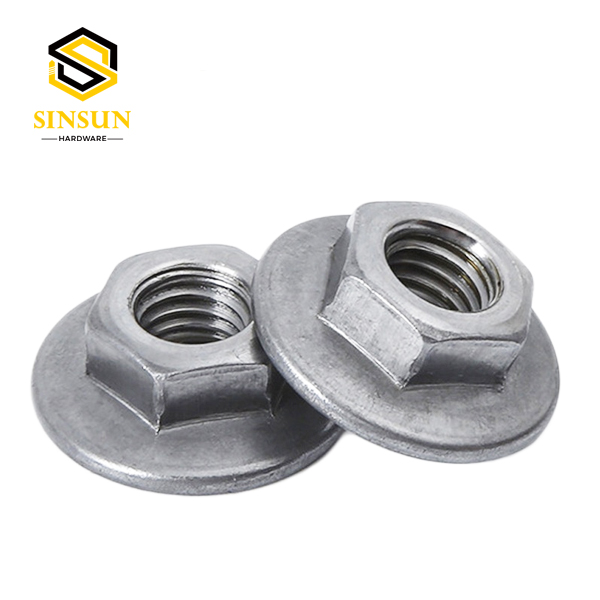
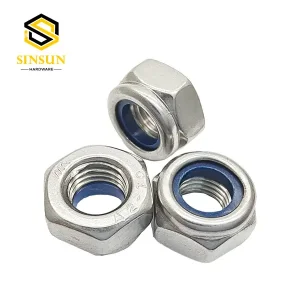
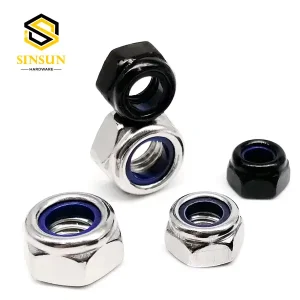
Lock nuts are specially designed to resist loosening under severe vibrations and torque. They feature locking mechanisms, such as nylon inserts or distorted threads, to ensure a secure and durable hold in dynamic machinery and automotive applications.
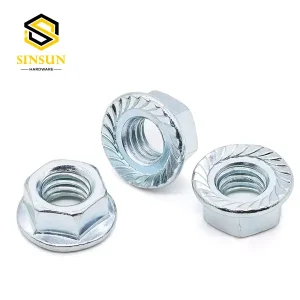
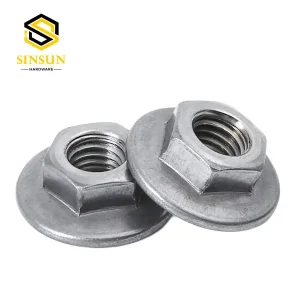
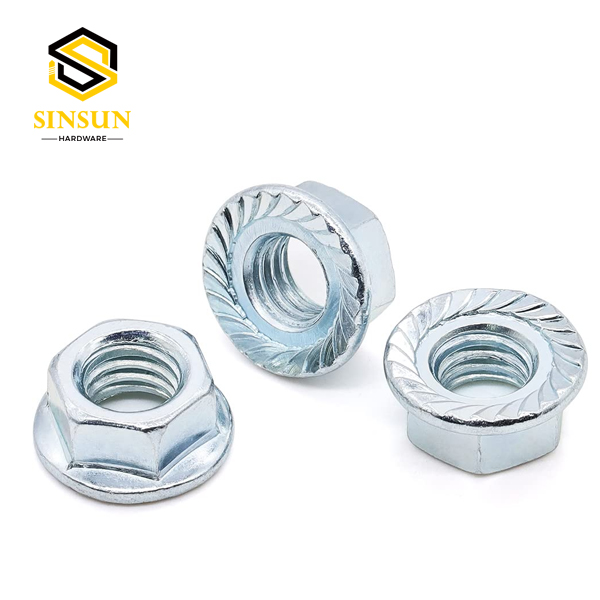
A flange nut features a wide, integrated circular flange at one end that acts as a built-in, non-spinning washer. This design helps distribute the clamping pressure of the nut over a larger surface area, preventing damage to the mating material and reducing the risk of loosening on uneven surfaces.
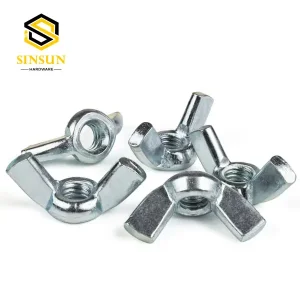
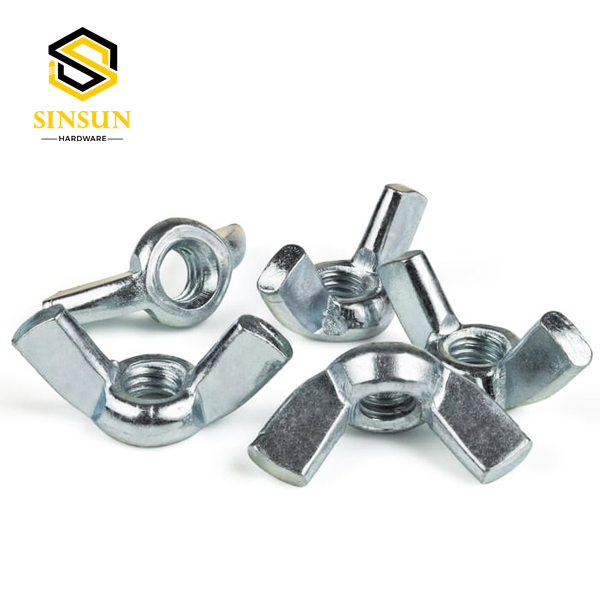
Wing nuts are designed with two large metal "wings" on opposite sides, allowing them to be easily tightened and loosened by hand without the need for tools. They are ideal for applications requiring frequent disassembly or adjustments.
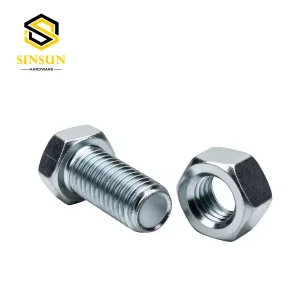
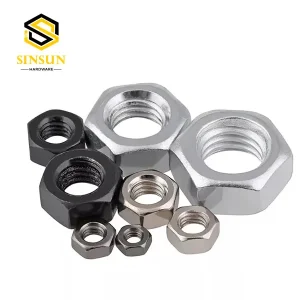
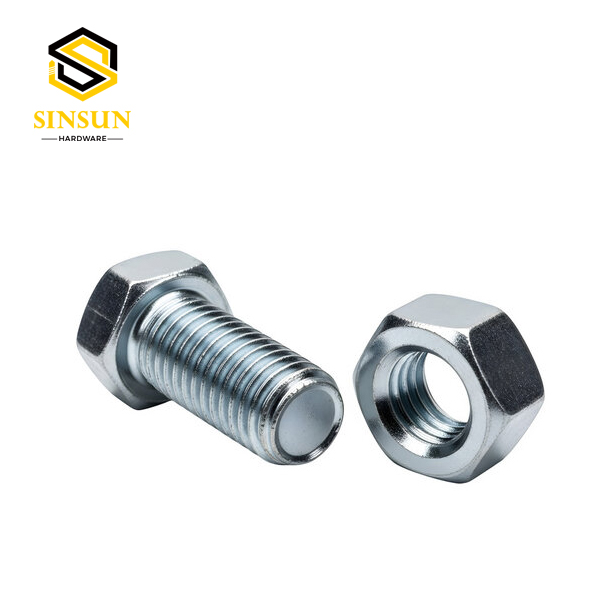
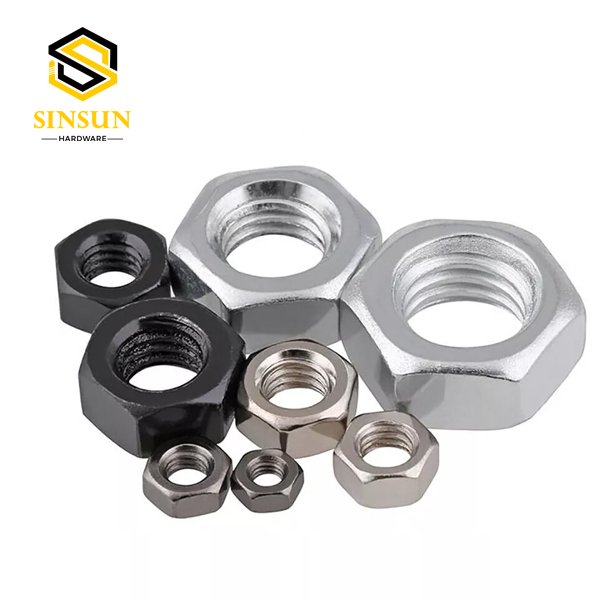
Yes, hex nuts are the industry standard for general-purpose and heavy-duty structural fastening. Their six-sided design provides excellent wrenching angles for easy installation and high torque application using standard tools.
While some metal lock nuts can be reused, nylon-insert lock nuts generally lose their locking efficiency after removal because the nylon thread is already cut. For critical applications, it is highly recommended to replace lock nuts with new ones to ensure maximum holding power.