Global Barbed Wire Fence Industry & Commercial Landscape
An authoritative analysis of structural perimeter security, metal selection, and mechanical properties driving modern infrastructure protection.
The Evolution of Perimeter Fencing in Industrial & Geopolitical Sectors
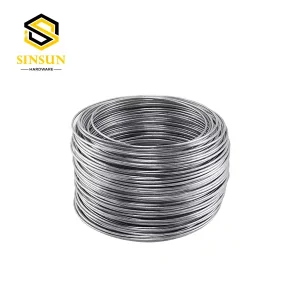
Modern security perimeters demand robust mechanical resilience to withstand both severe environments and deliberate structural tampering. Barbed wire, traditionally introduced as a livestock management device, has evolved into a vital asset for global borders, transport lines, and high-risk industrial plants. As global infrastructure investments increase, the reliance on high-durability double-strand and high-tensile single-strand barbed wire systems has grown exponentially.
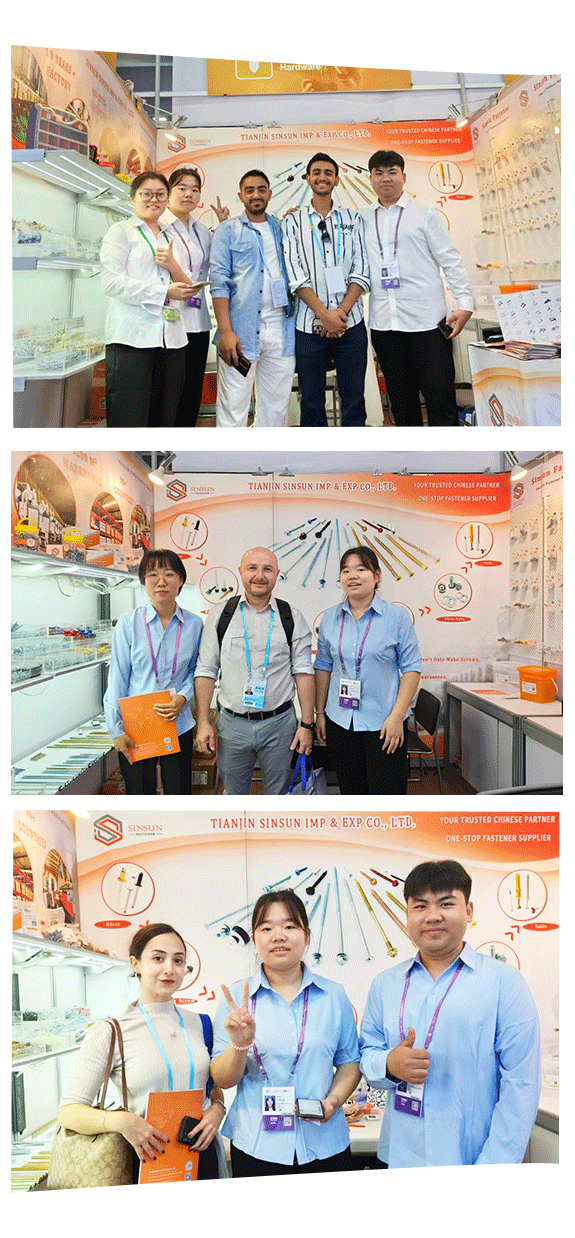
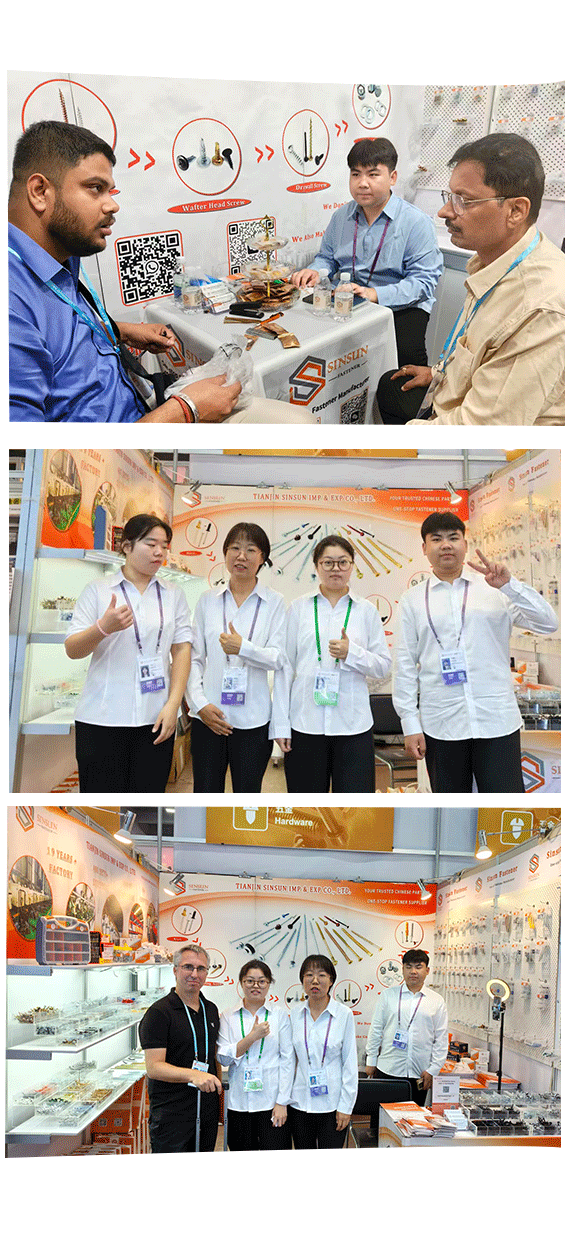
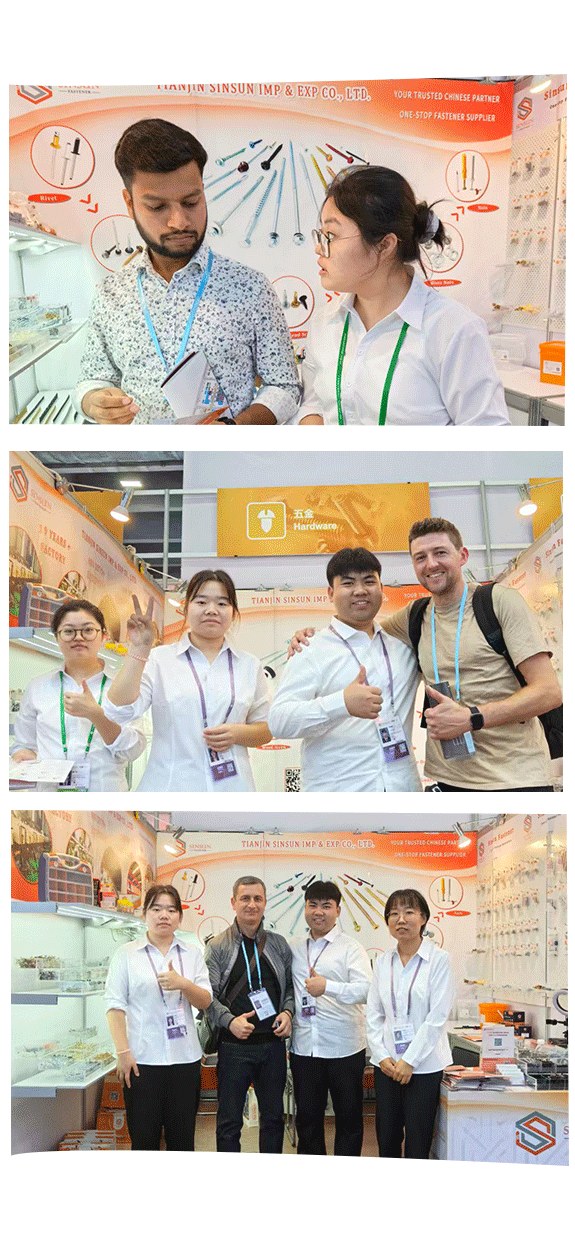
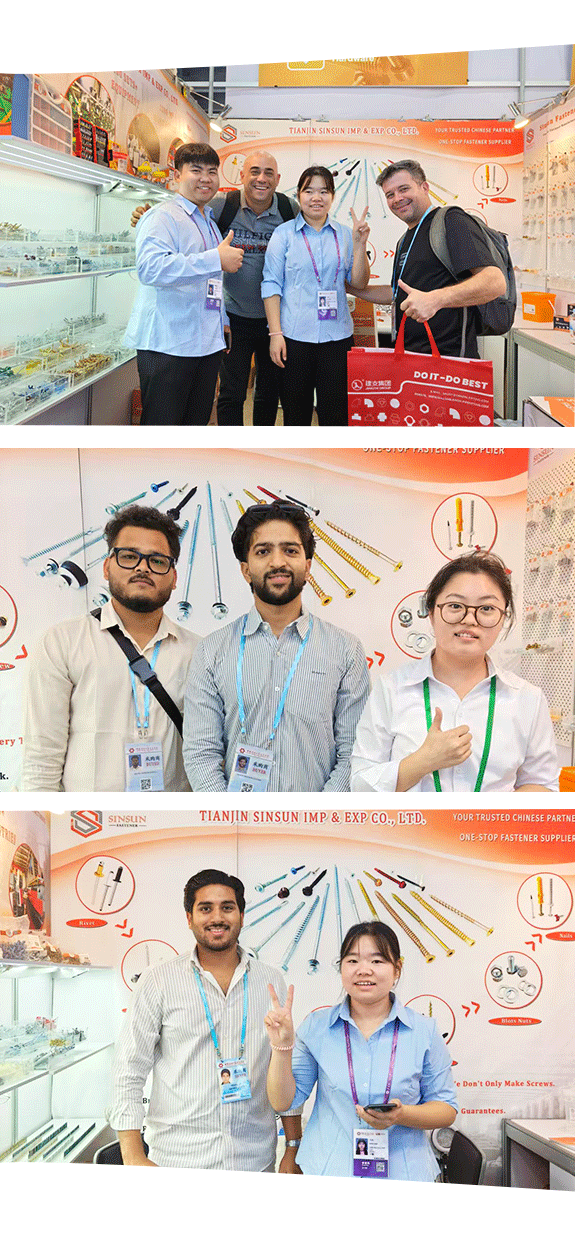
Sinsun Hardware, established in 2006, stands at the intersection of metallurgy and structural security. We supply robust wire configurations globally. Our strategic approach focuses on advanced zinc-coating technology, optimizing alloy mixtures, and executing cold-drawing sequences. This ensures each line of barbed wire delivers premium mechanical properties, outlasting local environmental factors like high salinity, humidity, and chemical exposure.
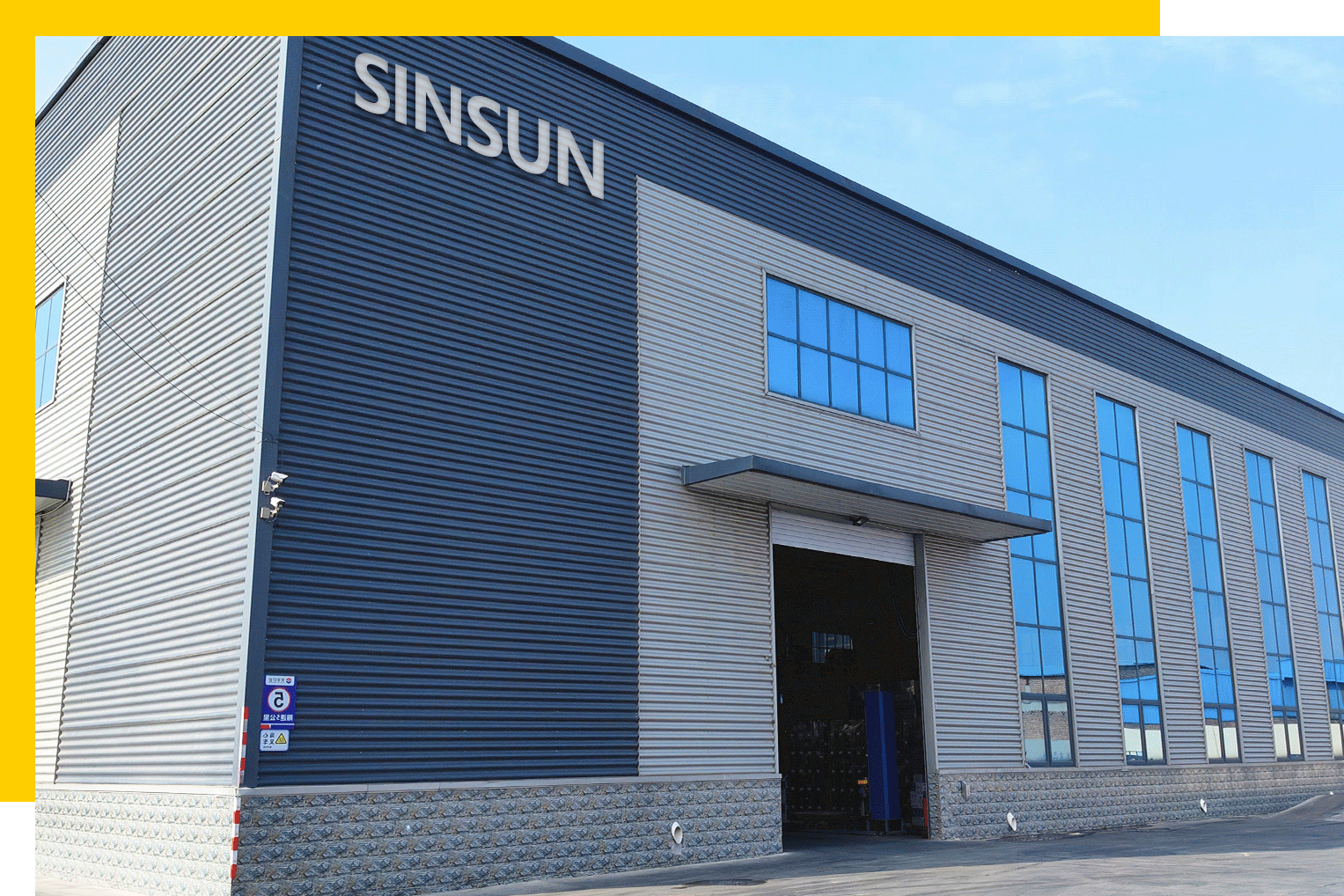
Chronology of Innovation: The Sinsun Development Timeline
How we expanded from a focused self-tapping screw manufacturer in Northern China to an integrated global hardware exporter and wire drawer.
Barbed Wire Technical Parameters & Chemical Composition
Understanding the standard specifications of high-tensile and low-carbon steel wires for global applications.
| Wire Type | Wire Gauge (BWG) | Tensile Strength (MPa) | Zinc Coating Options | Corrosion Resistance (Salt Spray) | Application Scenario |
|---|---|---|---|---|---|
| High-Tensile Single Strand | 12 - 14 BWG | 1,000 - 1,200 MPa | Class 3 Hot-Dipped Galv. (240g/m²) | 1000+ Hours (ASTM B117) | High-tension agricultural ranches & long-span borders |
| Double Strand Mild Steel | 12.5 - 16 BWG | 350 - 550 MPa | Class 1 Galvanized (60g/m² - 80g/m²) | 500+ Hours (ASTM B117) | Commercial site security and urban perimeters |
| Galfan Alloy Coated Wire | 12 - 14.5 BWG | 900 - 1,150 MPa | 95% Zinc + 5% Aluminum | 1,500+ Hours (ASTM B117) | Highly corrosive marine coastal regions |
Sinsun Quality Engineering: From Annealing to Coating
Our complete control over the production loop delivers structural superiority to ensure durability on site.
Spheroidizing Annealing
Our 4 dedicated in-house spheroidizing furnaces refine raw steel microstructures, providing optimal ductility before cold drawing.
Precision Cold Heading
Powered by imported German and Taiwanese machinery, achieving dimensional accuracy up to ±0.02mm for all fasteners and joints.
Rigorous Heat Treatment
Operating 4 independent, high-capacity heat treatment lines to reach stable hardness levels (HRC 28-32) and ensure uniform structural yield strength.
Localized Application Scenarios: Meeting Global Requirements
Perimeter conditions vary across global markets, requiring targeted adjustments to barbed wire properties:
- High-Temperature Arid Borders (Middle East): Intense solar exposure can cause conventional PVC coatings to crack and degrade. We supply hot-dipped galvanized steel with Class 3 heavy-zinc layers, avoiding thermal sagging and maintaining tension across large desert spans.
- High-Humidity Agricultural Regions (South America & Russia): Standard steel wire rusts quickly when exposed to persistent moisture. Our Galfan-coated wire utilizes a zinc-aluminum alloy that prevents rust, lowering long-term maintenance costs for cattle farms.
- Coastal & Marine Environments (Southeast Asia): High marine salinity accelerates electrochemical corrosion. Our multi-stage coated options and SS304/SS316 stainless steel wires provide reliable rust resistance in salty sea breezes.
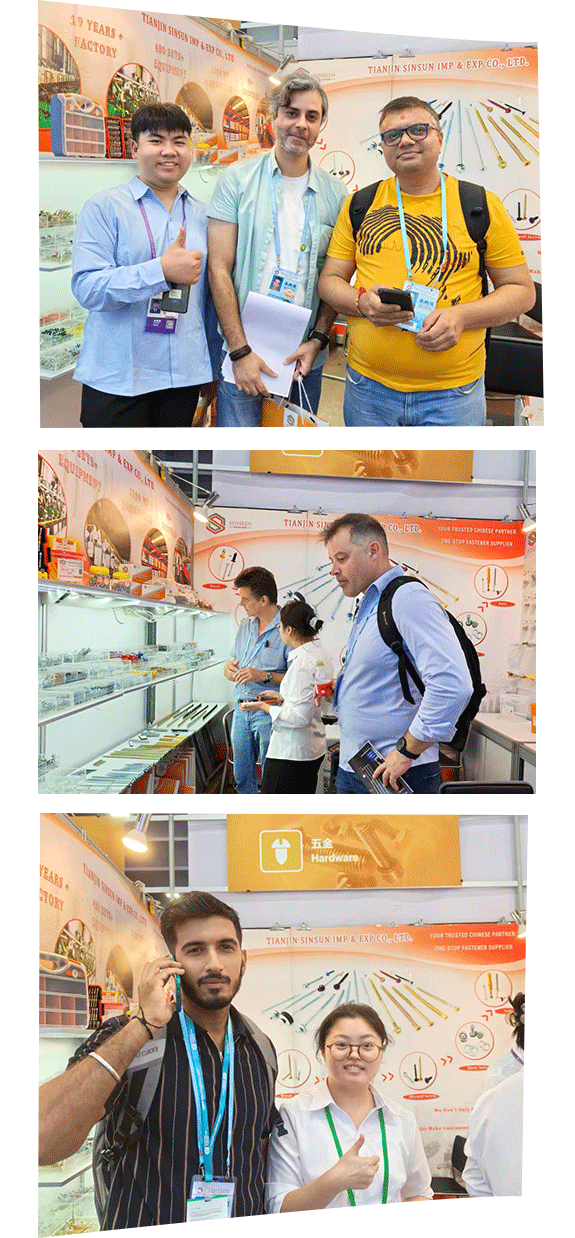
Technological Roadmap & Future Outlook
Where modern boundary protection and automated metallurgical manufacturing is headed over the next decade.
Nanotechnology Coatings
Deploying advanced protective polymer coatings with UV blockers and self-healing properties that prevent corrosion even if the surface is scratched during installation.
Smart Sensing Integration
Developing tension-sensitive high-strength wires that integrate directly with localized security sensors to detect structural cuts or climbing attempts in real-time.
Zero-Carbon Smart Manufacturing
Investing in energy-efficient gas-fired heat treatment lines and transitioning toward carbon-neutral steel wire drawing, minimizing environmental impact.
Answers to Common Industry Questions (FAQ)
Expert insights on selecting, installing, and calculating parameters for wholesale barbed wire orders.
Q1: What is the difference between Single-Strand and Double-Strand barbed wire?
Single-strand barbed wire uses a high-tensile wire line (often 12 or 12.5 gauge) to handle high tension and simplify installation across long spans. Double-strand barbed wire twists two mild-steel wires together, providing high torsional strength and mechanical stability, making it popular for traditional industrial and agricultural enclosures.
Q2: Why does the zinc coating weight matter for structural perimeters?
Zinc coating directly impacts product lifespan. Class 1 coating (approx. 60g/m² to 90g/m²) offers basic protection suitable for dry regions. Class 3 coating (approx. 240g/m²) delivers heavy protection that resists corrosion, extending service life in coastal or high-humidity areas by up to three times.
Q3: Can Sinsun customize barbed wire specifications and packaging?
Yes. We provide comprehensive OEM/ODM customization. We support custom wire gauges, barb spacing (3" to 6"), roll lengths (100m to 500m), and offer customized structural packaging, complete with wooden handles or steel frames for safe transport and distribution.
Q4: How does spheroidizing annealing affect wire performance?
Our spheroidizing annealing process heats the steel to refine its internal carbide structure. This softens the metal and improves its ductility. It allows the steel to be drawn into thin wires without cracking, which ensures uniform tensile strength throughout the final product.
Q5: What are the lead times for custom container shipments?
Thanks to our 12,000 sqm ready-stock warehouse and high capacity (36,000 tons annually), standard configurations ship within 15-20 days. Custom orders requiring specific plating or sizing are processed efficiently, supported by our advanced German and Taiwanese machinery to ensure quick delivery.