Q:
What is the primary benefit of using sinker nails?
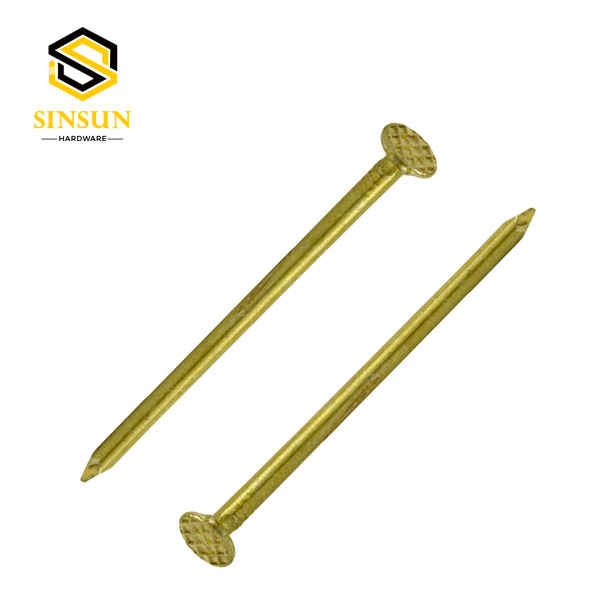
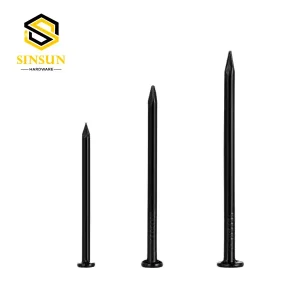
Sinker nails are specifically designed for framing and general construction work. They feature a grid-like pattern on the head to prevent hammer slippage and a thin coating, often vinyl or epoxy, which acts as a lubricant during driving and increases holding power as it sets.
Q:
Why should I choose screw nails over standard smooth nails?
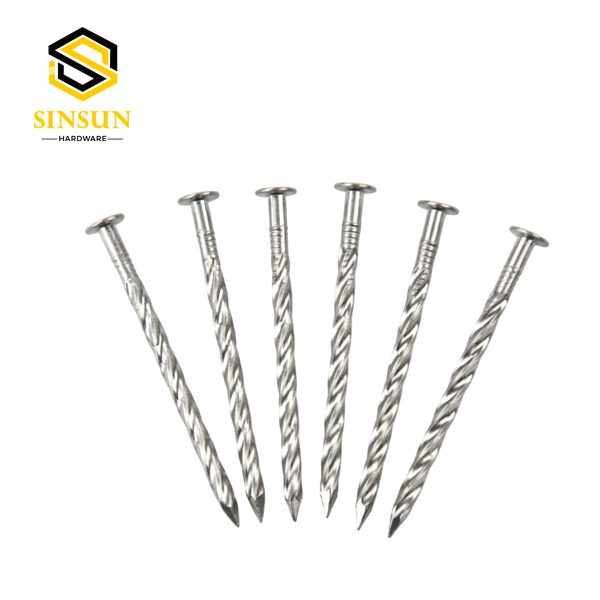
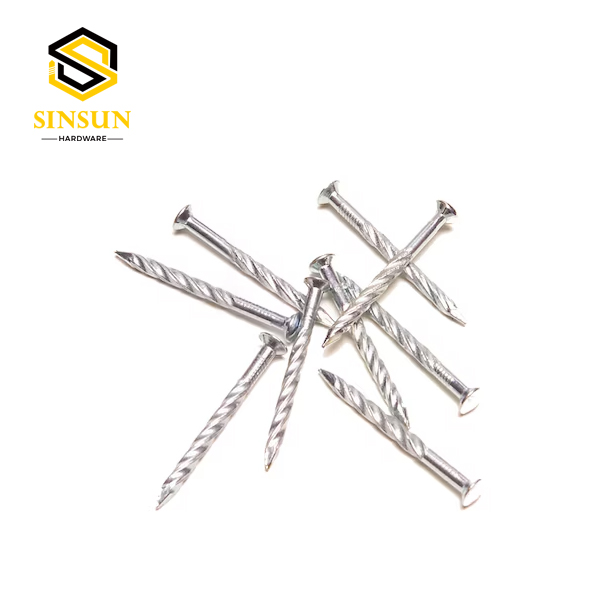
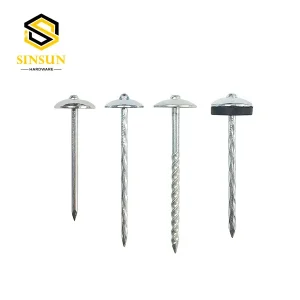
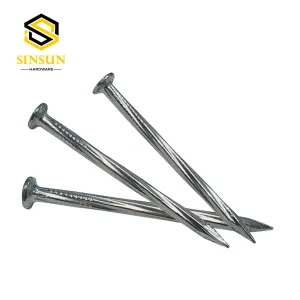
Screw nails, also known as spiral shank nails, rotate as they are driven into the wood, forming a tight physical grip with the wood fibers. This makes them ideal for hardwood applications and projects requiring superior holding strength under dynamic loads, reducing the risk of wood pulling apart.
Q:
What does "Hot Dipped Galvanized" mean for box nails?
Hot-dipped galvanizing is a process where the steel nails are submerged in molten zinc. This creates a thick, corrosion-resistant coating that protects the nails from rust, making them highly suitable for outdoor construction and pressure-treated lumber.
Q:
How do floor nails ensure squeak-free installation?
Floor nails typically feature specialized shank structures, like ring shanks or spiral shanks, which lock firmly into subfloors and joists. This minimizes any movement between the floorboards and the underlying structure, which is the primary cause of floor squeaking.
Q:
Are common wire nails suitable for heavy-duty structural applications?
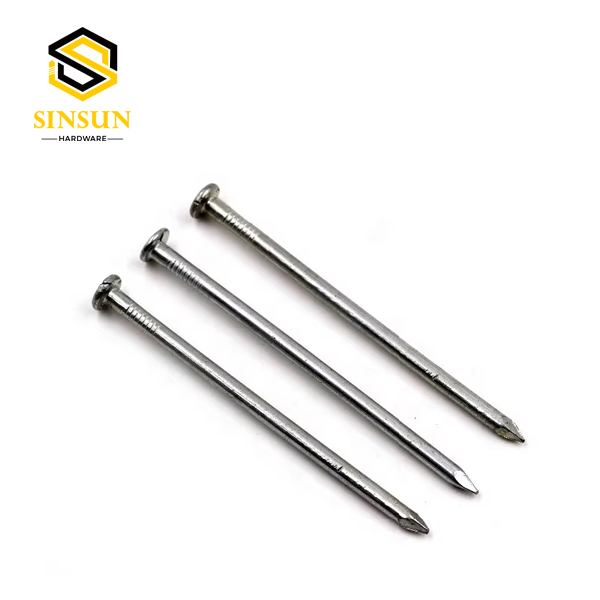
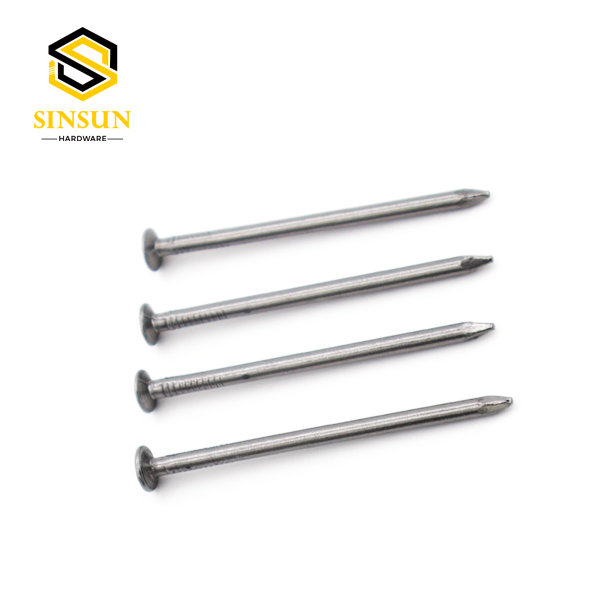
Yes, common wire nails have a thick shank, a wide head, and high shear strength, which makes them the standard choice for general framing, structural building, and carpentry work where maximum holding capacity is needed.