What is the difference between 16 gauge and 18 gauge brad nails?
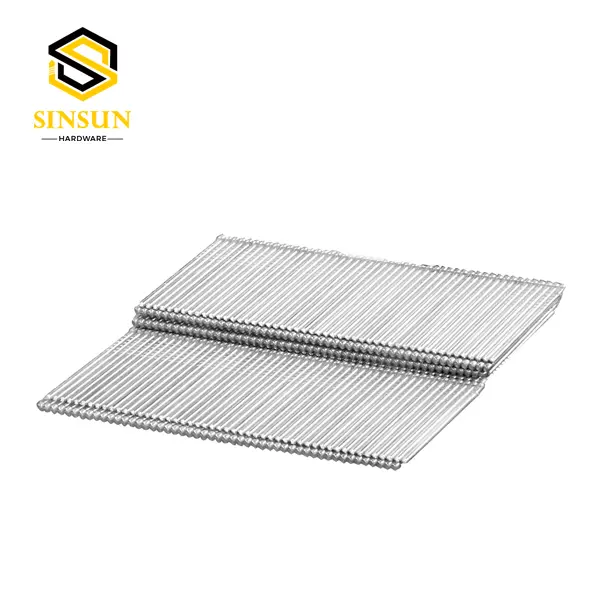
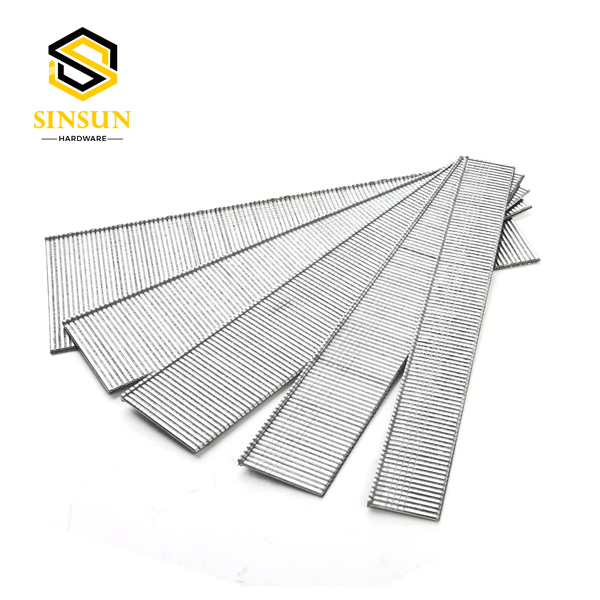
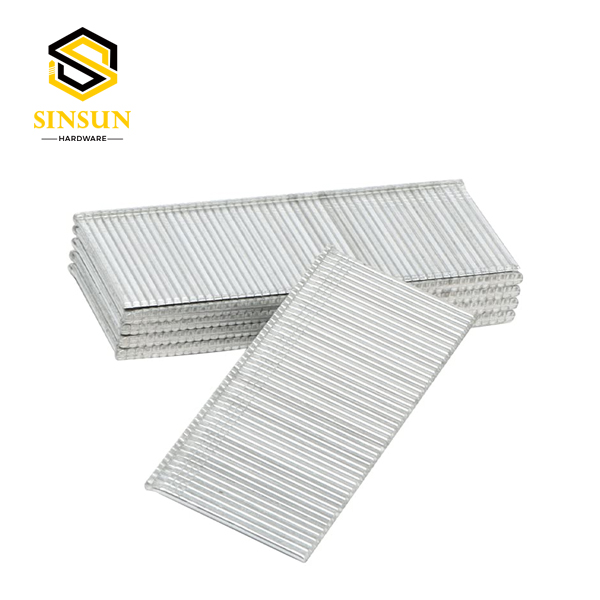
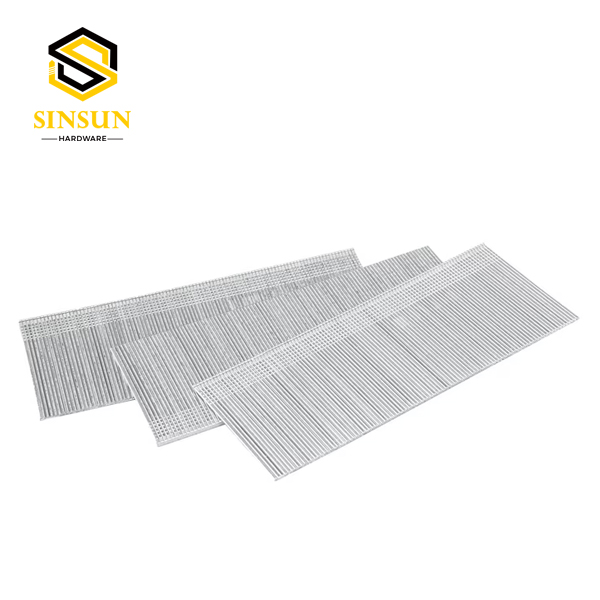
16 gauge brad nails are slightly thicker and offer a stronger hold, making them ideal for heavier trim work and baseboards. 18 gauge brad nails are thinner, leave smaller holes, and are perfect for delicate woodwork and detailed molding projects to prevent splitting.
When should I use 23 gauge pin nails?
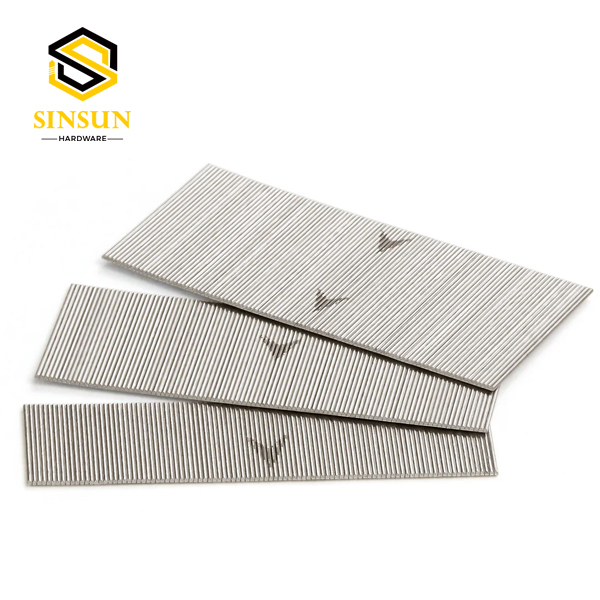
23 gauge pin nails are extremely thin, headless fasteners. They are best used for delicate craftwork, jewelry box construction, picture frame assembly, and holding trim pieces in place while the adhesive or wood glue cures.
What are the advantages of using premium black brad nails?
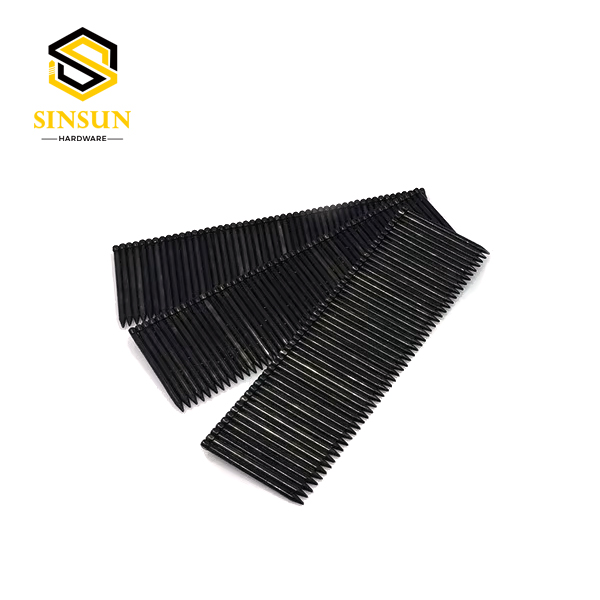
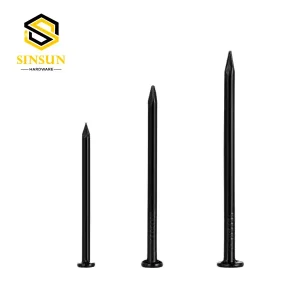
Premium black brad nails provide a clean, modern aesthetic look that easily blends in with dark-stained wood, black cabinetry, or contemporary furniture designs, reducing the need for wood filler or coloring over nail heads.
Are angled nails suitable for standard nail guns?
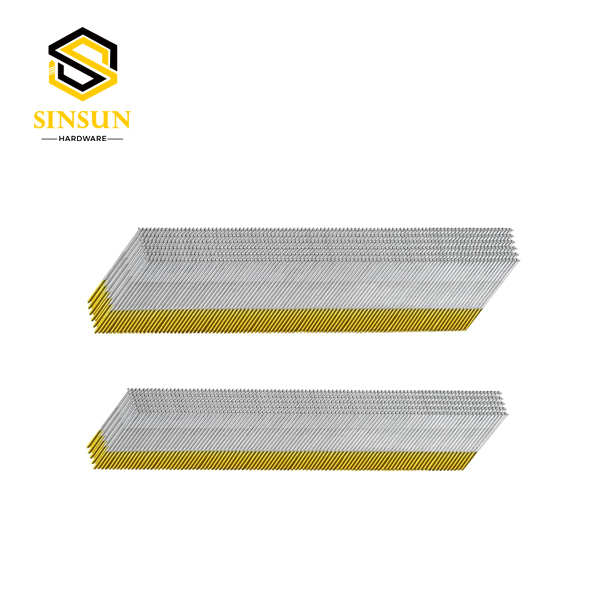
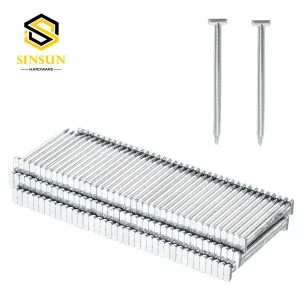
Angled finish nails are specifically designed for angled finish nailers. They allow for easier access to tight corners and hard-to-reach joints, which is particularly useful for detailed crown molding and cabinetry installation.
How do I choose the right nail size for my woodworking project?
The general rule is that the nail length should be three times the thickness of the material you are fastening. Additionally, ensure the gauge size matches the density and fragility of the wood to prevent splitting or weak joints.