1 / 1
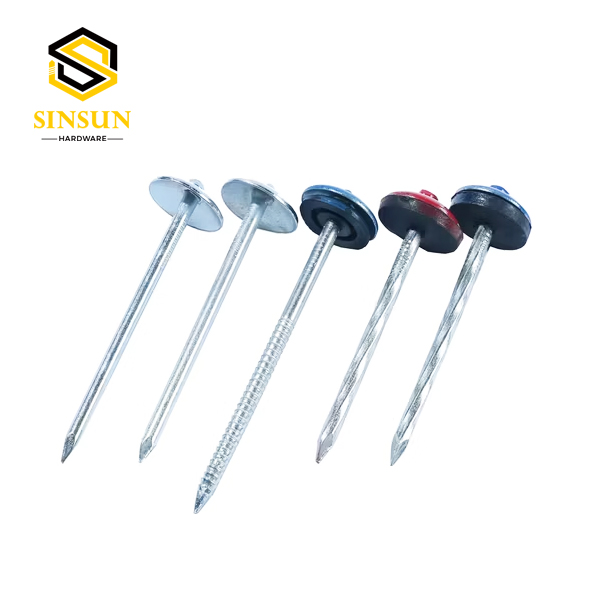
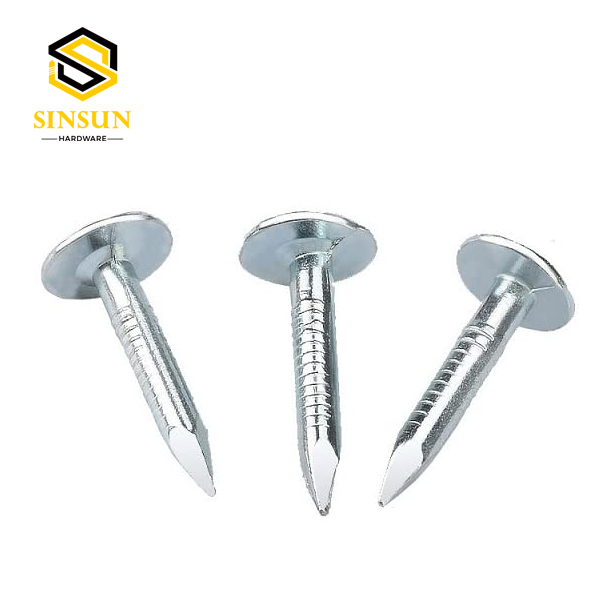
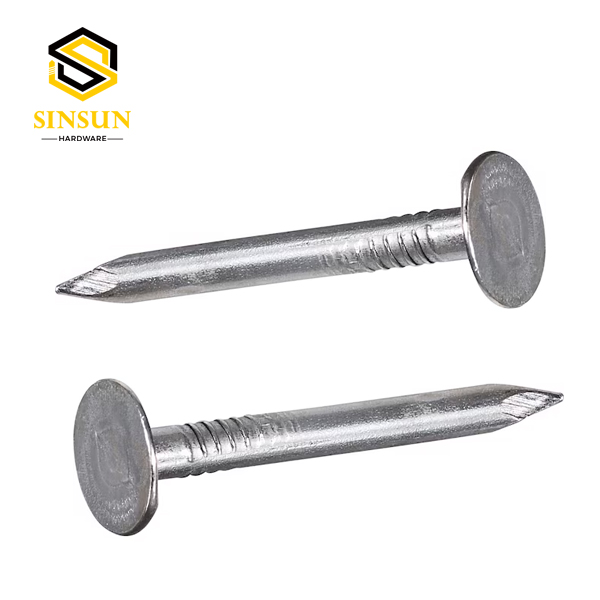
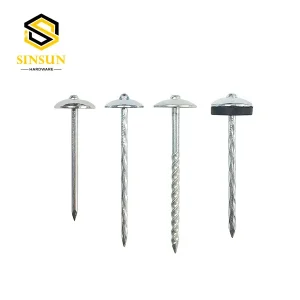
Umbrella head roofing nails feature a uniquely large, dome-like head designed to distribute holding pressure evenly across the roofing sheet. This shape helps seal the hole created by the nail, significantly reducing the risk of water leaks compared to standard flat-headed nails.
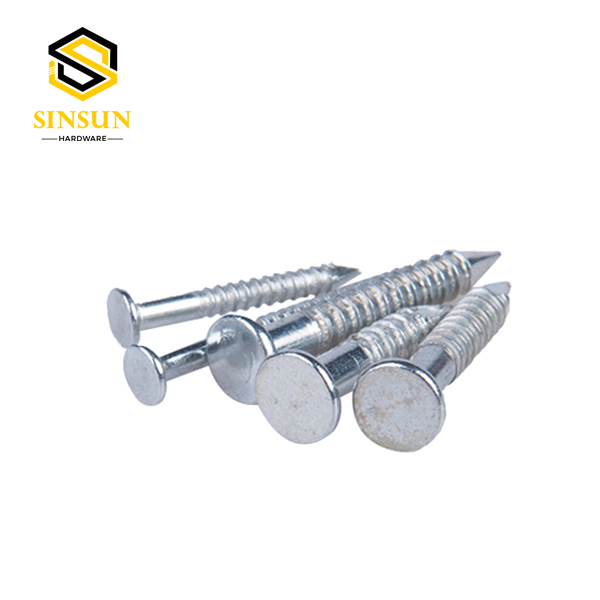
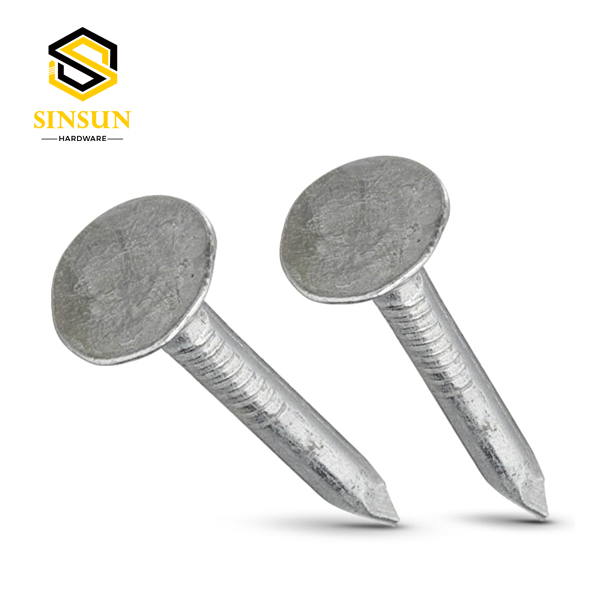
Clout nails, characterized by their short shanks and broad flat heads, are ideal for securing thinner roofing materials like roof felt, slate tiles, and plasterboard. Their flat head prevents the nail from tearing through delicate sheet materials during installation.
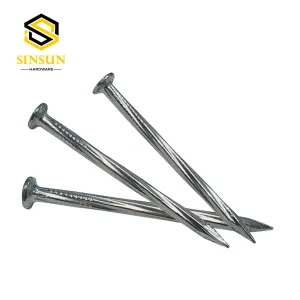
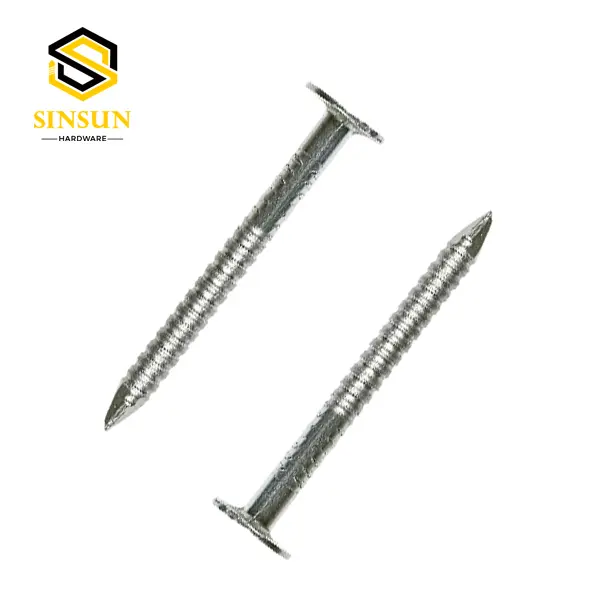
Ring shank nails feature a series of rings along the shaft. When driven into wood, these rings lock into the wood fibers, creating a strong mechanical grip that makes them highly resistant to backing out due to wood shrinkage, thermal expansion, or strong winds.
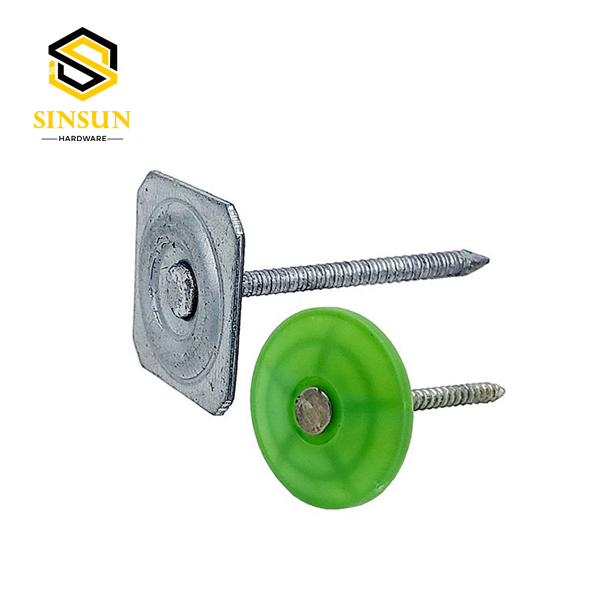
The plastic or metal cap on roofing cap nails helps seal out moisture and distributes holding pressure to prevent wind uplift. They are widely used for securing base sheets, underlayment, house wraps, and vapor barriers.
Galvanized roofing nails undergo a protective zinc coating process, which provides superior rust and corrosion resistance. Since roofing materials are constantly exposed to moisture, rain, and temperature fluctuations, using galvanized nails ensures structural longevity and prevents unsightly rust stains.
As a rule of thumb, shingle nails must be long enough to penetrate at least 3/4 of an inch into the roof deck or completely through the roof sheathing to ensure secure holding power. Thicker shingles or multiple roofing layers will require longer shanks.