What is the difference between 16 gauge and 18 gauge brad nails?
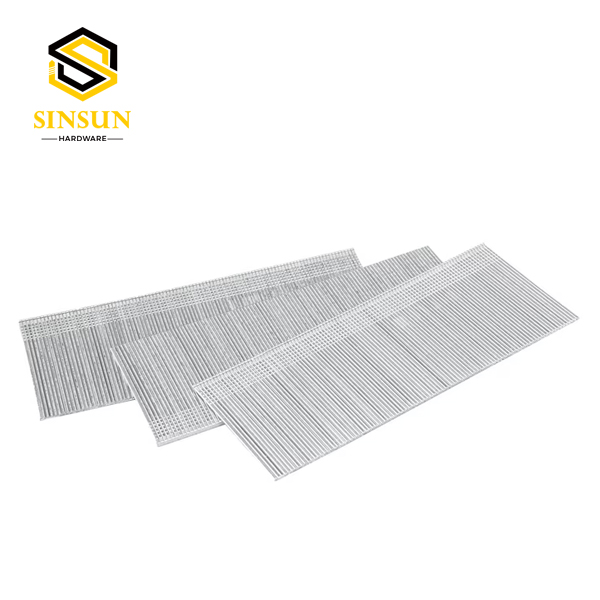
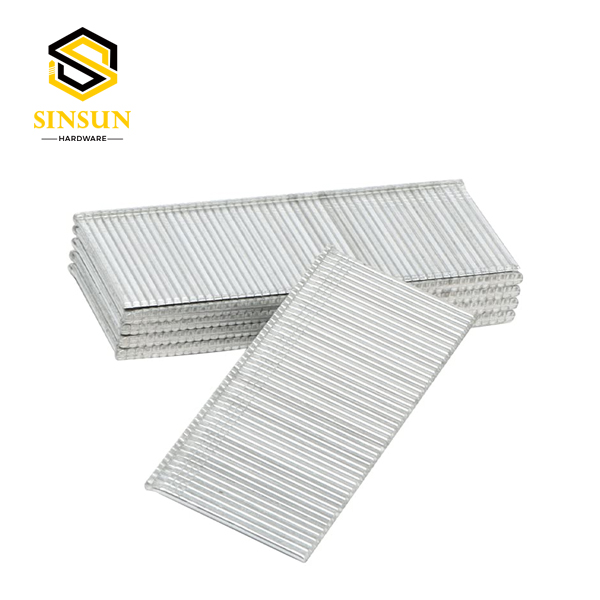
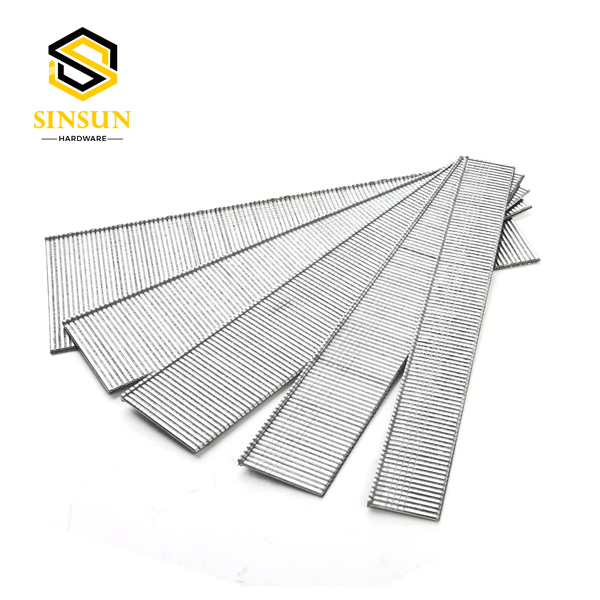
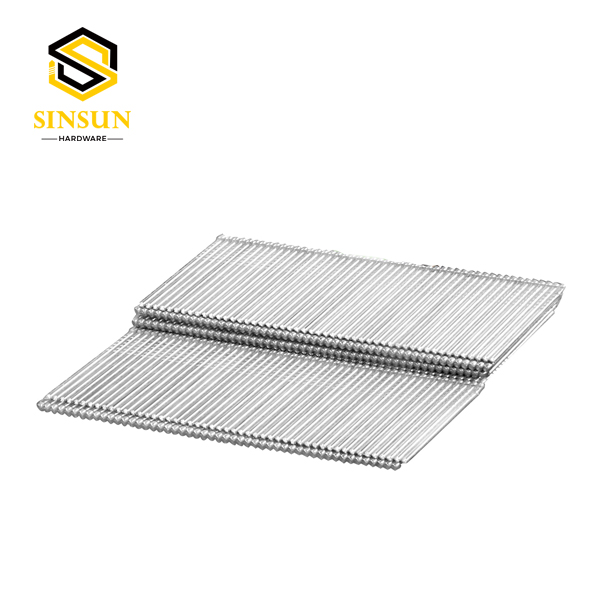
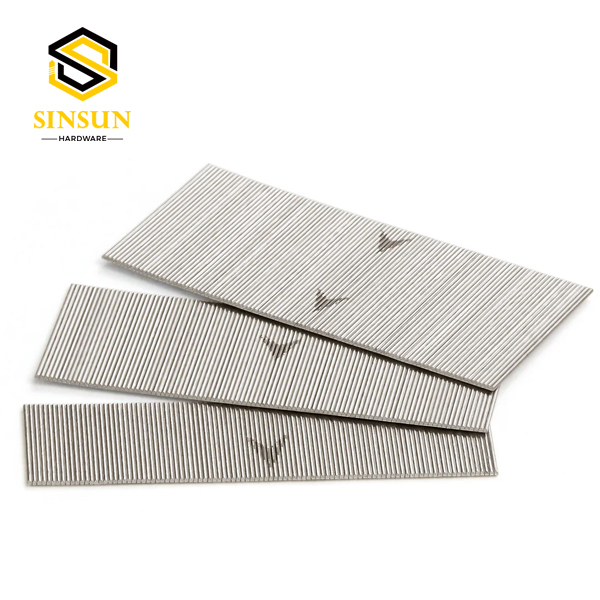
The main difference is the thickness (gauge) of the nail. 16 gauge nails are thicker and provide stronger holding power, making them ideal for heavy trim work. 18 gauge brad nails are thinner, leaving smaller holes that require less filling, which is perfect for delicate woodworking and thin moldings.
When should I use 23 gauge pin nails?
23 gauge pin nails are extremely thin and headless, designed for holding delicate decorative trim, glazing beads, and small moldings in place while the wood glue dries. They leave almost invisible holes.
What are the advantages of angled finish nails?
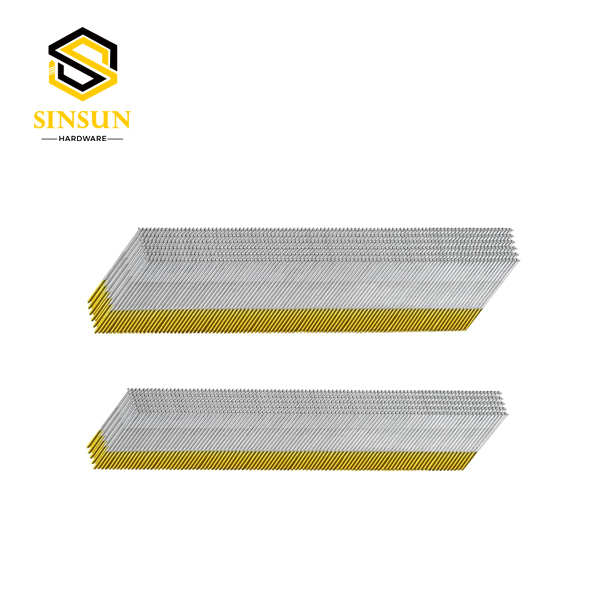
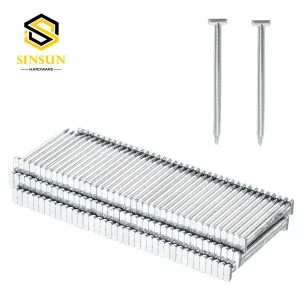
Angled finish nails are designed to fit into angled nail guns, which allows you to access tight spaces, corners, and hard-to-reach joints easily, particularly during crown molding or cabinetry installation.
Are 15 gauge nails suitable for structural applications?
15 gauge nails are thicker than 16 and 18 gauge nails, offering maximum holding strength. While excellent for heavy-duty interior trim, exterior casing, and door frames, they are not intended for structural framing applications.
What materials are these brad and pin nails made of?
These nails are typically manufactured from high-quality steel and coated with a galvanized finish to prevent rust and corrosion, ensuring long-lasting performance in various wood applications.