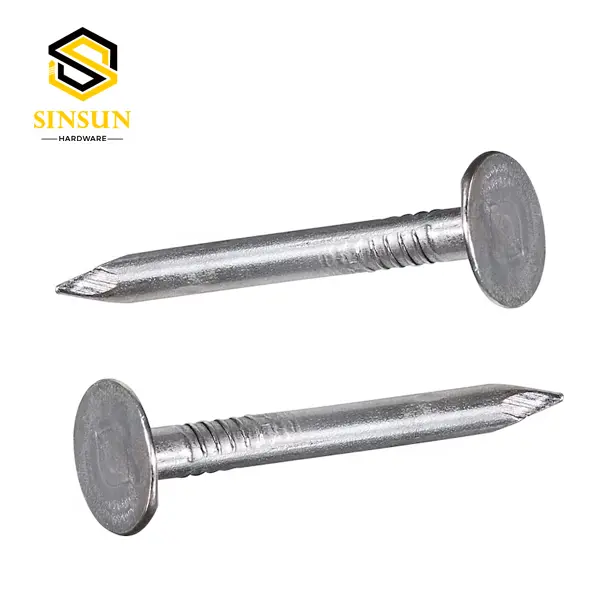
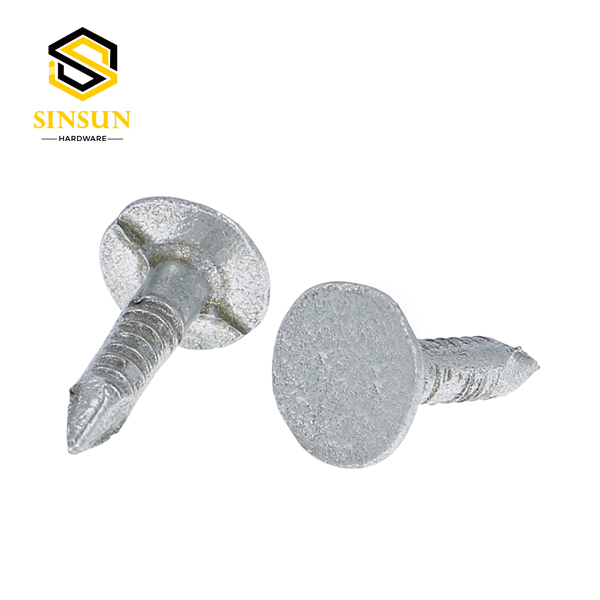
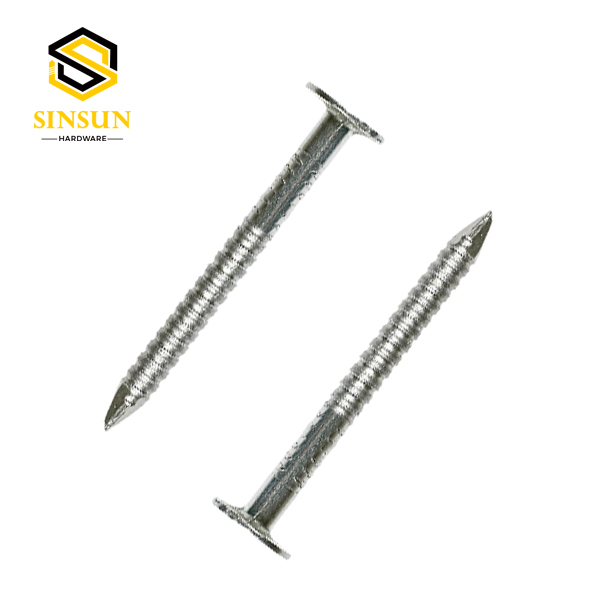
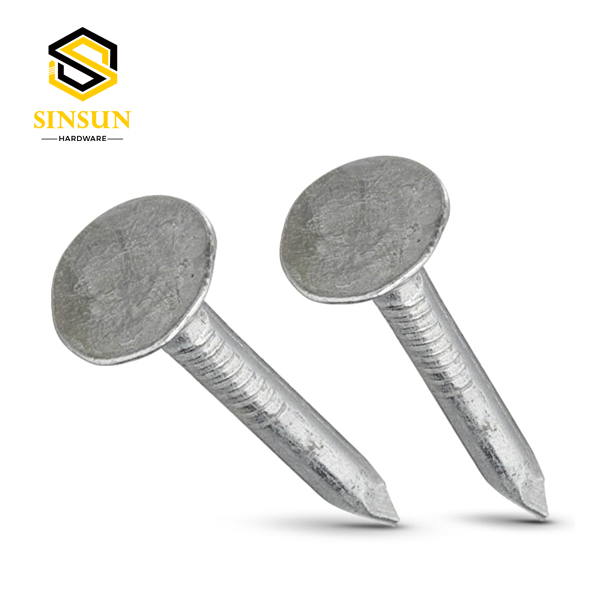
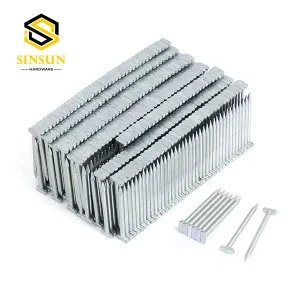
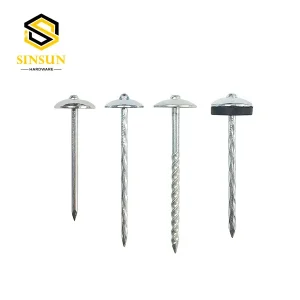
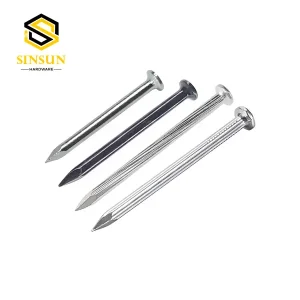
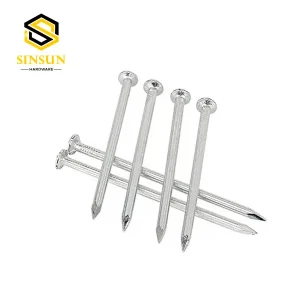
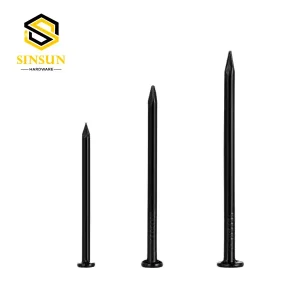
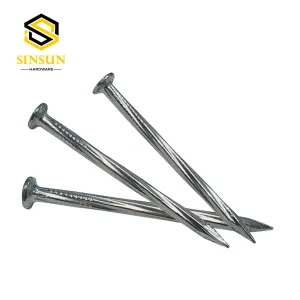
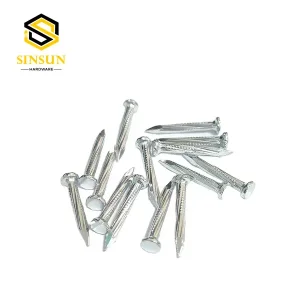
Roofing felt nails, characterized by their large flat heads and short shanks, are specifically designed to secure roofing felt, underlayment, and other thin sheet materials to wooden roof decks without tearing the material.
Q2. Why should I choose stainless steel roofing nails over galvanized ones?
Stainless steel roofing nails offer maximum corrosion resistance, making them ideal for coastal environments, buildings exposed to heavy rainfall, or when working with treated wood that accelerates corrosion in standard fasteners.
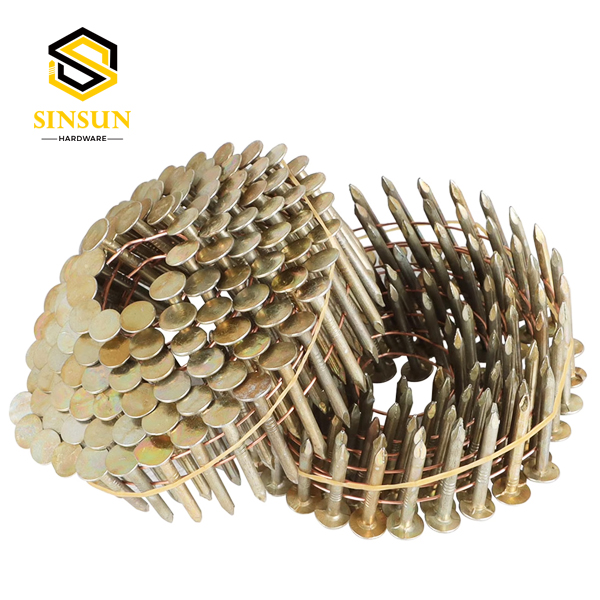
Q3. Can pneumatic roofing nails be used for manual hand nailing?
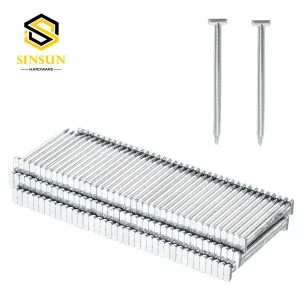
Pneumatic roofing nails are collated in coils or strips designed specifically for pneumatic nail guns. While it is physically possible to detach and use them manually, it is highly inefficient and not recommended for standard installations.
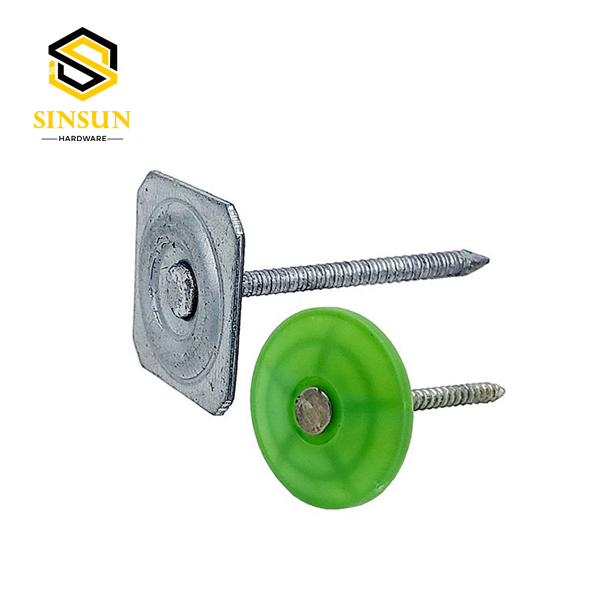
Q4. What is the advantage of using roofing cap nails?
Roofing cap nails feature a plastic or metal cap that distributes holding pressure over a wider surface area. This prevents wind blow-offs and provides an extra seal over the penetration hole, effectively keeping moisture out.
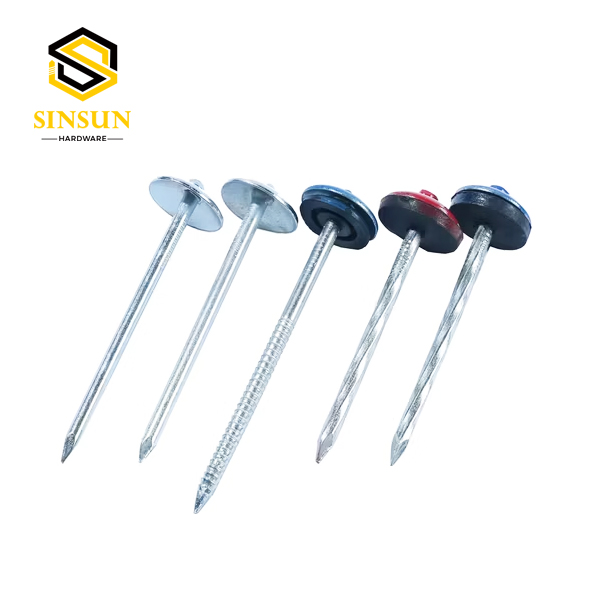
Q5. Why do umbrella head roofing nails have a unique head design?
The umbrella head shape is designed to wrap tightly around the entry point on roofing sheets. This helps prevent water leakage and offers strong resistance against strong winds and sheet slippage.