Crimped wire mesh represents an essential raw material and functional component in modern heavy industry, mining, architecture, and filtration applications. Formed by pre-crimping structural metallic wire before the weaving process, this production methodology yields a robust mechanical interlock that prevents wire slippage and maintains precise aperture spacing under load. The global crimped wire mesh market has witnessed structural transformations driven by high-yield mineral extraction, infrastructure developments in emerging economies, and the rising demand for high-strength safety enclosures.
From a technical standpoint, the selection of the correct crimp style—including double crimped, lock crimped, intermediate crimped, and flat-top crimped—directly influences the structural integrity and abrasive wear life of the installation. For example, flat-top crimped profiles offer a perfectly level surface that minimizes friction and abrasive degradation, making them the preferred configuration for high-volume aggregate processing and heavy vibrating screen decks.
Technical Insight: Pre-crimping introduces structural cold-working to the metal, which increases its yield strength. In highly abrasive environments such as coal mines and quarry screening plants, utilizing high-tensile carbon steel (≥1000 MPa) combined with specialized crimp locking mechanisms ensures the longest service life and minimal down-time.
Defined by sharp, distinct crimps at wire intersections. The lock crimp provides maximum rigid locking strength, preventing wire movement under strong vibrations.
Used where the aperture is large relative to the wire diameter. Both warp and weft wires are pre-crimped with additional corrugations before weaving to maintain high stability.
All structural crimps are driven to the underside, leaving a smooth, flat top surface. This configuration ensures consistent material flow and reduces localized abrasion.
Established in 2006, Sinsun Hardware has grown to become a dominant force in Northern China's industrial manufacturing ecosystem. As the region's largest self-tapping screw and industrial wire production hub, we operate an integrated 30,000 square meter facility designed to meet the rigorous demands of global distributors, raw material procurers, and infrastructure contractors. Our smart warehousing setup features a 12,000 sqm capacity storing more than 18,000 pallets, assuring consistent supply chains and high dispatch efficiency.
Equipped with state-of-the-art German multi-station cold heading machinery and precision Taiwanese manufacturing technologies, Sinsun Hardware's facility guarantees the production of wire, nails, screws, and mesh products that meet strict international tolerances. With annual logistics processing exceeding 8,500 containers, we reliably supply key global markets including South America, the Middle East, Southeast Asia, and Russia.
Sinsun began with a singular focus: to build a factory dedicated to self-tapping screws. This foundational specialization established our core metallurgical and engineering expertise from the ground up.
Marked a pivotal global expansion step for Sinsun. We established our Export Division, directly servicing international construction, agricultural, and industrial screen markets.
Incorporated four spheroidizing annealing furnaces and state-of-the-art wire drawing lines, allowing control from basic steel wire rod down to finished precision mesh dimensions.
Upgraded our cold heading and wire processing departments with German multi-station forming equipment. Expanded product ranges to handle diverse heavy-duty industrial mesh applications.
Achieved over 36,000 tons in annual output, scaling logistics throughput to manage more than 1,100 high-capacity export containers per year.
Deployed a modern smart inventory system to support quick shipments of high-demand crimped wire mesh patterns and fastening hardware directly from stock.
Commissioned four continuous heat treatment lines to optimize the tensile matrix and hardness consistency of high-carbon wire mesh screens and specialty fasteners.
The manufacturing efficiency of Sinsun Hardware's facility relies on vertical integration. Unlike standard exporters who procure semi-finished steel wires, we start with raw steel coil rods sourced from premium domestic manufacturers, including the renowned XING TAI Steel. Raw steel undergoes in-house spheroidizing annealing and precision wire drawing, ensuring complete control over the chemical composition and microstructure of the wire before it is woven.
By conducting continuous wire drawing and annealing on-site, Sinsun ensures that every batch of crimped wire mesh meets high standards of tensile strength (exceeding 1000 MPa for high-tensile mineral screens) and dimensional accuracy. In-house processing also reduces material wastage, shielding international procurers from raw material price swings and cutting lead times by up to 25% compared to non-integrated manufacturers.
Quality Metric: Sinsun's precision wire drawing techniques maintain dimensional tolerances of ±0.02mm. Completed fasteners and wires undergo strict quality testing, including 1000+ hour salt spray testing for corrosion resistance, and achieve surface finishes with Ra values ≤ 0.4µm.
Furthermore, the installation of four advanced heat-treatment systems in 2025 has enhanced our production throughput. Heat treatment hardens carbon steel wires to HRC 28-32, offering optimal toughness for heavy mechanical screen decks. This integrated setup allows Sinsun to handle custom OEM and ODM orders with ease, ensuring both high quality and reliable delivery schedules.
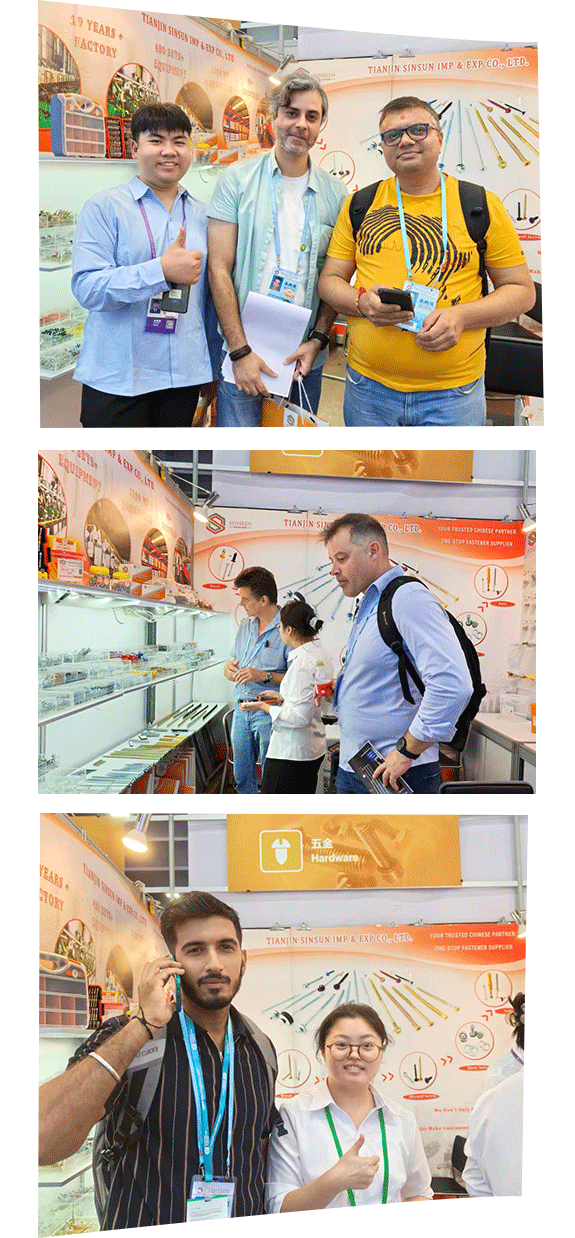
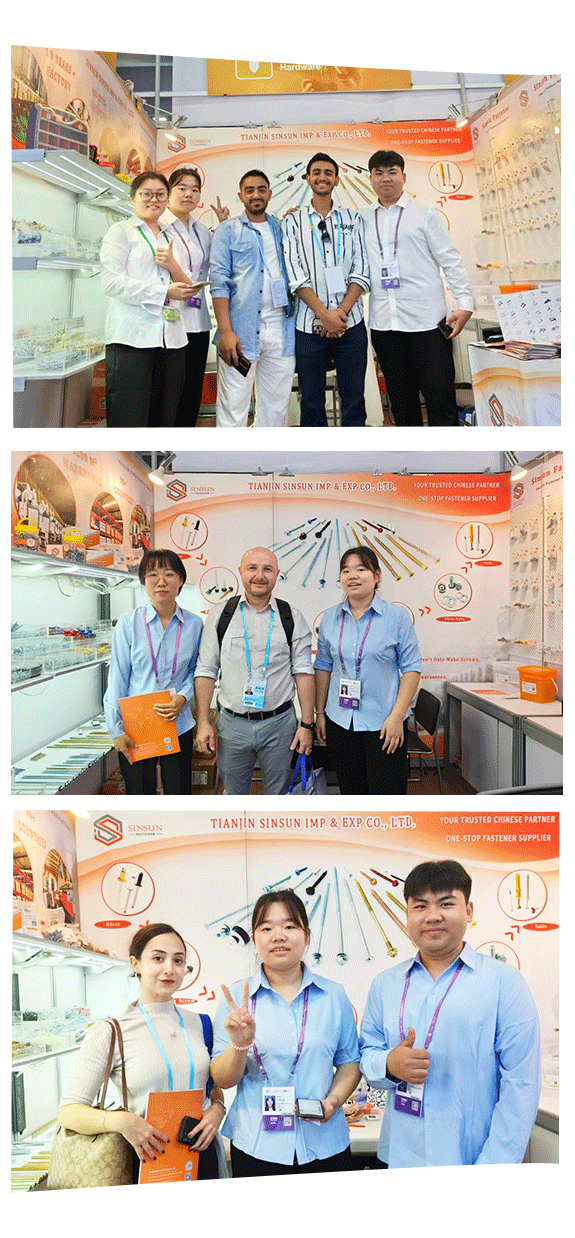
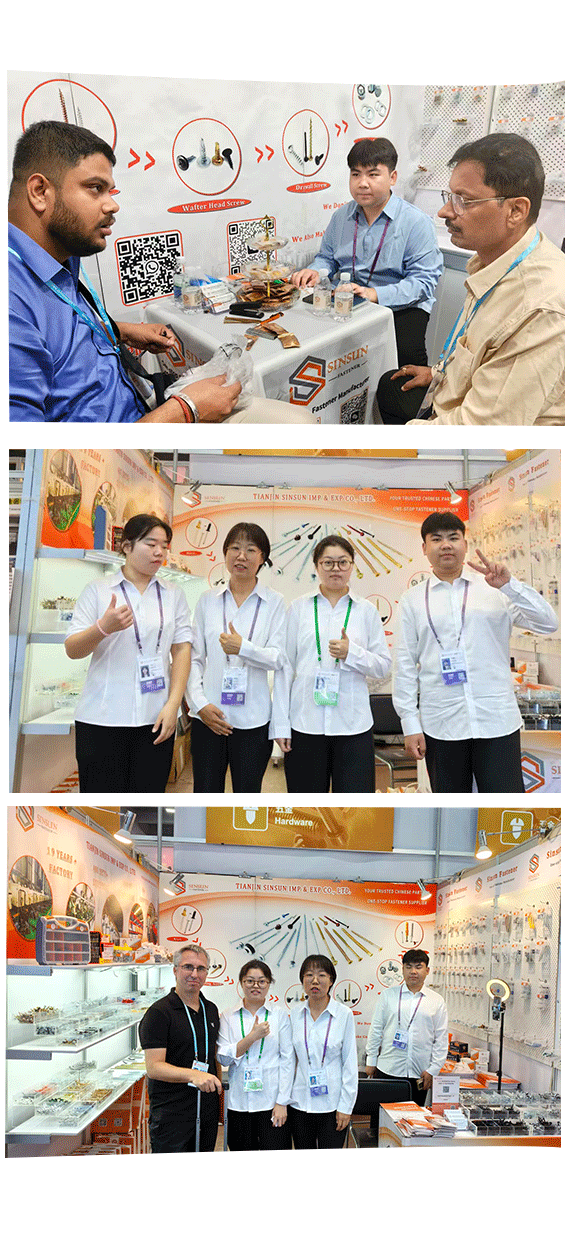
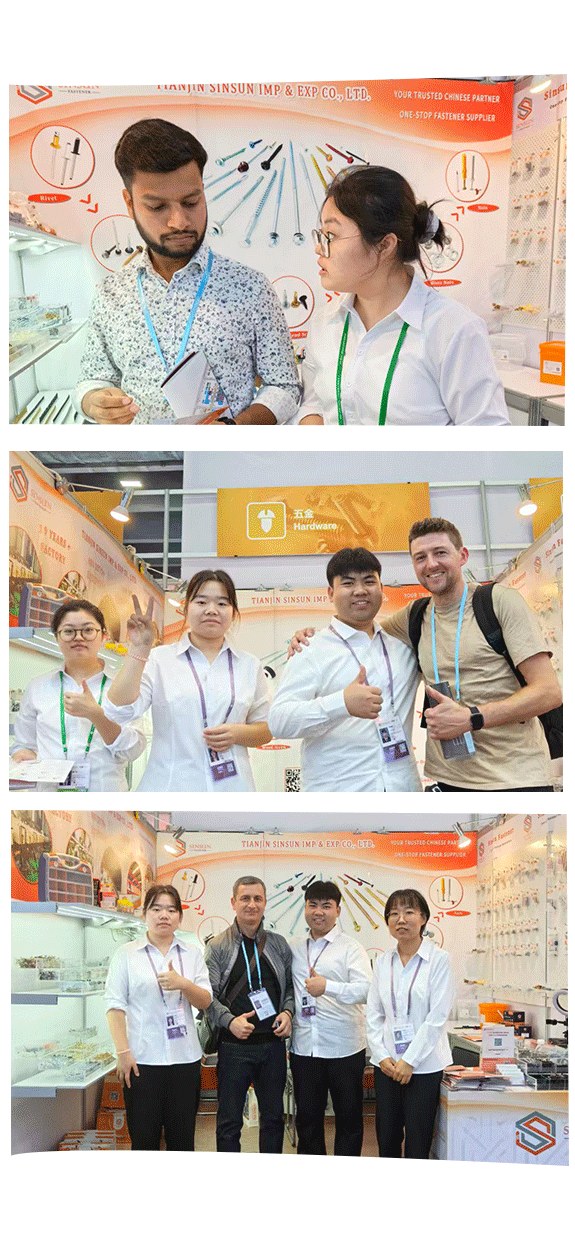
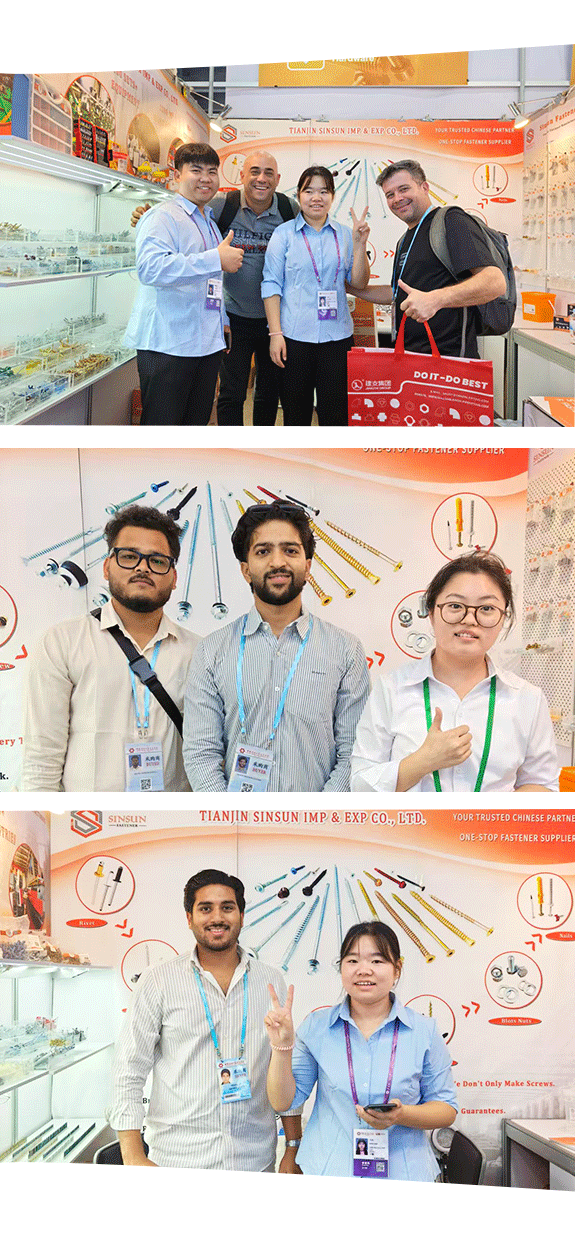
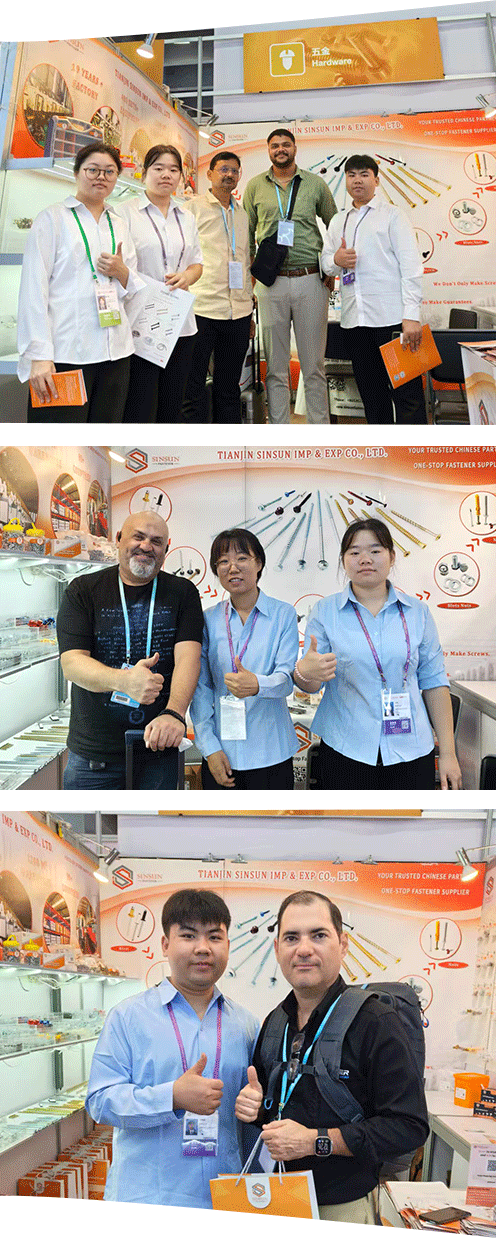
We regularly host international clients for on-site audits and inspections, showcasing our advanced production lines. Sinsun also participates in global exhibitions, presenting our industrial mesh solutions and building partnerships built on reliability.
Crimped wire mesh patterns are engineered for specific environmental stresses, material weights, and wear parameters depending on the target market:
As heavy industries move toward automation and intelligence, crimped wire mesh systems are evolving. The integration of digital wear sensors inside screen decks helps mining plants track wear levels and predict replacements. Modern surface treatment innovations, such as polyurethane coatings and chrome-manganese alloys, are setting new standards for lifespan. Producers who can deliver tight tolerances, consistent metallurgy, and customized mesh geometries are leading the global market.
For abrasive quarry screening, high-tensile carbon steel (such as 65Mn or high-carbon steel wire rods) is standard, providing tensile strengths over 1000 MPa. For damp, corrosive applications, galvanized wire or SS304/SS316 grades are recommended to prevent rust-induced structural failure.
We process wire rods through our in-house drawing lines with precision carbide dies. Our quality control lab measures diameter variations down to ±0.02mm, while automatic weaving looms ensure aperture spacing stays within international standards.
Flat-Top mesh features all crimp projections on the underside, leaving a smooth top surface. This design reduces friction, minimizes aggregate wear points, and improves material flow, making it ideal for aggregate screening.
Yes. Our engineering and logistics teams provide complete OEM/ODM support. Utilizing 3D design previews, custom packaging designs, and our 12,000 sqm warehouse, we can label and package products according to your distribution needs.
We perform rigorous quality tests, including tensile strength testing, elongation tests, bend testing, dimensional accuracy checks, and salt-spray testing (over 1000 hours) for corrosion protection coatings.