1 / 1
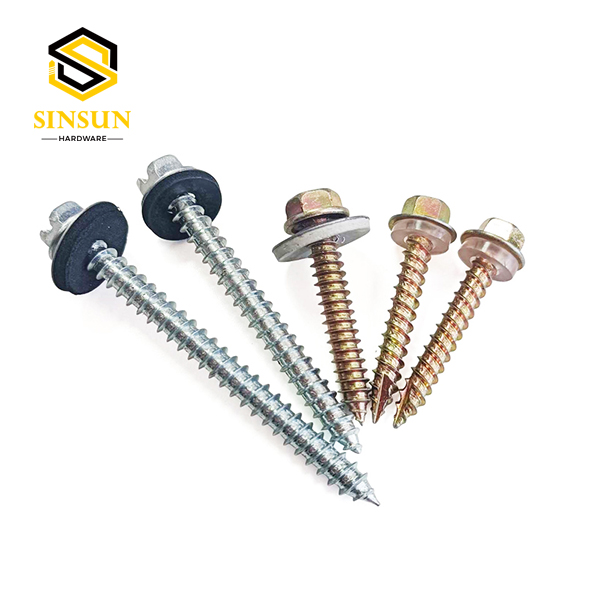
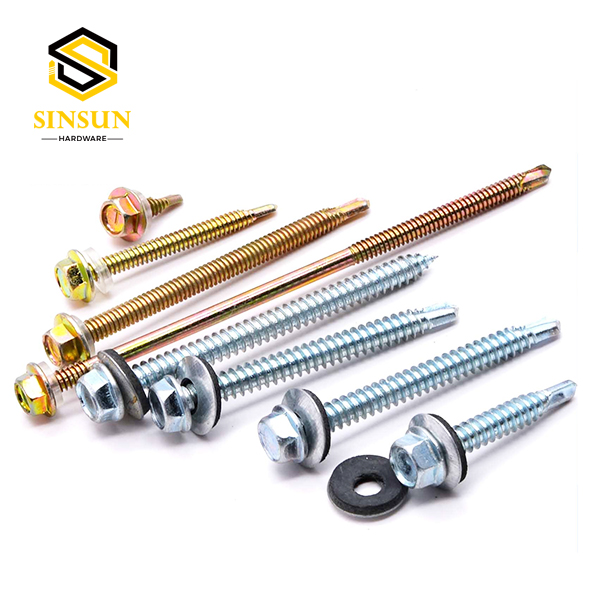
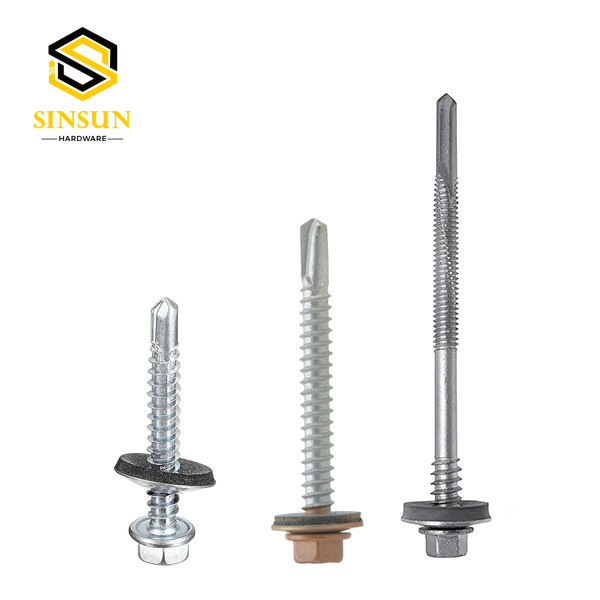
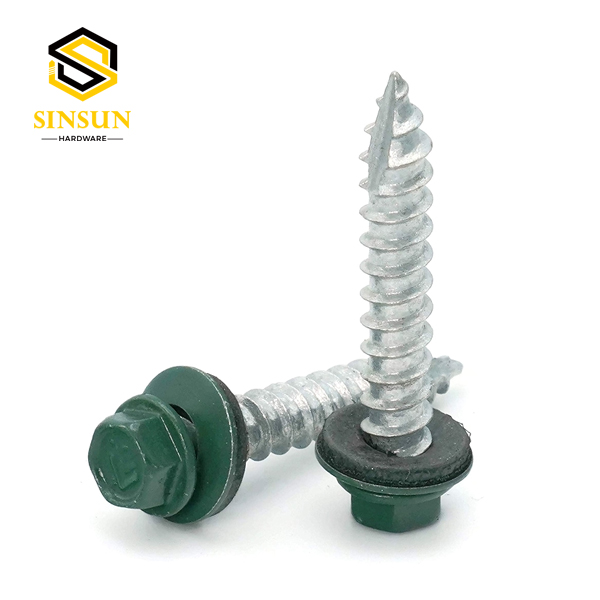
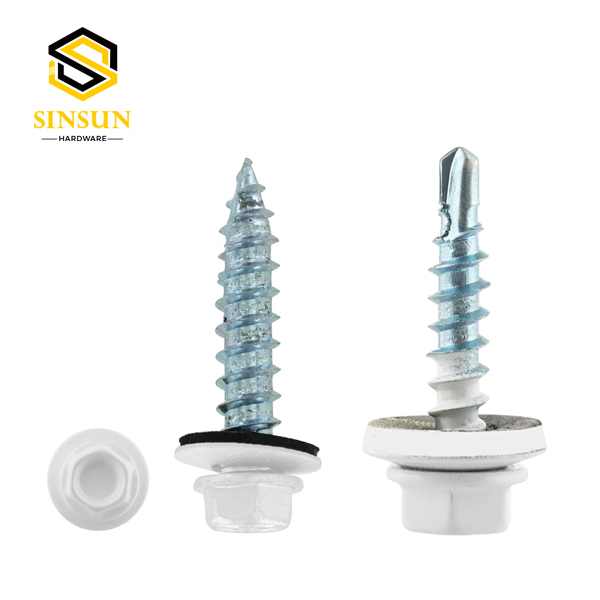
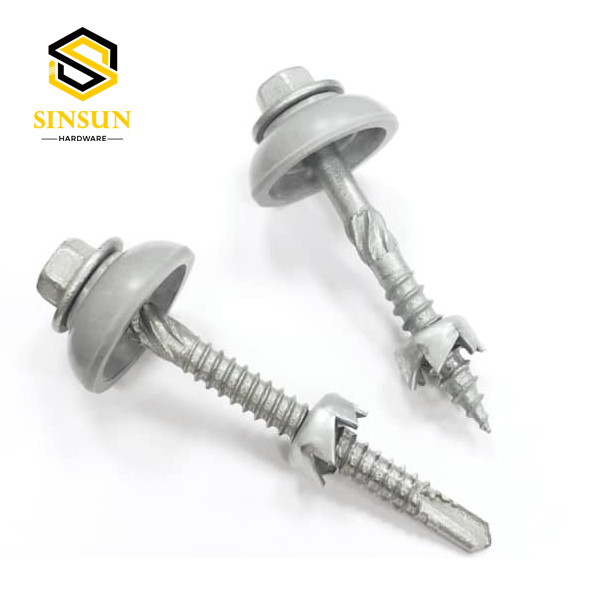
Self-drilling screws feature a tip shaped like a drill bit, allowing them to drill their own pilot hole and thread in one single motion. Self-tapping screws, on the other hand, require a pre-drilled hole before they can tap their threads into the metal sheet.
The rubber (usually EPDM) washer acts as a compressive seal. When tightened, it compresses against the metal sheet to prevent rainwater from leaking through the screw hole, while also absorbing thermal expansion and contraction vibrations.
The general rule is that the screw should penetrate at least 1 inch (25mm) into the wooden purlins, or completely pass through the metal frame substrate. Be sure to account for the height of the metal rib profile if you are fastening through the crown of the metal sheet.
While matching the color of your metal roofing panel (like green or white) provides a clean visual appearance, the powder-coated or painted finish also adds an extra layer of protection against corrosion, humidity, and UV exposure.
It is not recommended. Polycarbonate roofing screws are specifically designed with wider threads and larger expansion washers to accommodate the thermal movement of plastic and polycarbonate panels without cracking them. Metal panels require specific metal roofing screws designed for metal substrates.