Explore our foundational range of premium anchor components, precision screws, and structural concrete fixing solutions engineered for high durability.
A deep dive into high-pressure flange connections, metallurgical compliance, extreme environmental adaptability, and global supply chain integrations.
In structural engineering and heavy industrial assemblies, the selection of fasteners decides the structural integrity of high-risk pressure boundaries. Stud bolts (fully threaded, tap-end, or double-end configurations) combined with heavy hex nuts represent the industry standard for securing high-pressure pipeline flanges, pressure vessels, steam turbines, and structural wind tower foundations.
Unlike standard hexagonal bolts, stud bolts feature continuous threading or dual threaded ends which allow tension to distribute uniformly across both nuts. This configuration prevents stress concentrations on the bolt head, reducing fatigue risk under cyclical high-vibration and extreme-temperature regimes. Our heavy stud bolts conform to strict international frameworks, such as ASTM A193, ASTM A320, and DIN 976, designed specifically to operate under temperatures ranging from cryogenic levels up to 1,000°F (538°C).
Working closely with major international developers, Sinsun Hardware integrates raw material control, thermal execution, and surface treatments to ensure our OEM output meets and exceeds standard structural parameters.
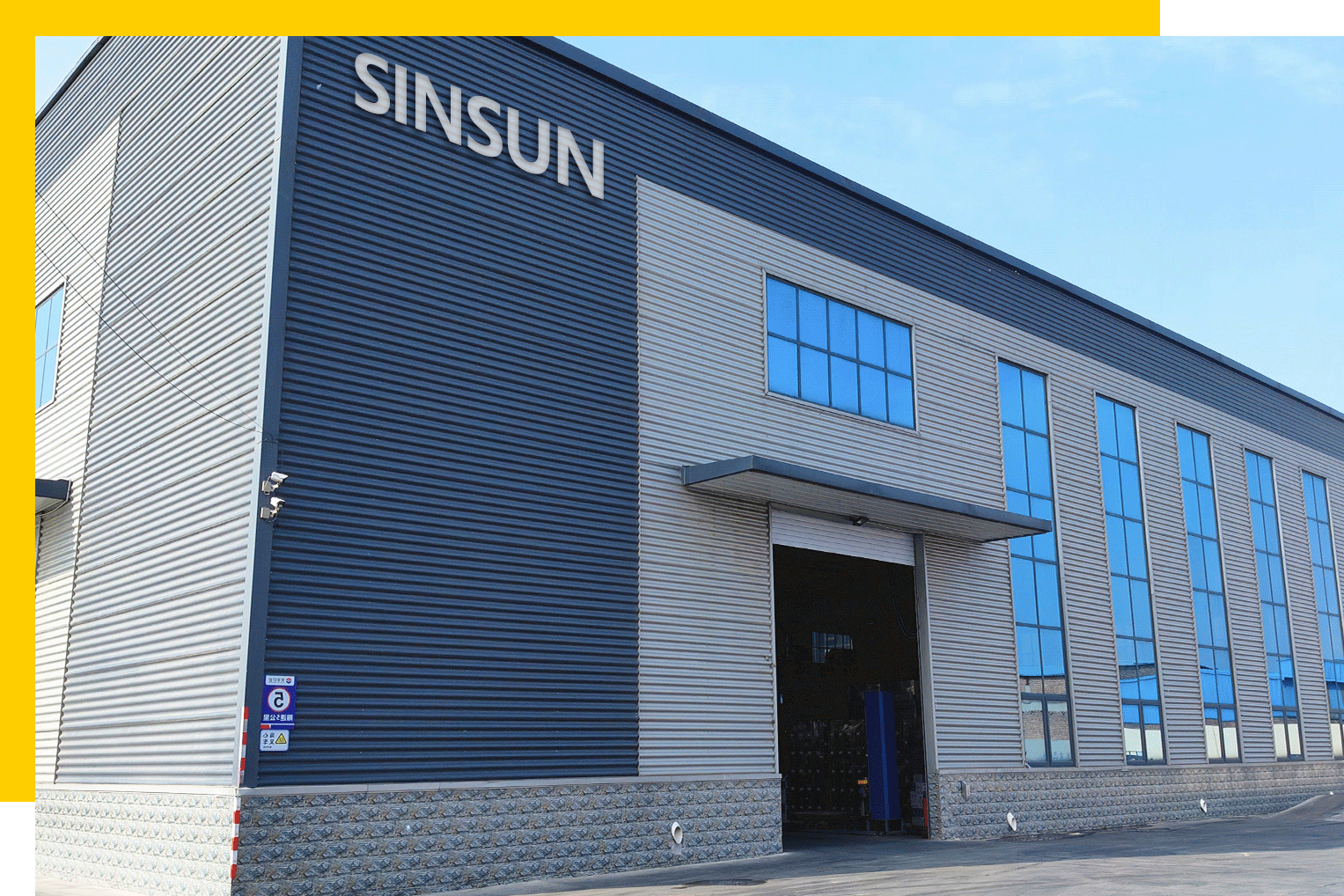
Combining German multi-station heading machines, Taiwanese cold forming processes, and internal raw material sourcing logic.
Our manufacturing floor utilizes German multi-station cold heading blocks and Taiwanese engineering protocols. This guarantees an axial concentricity tolerances under ±0.02mm, allowing flawless fitment with mating industrial components.
We source raw carbon and alloy steel wires directly from Xing Tai Steel. We control the process from raw spheroidizing annealing to internal wire drawing, optimizing grain alignment to yield a high material strength (>1,000 MPa).
Upgraded in 2025, our thermal facility features four automated heat treatment lines. By controlling austenitizing and tempering zones, we establish a reliable hardness range (HRC 28-32) that prevents hydrogen embrittlement.
A reference table explaining key structural grades, raw materials, thermal thresholds, and target environments for industrial applications.
| Bolt Grade (ASTM) | Matching Nut Grade | Material Core Type | Operational Temp Range | Primary Industrial Applications |
|---|---|---|---|---|
| A193 Grade B7 | A194 Grade 2H | Chromium-Molybdenum Steel (AISI 4140) | -29°C to 427°C (-20°F to 800°F) | Oil & Gas refineries, pipelines, high pressure flange connections. |
| A193 Grade B7M | A194 Grade 2HM | AISI 4140 Steel, Controlled Hardness (HRC 22 max) | -29°C to 427°C (-20°F to 800°F) | Sour gas pipelines (NACE MR0175/ISO 15156 compliant environments). |
| A193 Grade B16 | A194 Grade 4 or Grade 7 | Chromium-Molybdenum-Vanadium Alloy Steel | Up to 524°C (975°F) | Power plants, steam turbine casings, boiler heat exchangers. |
| A320 Grade L7 | A194 Grade 4 or Grade 7 | Alloy Steel (AISI 4140), Liquid Quenched & Tempered | -101°C to 400°C (-150°F to 750°F) | Cryogenic valve networks, LNG transport terminals, arctic platforms. |
| A193 Grade B8 (Cl.1/Cl.2) | A194 Grade 8 | AISI 304 Stainless Steel (Austenitic) | -196°C to 800°C (-320°F to 1472°F) | Chemical processing plants, deep marine setups, food processing. |
| A193 Grade B8M (Cl.1/Cl.2) | A194 Grade 8M | AISI 316 Stainless Steel (Molybdenum enhanced) | -196°C to 800°C (-320°F to 1472°F) | Offshore oil platforms, marine desalination facilities. |
Uncoated carbon steel fasteners are susceptible to surface oxidation and chemical decay. To prevent structural degradation, Sinsun offers custom structural coatings designed to withstand demanding environments:
A legacy of expansion, technological integration, and vertical processing control since 2006.
Sinsun established its foundational plant with a core focus on specialized self-tapping screws and precision threaded hardware, laying the groundwork for vertical manufacturing integration in Northern China.
Sinsun established its dedicated Export Division, enabling high-tensile fasteners to reach industrial buyers across South America, the Middle East, Southeast Asia, and Russia.
To control structural quality from the raw material stage, Sinsun integrated four advanced spheroidizing furnaces and internal wire-drawing equipment, enabling complete control over core mechanical properties.
We upgraded our manufacturing floor with high-speed multi-station cold heading machines imported from Germany. This investment allowed us to expand our product lines to include heavy-duty self-drilling fasteners and specialized industrial components.
Achieved an annual output of 36,000 tons of fasteners, shipping over 1,100 containers globally, positioning Sinsun as a preferred supplier for large-scale infrastructure projects.
Sinsun established a modern 12,000㎡ smart warehouse, housing over 18,000 pallet positions. This investment allowed us to maintain ready-stock reserves to meet tight construction deadlines.
Integrated four state-of-the-art continuous heat-treatment lines to ensure uniform mechanical properties and consistent tensile strength across all fastener grades.
Why OEM sourcing from Northern China's largest fastener hub delivers reliable performance, price predictability, and strict quality control.

Northern China has established itself as a premier global hub for high-tensile hardware. This regional manufacturing ecosystem brings together raw material sourcing, wire drawing, automated cold heading, and precision threading into one streamlined supply chain. This concentration of resources minimizes logistical delays and optimizes material handling costs.
Sinsun Hardware leverages these regional advantages at our 30,000 sqm production facility. By integrating our processes with domestic steel mills like Xing Tai Steel, we mitigate raw material price fluctuations and secure consistent metallurgy. This allows us to offer global distributors and EPC contractors predictable pricing and reliable lead times.
Furthermore, our proximity to Tianjin Port enables fast container dispatch. Working with our logistics team, we handle all custom clearance, maritime packing, and shipping documentation, ensuring smooth delivery to major ports worldwide.
We provide tailormade box designs, palletization, and custom barcode labels, enabling retail-ready distribution and seamless inventory scanning upon arrival.
Our engineering team delivers detailed 2D/3D CAD drawings and rapid prototype samples, ensuring custom dimensions and thread configurations meet your specifications before mass production.
Our smart warehouse manages shipping schedules to ensure continuous inventory. We offer flexible shipping arrangements (FOB, CIF, DDP) to match your supply chain strategy.
How clean energy transitions, infrastructure modernization, and advanced materials shape the future of heavy fastening technologies.
Marine environments require fasteners that can withstand both structural stress and highly corrosive conditions. We supply super duplex alloy and hot-dip galvanized stud bolts designed to resist seawater exposure and structural fatigue in offshore wind foundations and subsea oil assemblies.
Refinery pipe lines experience high pressures and extreme thermal variations. Our ASTM A193 B7 stud bolts, paired with heavy-duty A194 2H hex nuts, maintain joint integrity and prevent leaks under demanding industrial conditions.
Liquid natural gas (LNG) and liquid hydrogen storage demand fasteners with cryogenic durability. Sinsun's ASTM A320 L7 stud bolts undergo Charpy V-notch impact testing to ensure they remain ductile at temperatures down to -150°F (-101°C).
The manufacturing sector is increasingly focusing on reducing environmental impact. Modern engineering projects are prioritizing fasteners made from recycled metals or processed using green hydrogen, minimizing the carbon footprint of structural assemblies.
Additionally, the industry is seeing the rise of smart fastening systems. Built-in sensor matrices measure real-time torque degradation and stress values within structural joints, sending data to automated maintenance systems. This technology helps prevent structural failures in critical infrastructure like railway bridges and deepwater platforms.
Sinsun Hardware continues to research and integrate sustainable metallurgical processes, aligning our manufacturing practices with global environmental standards.
Detailed technical answers addressing common challenges in fastener design, material selection, torque limits, and quality verification.
Standard hex bolts rely on an integrated forged head that creates a localized point of stress concentration where the shank meets the head. Under thermal cycling and high tension, this interface is susceptible to shear fatigue. A fully threaded stud bolt distributes tensile load symmetrically along its entire length. It uses two heavy hex nuts to manage tension, allowing for uniform load distribution. This makes stud bolts much more reliable for high-pressure flange connections and critical structural installations.
This combination is the standard specification for pressure piping and heavy industrial applications. The ASTM A193 B7 stud bolt is made from heat-treated Chromium-Molybdenum steel, providing a minimum tensile strength of 125 ksi (860 MPa). The matching ASTM A194 2H heavy hex nut is quenched and tempered to provide the hardness needed to withstand the bolt's high clamping force without thread stripping. Using matching grades ensures the assembly can handle high stress and thermal expansion without structural failure.
Hydrogen embrittlement is a serious risk for high-strength fasteners (tensile strength > 1000 MPa). It occurs when atomic hydrogen penetrates the steel during acid pickling or electroplating processes. To prevent this, Sinsun uses controlled mechanical cleaning processes wherever possible. For fasteners that require electroplating, we bake them in specialized ovens (typically at 200°C for 4 to 24 hours depending on material class) immediately after plating. This process releases any trapped hydrogen, ensuring the fastener retains its structural integrity.
Class 1 fasteners are carbide solution treated, providing excellent corrosion resistance but standard yield strengths. Class 2 fasteners undergo carbide solution treating followed by strain hardening. This strain hardening process significantly increases their yield and tensile strength, making them suitable for high-pressure applications where both corrosion resistance and structural capacity are required.
PTFE coatings reduce the friction coefficient of the threads, meaning less torque is needed to achieve the target clamping force. When using PTFE-coated stud bolts, torque values typically need to be reduced by 30% to 40% compared to dry, uncoated fasteners. Failing to adjust torque values can lead to over-tightening, thread damage, or bolt yielding. Sinsun provides torque coefficient charts for all coated products to ensure correct installation.
Our quality control program includes: dimensional verification using digital micrometers, hardness testing (Rockwell/Vickers), tensile and proof load testing, Charpy impact testing for low-temperature grades, magnetic particle inspection for surface defects, salt spray testing for protective coatings, and chemical composition analysis using optical emission spectrometers. Each shipment comes with a certified material test report (MTR) detailing all test results.
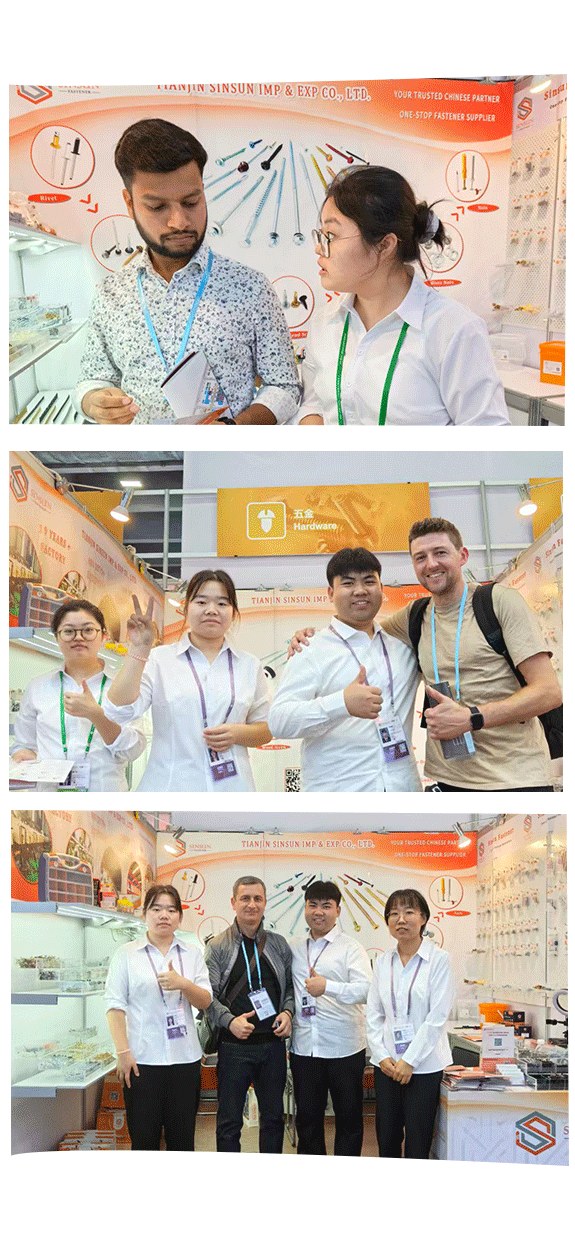
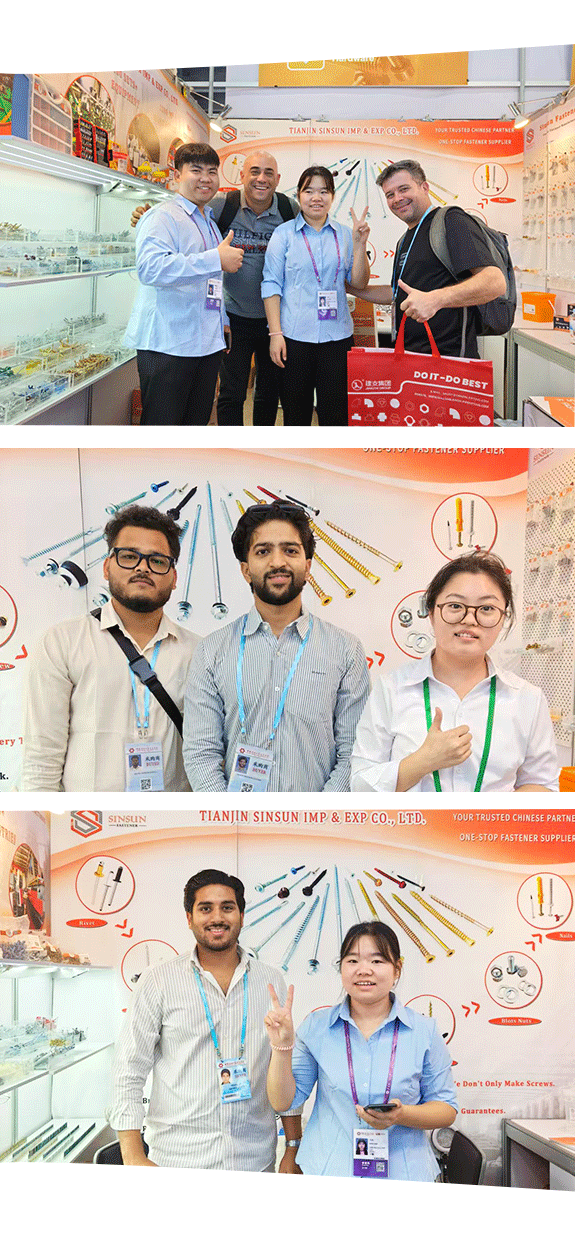
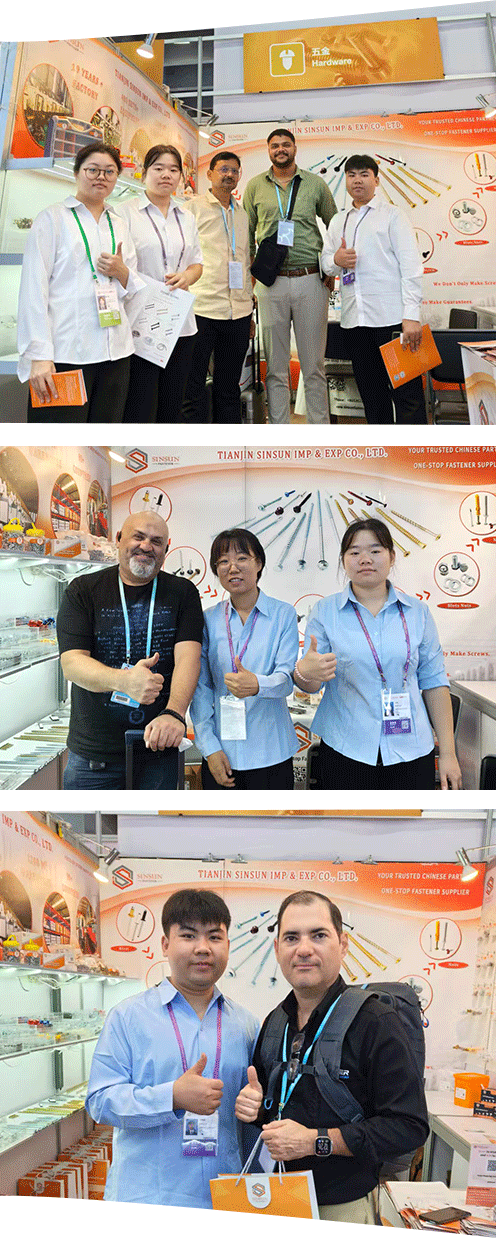
Our facility hosts regular visits from international buyers, engineering teams, and quality auditors. We also participate in global fastener exhibitions to showcase our production capabilities.
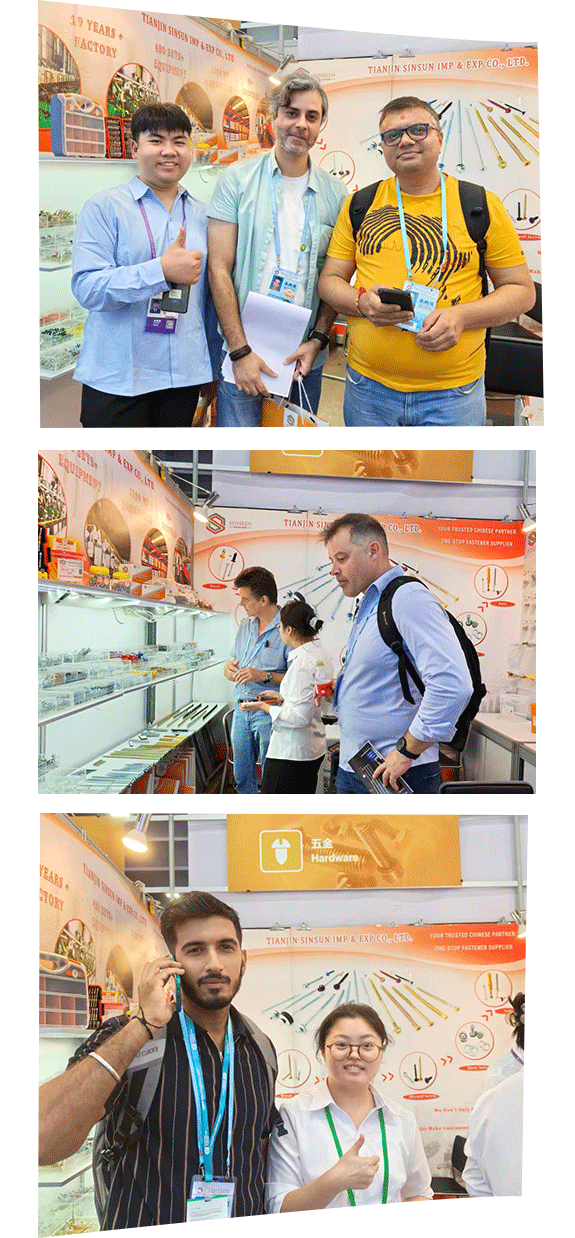
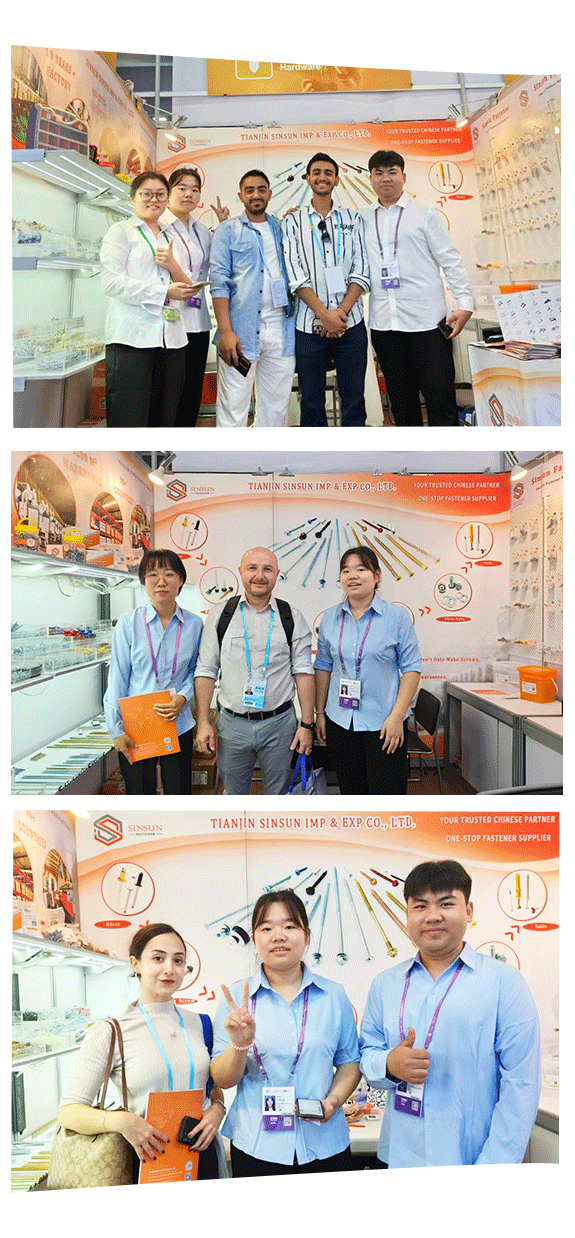
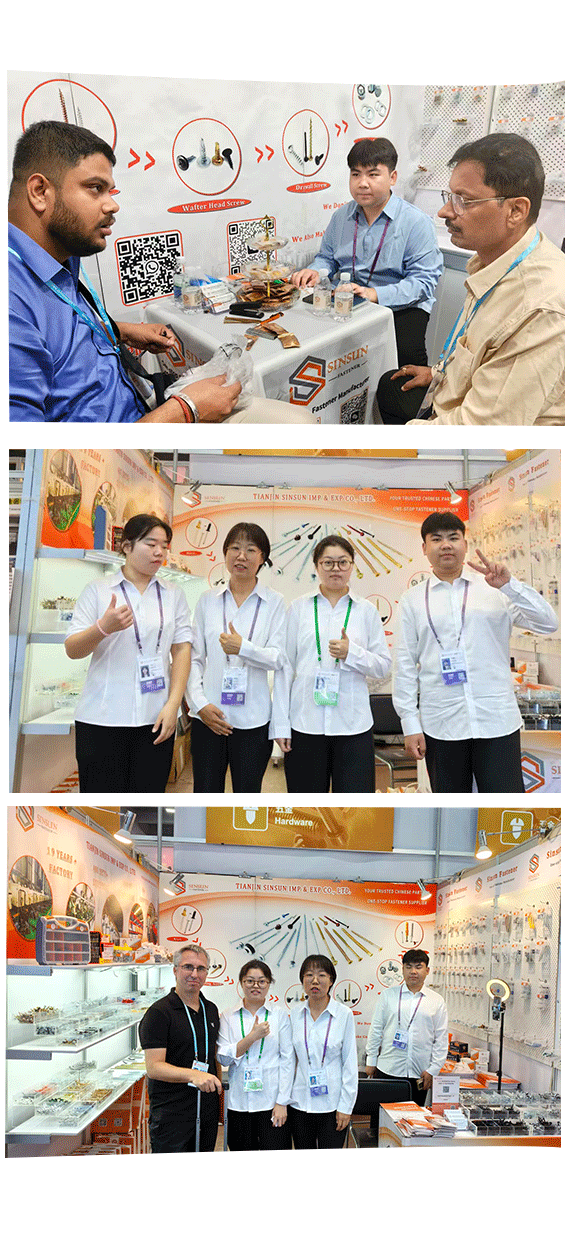
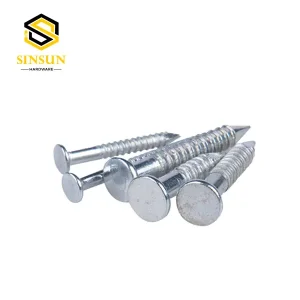
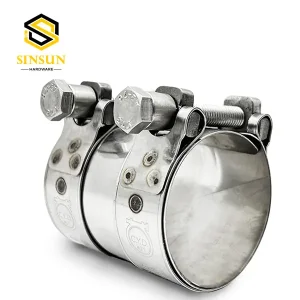
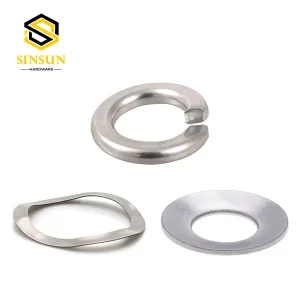
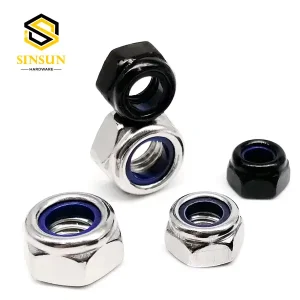
Explore our specialized range of structural components, including roofing nails, wood screws, spring washers, and locking nuts designed to resist heavy vibrations.
Submit your project specification requirements. Our engineering and sales support team will review your parameters and provide a comprehensive proposal within 24 hours.