1 / 1
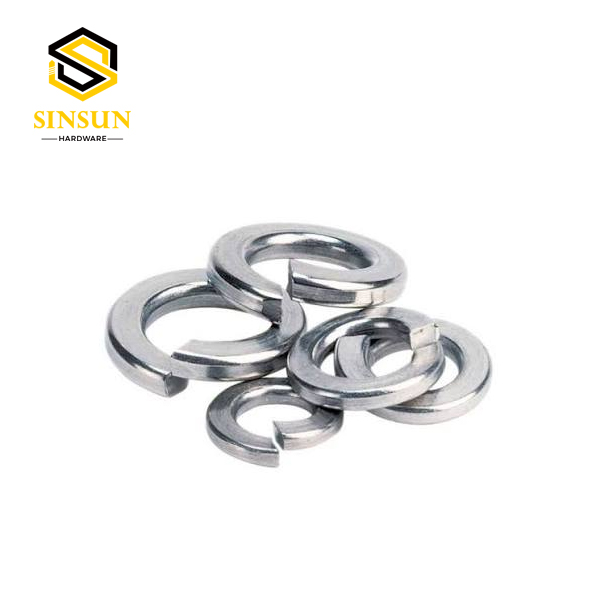
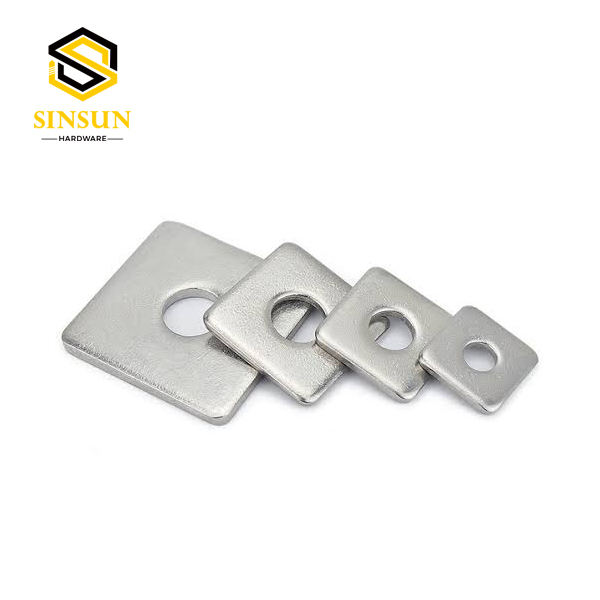
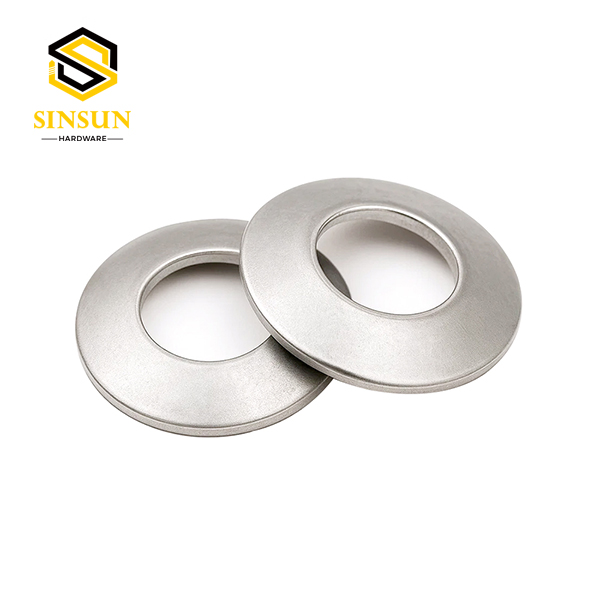
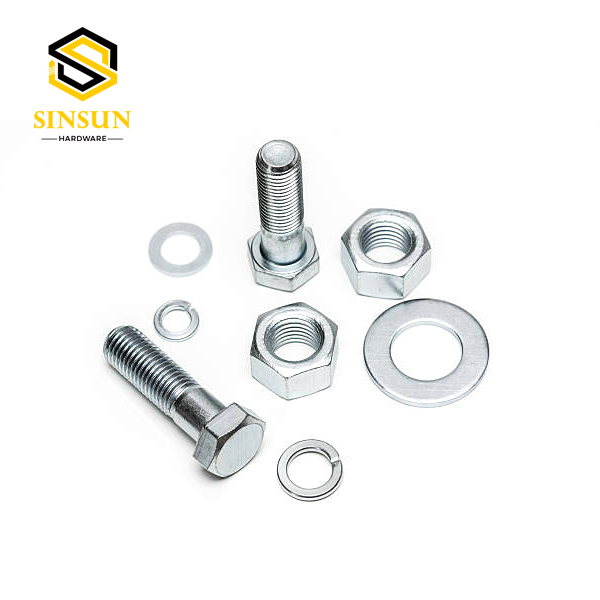
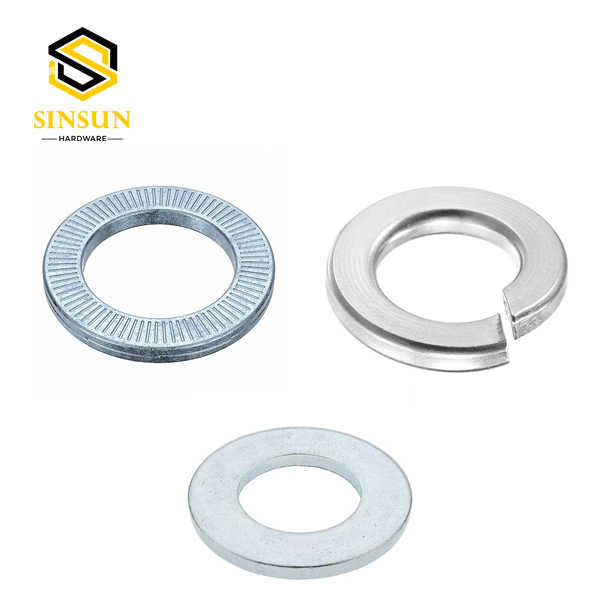
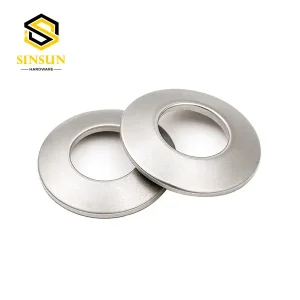
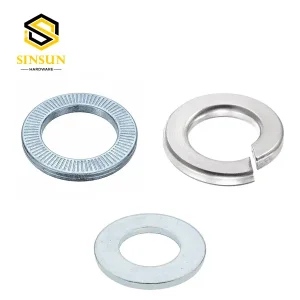
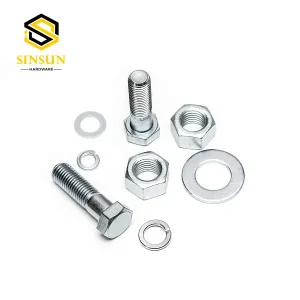
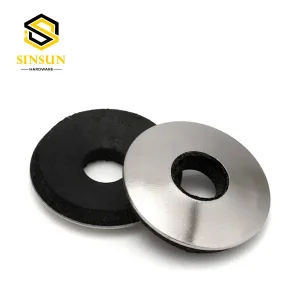
Washers are primarily used to distribute the load of a threaded fastener like a bolt or nut. They help prevent damage to the joint surfaces, prevent leakage, and stop the fastener from loosening due to vibration.
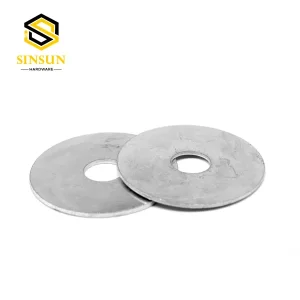
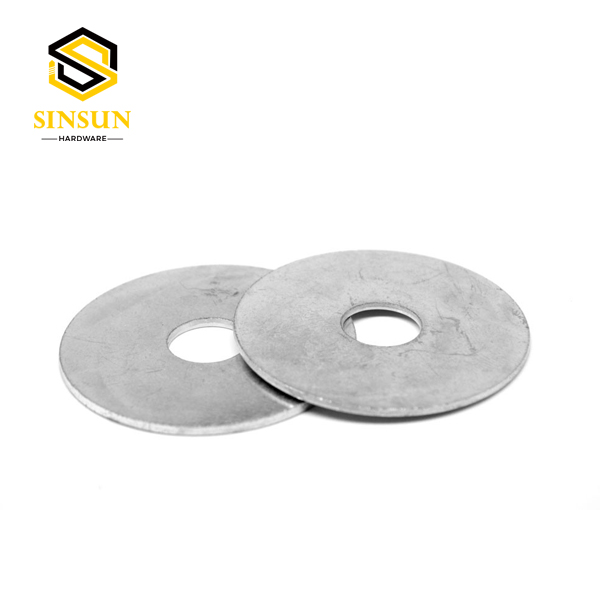
Fender washers have a significantly larger outer diameter compared to their inner diameter. This design allows them to distribute the clamping force over a much wider surface area, making them ideal for thin materials like sheet metal or wood.
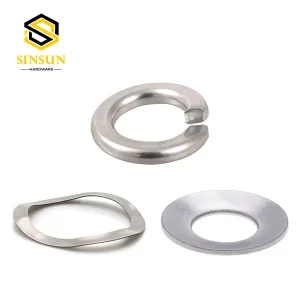
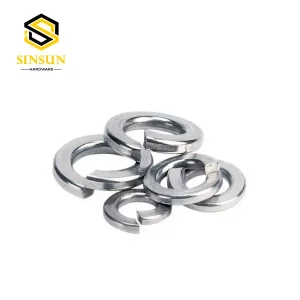
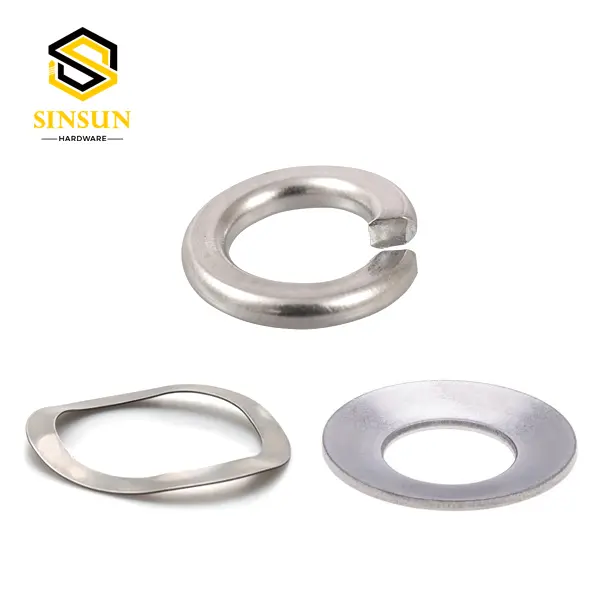
Lock washers should be used in high-vibration environments where bolts are prone to backing out. While flat washers distribute the load, lock washers exert a continuous spring force to keep the fastener secured against loosening.
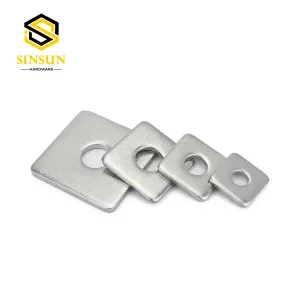
Square washers provide a greater contact surface area than standard round washers. They are commonly used in structural steel construction and heavy-duty timber joints, preventing the washer from spinning and reducing the risk of pulling through the material.
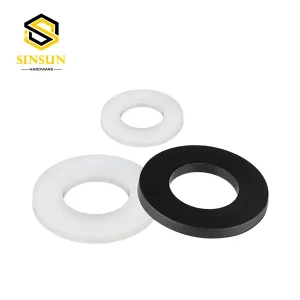
Yes, using non-conductive washers or washers made of specific compatible materials can act as a barrier to prevent galvanic corrosion when joining two dissimilar metals.