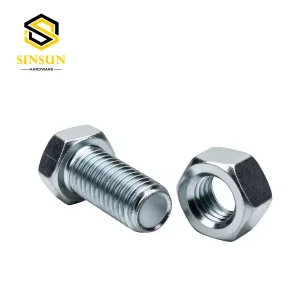
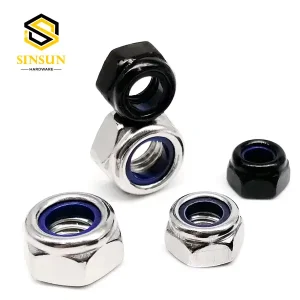
In high-vibration and high-fatigue structural assemblies, mechanical fastener loosening remains one of the primary causes of system failure. Self-Locking Hex Nuts, commonly designated as Nylon Insert Lock Nuts (or Nyloc Nuts), present an engineered solution to this critical industry challenge. Featuring a built-in polymeric collar (typically nylon), these nuts create constant friction along the mating bolt threads, establishing a reliable "prevailing torque" that resists unintentional backing off.
Unlike standard fasteners, nylon insert hex nuts utilize elastic deformation within the collar. When a male thread enters the nut, it forces its way through the unthreaded nylon insert, pushing the collar outward. The elastic recovery forces of the nylon grip the bolt thread flanks, creating a tight radial friction lock that dampens vibrations, resists dynamic shock loads, and prevents structural degradation. As a premier manufacturer, Sinsun Hardware produces high-specification OEM self-locking hex nuts designed to conform to strict international dimensional and tensile standards, including DIN 985, DIN 982, and ISO 7040.
The integrated nylon collar provides high prevailing torque, ensuring the assembly remains tight under continuous vibration without the need for lock washers.
Coated with zinc electroplating, hot-dip galvanization, or Dacromet finish, ensuring corrosion resistance exceeding 1,000+ hours of continuous salt spray testing.
Cold-headed using multi-station tooling to achieve dimensional tolerances within ±0.02mm, ensuring consistent fitment with industrial bolts.
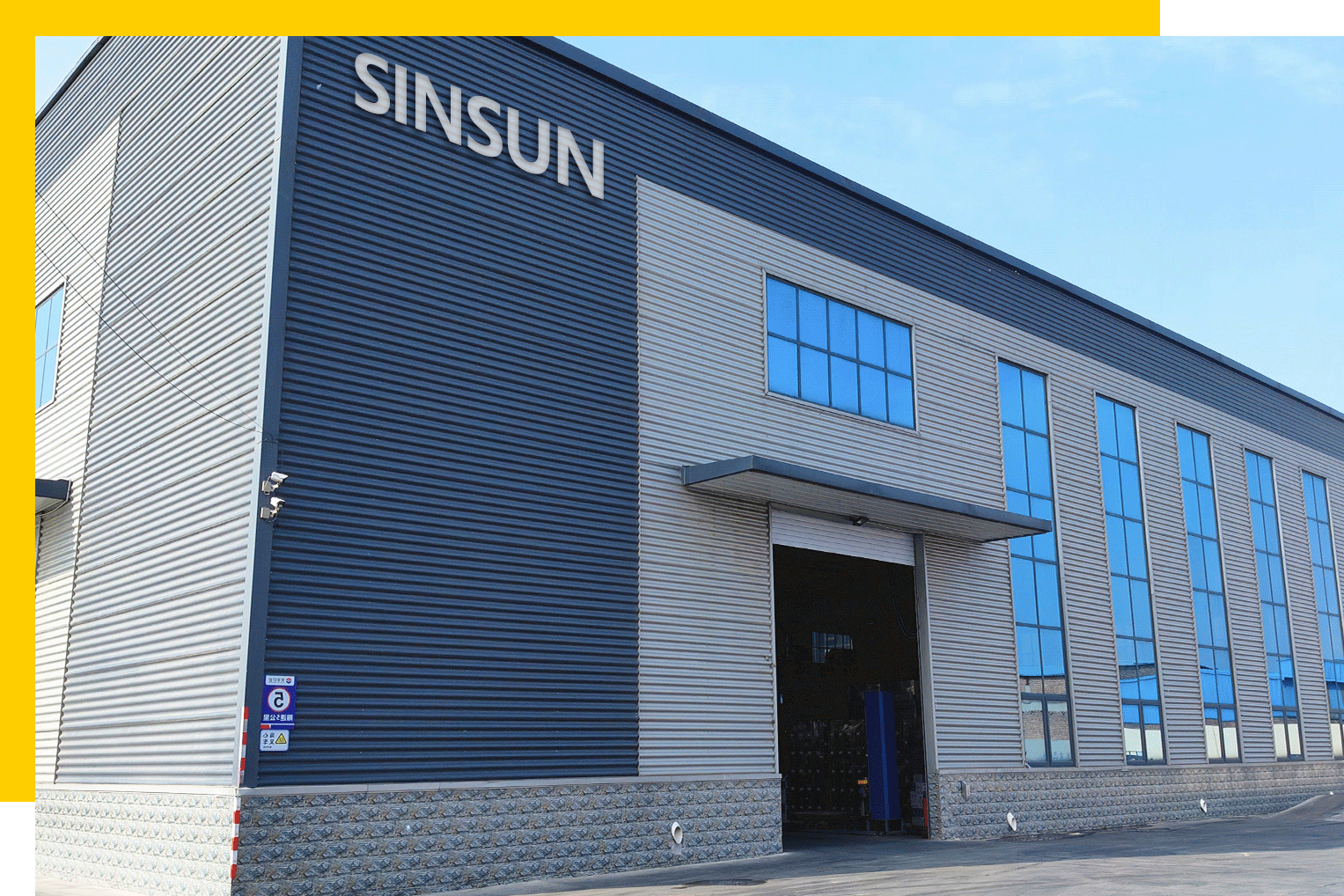
Established in 2006, Sinsun Hardware has emerged as a premier force in the global industrial fastener manufacturing sector. Rooted in Northern China's largest self-tapping screw production hub, we operate a massive 30,000 square meter integrated facility. To ensure rapid shipping and supply chain reliability, we run a 12,000 square meter smart warehouse capable of holding over 18,000 pallets.
Sinsun Hardware leverages German multi-station cold heading systems and precision Taiwanese tooling to fabricate a catalog of over 20,000 SKUs, including nails, screws, wires, and customized lock nuts. Annually, we dispatch over 8,500 shipping containers to key distribution networks in the Middle East, Southeast Asia, South America, and Russia. Our focus is simple: high technical capability, exceptional quality assurance, and unyielding reliability.
We manufacture nylon hex nuts to exact global parameters. Below is the technical breakdown comparing standard specifications across DIN 985 (low profile) and DIN 982 (high profile) designs.
| Nut Type (Metric) | Normative Standard | Material Class / Grade | Thread Sizes Range | Coating / Finish Options | Core Application |
|---|---|---|---|---|---|
| DIN 985 (Low Profile) | DIN / ISO 7040 | Class 5, 8, 10 Carbon Steel / SS304 / SS316 | M3 - M48 | Zinc (Cr3+), Zinc-Nickel, Dacromet, Plain | General machinery, space-restricted housings |
| DIN 982 (High Profile) | DIN 982 | Class 8, 10, 12 High Tensile Carbon Steel | M5 - M24 | Hot Dip Galv, Zinc Yellow, Geomet | Heavy automotive suspension, structural beams |
| UNC/UNF Nyloc Nuts | ASME B18.16.6 | Grade A, B, C, F, G Steel | #4 to 1-1/2" | Zinc Clear, Cadmium plated, Black Oxide | North American agricultural machinery, Oil & Gas |
| Custom Self-Locking Nuts | OEM Designs | Duplex Stainless Steel / Brass / Alloy 400 | Upon Request | PTFE Coating, Anodized, Customized Plating | Marine, high-saline offshore platforms |
Sinsun began with a singular focus: to build a specialized factory dedicated to industrial fastening components. This laid the foundation for our manufacturing quality standards.
Sinsun established its dedicated Export Department, allowing us to supply raw fasteners directly to industrial distributors and global logistics chains across all continents.
Upgraded control over metallurgical purity by adding four spheroidizing furnaces and processing our raw wire drawing in-house. This allowed us to ensure chemical structural uniformity from the start.
Sinsun purchased high-speed German multi-station cold heading machinery, establishing a step-change in dimensional tolerance repeatability and mechanical strength capability.
Annual manufacturing output scaled to 36,000 metric tons, and international distribution exceeded 1,100 high-capacity export containers shipped worldwide.
Opened a dedicated 1,200 square meter localized quick-delivery warehouse, facilitating instant component dispatch for high-frequency OEM partners.
Integrated four continuous-atmosphere heat treatment lines, securing independent control over hardening, quenching, and tempering to eliminate internal stresses.
We source our steel coils directly from premier metallurgical houses such as Xingtai Iron & Steel. This gives us full traceability and control over raw chemistry (carbon, silicon, manganese, phosphorus, sulfur) before drawing begins.
Operating a vertically integrated facility (from raw material wire drawing, cold heading, threading, nylon ring insertion, in-house heat treatment to automated packaging) eliminates intermediate margins.
Our Northern China facility features direct logistics routes to major shipping ports like Tianjin. This ensures efficient transit, regular vessel space, and reduced port-handling fees.
Global procurement teams must balance unit costs with compliance requirements. At Sinsun Hardware, we align our manufacturing practices with international regulations. Every batch of self-locking hex nuts with nylon inserts undergoes testing to verify compatibility and chemical safety:
Our Quality Assurance system includes 12+ inspection points throughout the manufacturing flow:
Nylon hex nuts serve as safety-critical locking elements across many engineering domains, including:
Securing chassis elements, control arms, and motor mounts. Nylon lock nuts help prevent component backing-off caused by engine vibration and variable road conditions.
Wind turbine nacelles and solar tracker frames experience heavy wind fatigue. Our high-tensile nyloc nuts remain secure under continuous wind loads.
Tractors, tillers, and harvesters work in challenging outdoor environments. Our Class 8 hot-dip galvanized lock nuts withstand dirt, moisture, and high shear forces.
Industrial demand is shifting toward lighter components, circular economies, and toxic-free surface finishes. Sinsun Hardware is adapting its manufacturing processes to meet these changing industry needs:
1. Bio-Based Polymer Inserts: We are testing bio-based polyamides derived from renewable castor oil to replace petroleum-derived nylon rings, reducing the carbon footprint of structural assemblies.
2. Advanced Trivalent Zinc Coatings: We are transitioning from traditional plating processes to trivalent chromium passivation systems that offer improved salt spray resistance without the health risks of hexavalent chromium.
3. Low-Friction Torque Coatings: Custom topcoat lubricants are applied to mating threads to ensure predictable assembly torque values and reduce the risk of thread galling in stainless steel components.
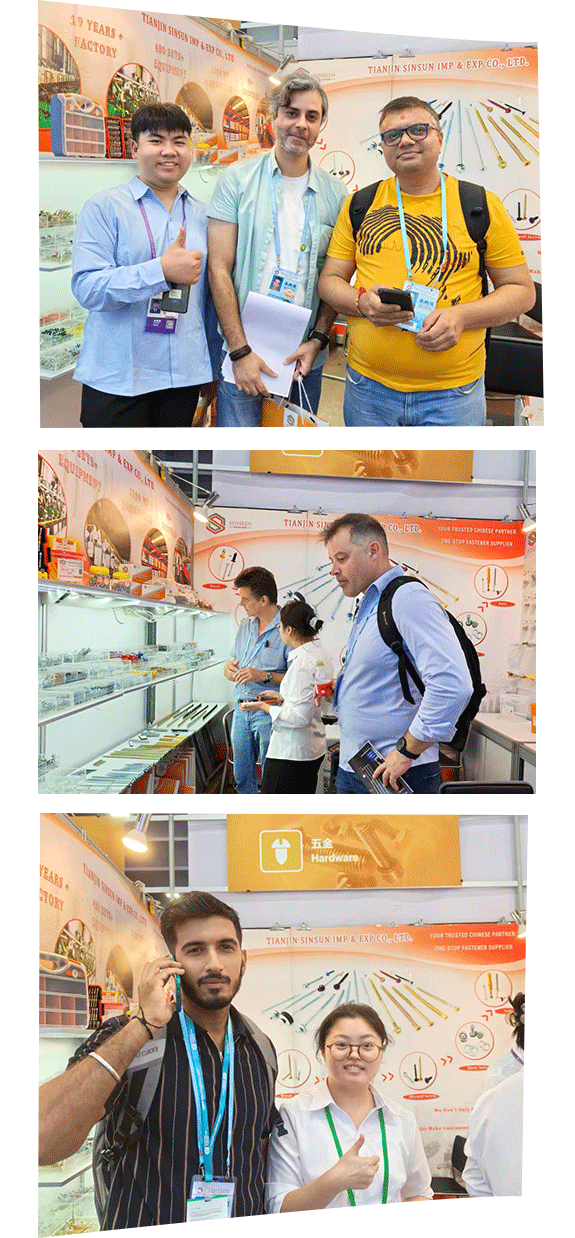
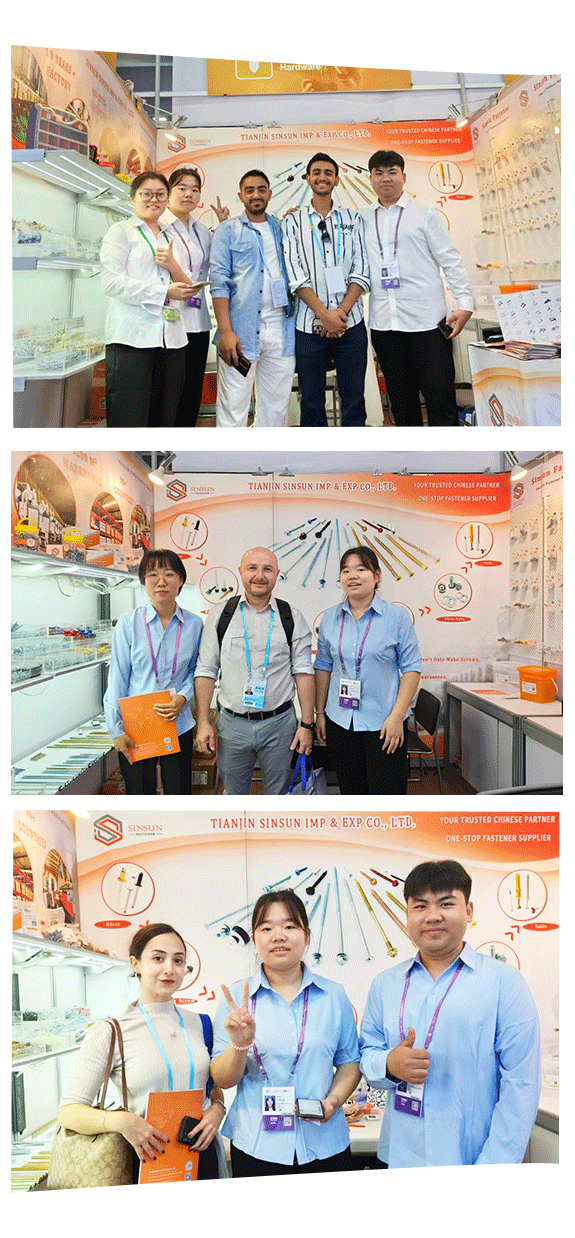
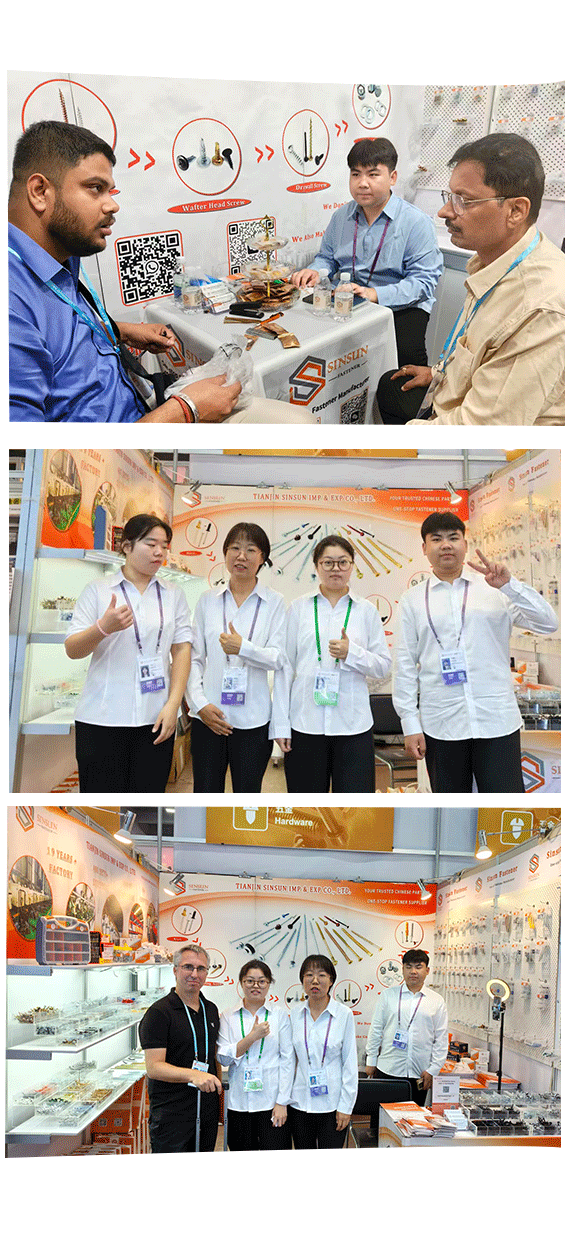
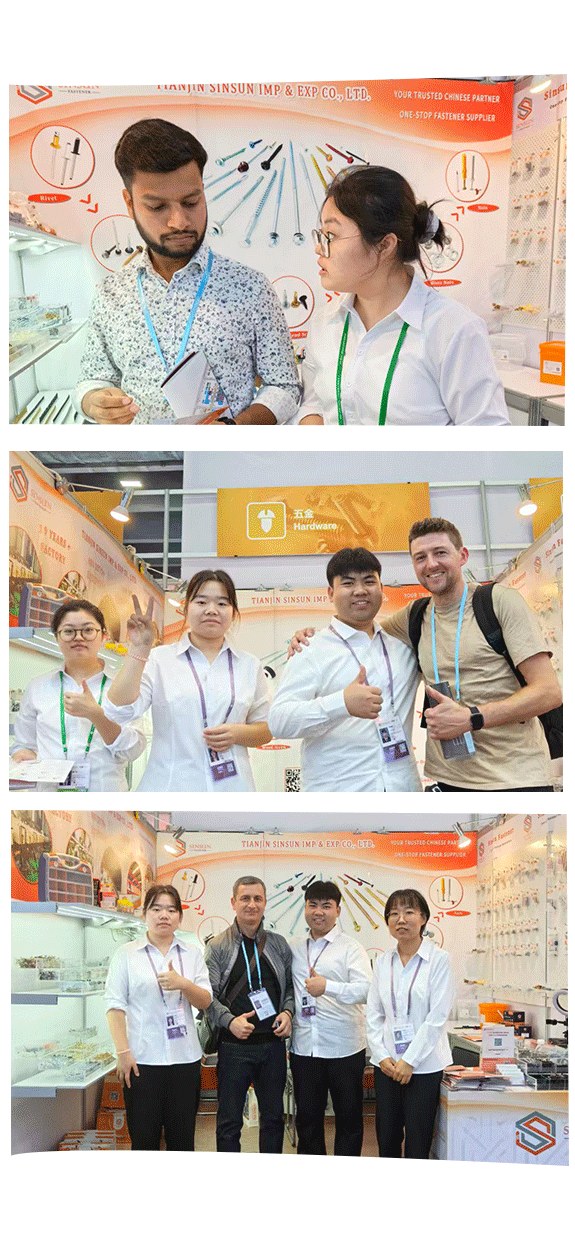
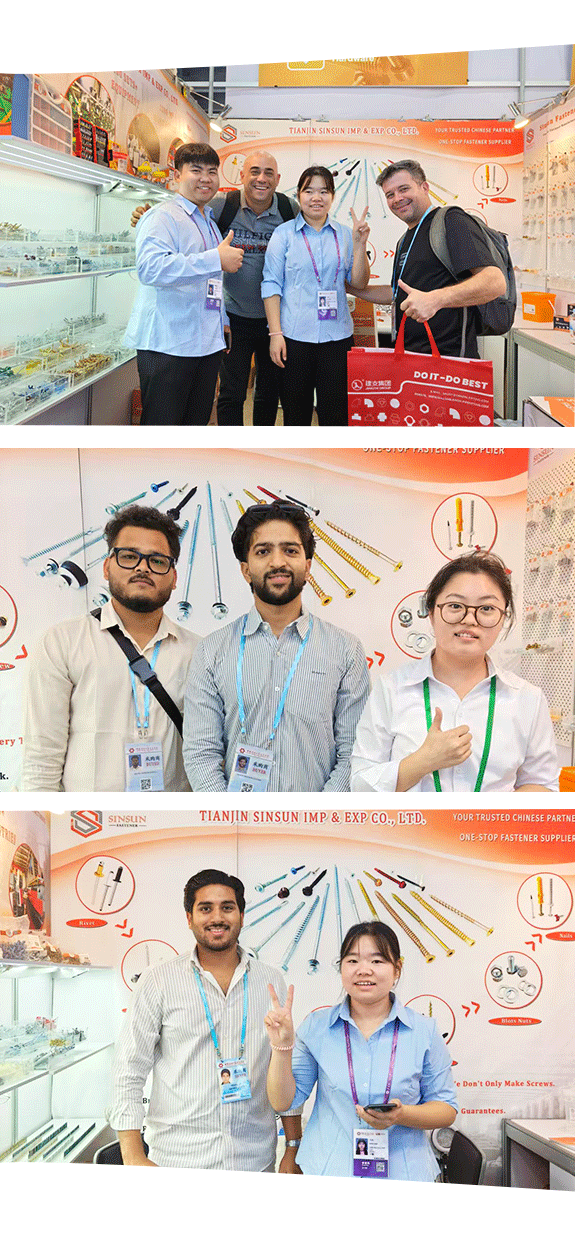
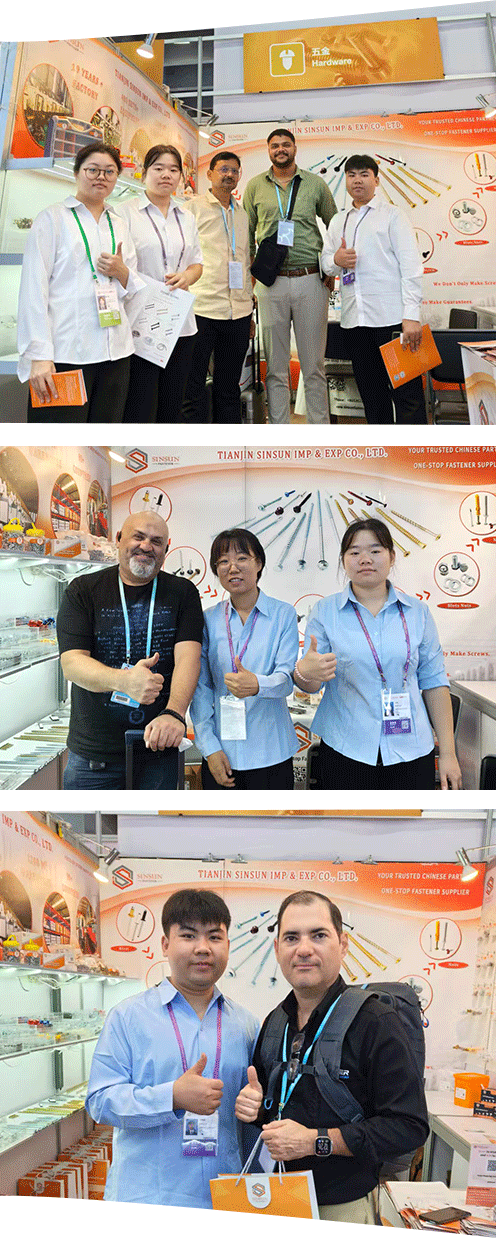
We host regular plant audits and client visits at our facility in Northern China, and actively participate in international industrial hardware exhibitions to support our global partnerships.