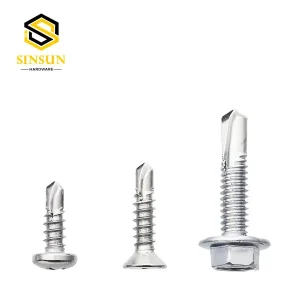
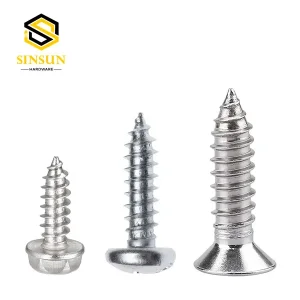
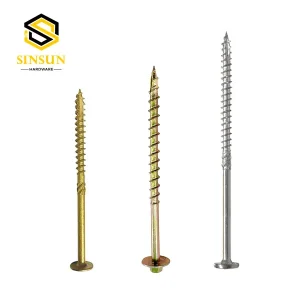
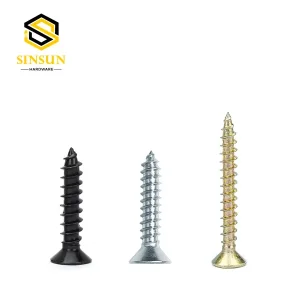
High-tensile steel wire forms the skeletal backbone of modern infrastructure, heavy machinery, automotive components, and high-performance fasteners. Operating at structural thresholds that require tensile strengths starting from 1,000 MPa upwards of 2,200 MPa, these wire systems require advanced steel treatment and custom metallurgy. Selecting an ODM High-Tensile Steel Wire Supplier is not simply a procurement decision; it is an engineering partnership that demands rigorous raw material control, precision cold drawing, and customized heat-treatment profiles.
Sinsun Hardware, established in 2006, represents the pinnacle of industrial capacity in Northern China. Combining premium raw steel stock with high-efficiency German and Taiwanese cold-heading technologies, we deliver custom steel wire and structural fastener configurations designed to meet demanding engineering specifications globally. Through vertical integration, Sinsun ensures every phase of production—from spheroidizing annealing to final coating systems—is managed under one roof.
"True quality in high-tensile fasteners is determined at the atomic level. By using spheroidized pearlitic steel structures, Sinsun Hardware guarantees uniform hardness and eliminates internal stress profiles that cause catastrophic brittle failure in cold-drawn fasteners."
— Chief Metallurgical Engineer, Sinsun Hardware
By bypassing mid-tier processors and drawing raw materials directly from premium mills like Xingtai Iron & Steel, Sinsun controls the exact chemical composition of every batch. This guarantees consistent yield strength, minimal carbon segregation, and maximum fatigue resistance under cyclic dynamic loading.
True authority is earned over decades of continuous improvement, industrial investments, and engineering breakthroughs. Our development timeline demonstrates a solid trajectory of growth, capability enhancement, and operational scale.
Sinsun began with a singular focus: to build a factory dedicated to self-tapping screws. This foundational specialization established our core expertise from the ground up, remaining the commitment behind every screw we manufacture today.
The year 2012 marked a pivotal step for Sinsun with the establishment of our Export Department. From that point forward, our specialized self-tapping screws began reaching industrial and commercial customers globally.
We expanded our control over quality by adding four spheroidizing furnaces for raw material processing and in-house wire drawing capabilities. This moved production beyond simple screw forming to complete, raw metallurgical grain control.
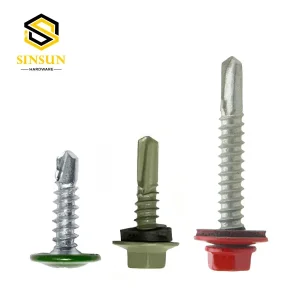
Production capability was enhanced with German multi-station cold heading machines. Concurrently, we expanded our product line to include a variety of high-performance drill tail screws, strengthening our manufacturing foundation.
Sinsun reached 36,000 tons in annual production and fulfilled international orders with over 1,100 export containers. This expansion demonstrated our capacity to deliver stable, high-volume orders to global distributors.
To support rapid deployment and daily distribution requirements, we integrated a 1,200-square-meter ready-stock distribution area within our overall 12,000-square-meter smart warehousing system.
The integration of four new advanced heat treatment lines significantly boosted in-house surface tempering and through-hardening capacity. This ensures optimal core ductility paired with high superficial wear resistance.
High-tensile wire is characterized by its ability to withstand massive elastic deformation without experiencing plastic yielding. The quality is controlled through specific chemical alloy formulations and rigorous thermal-mechanical processing. Below are the key characteristics that Sinsun engineers build into every custom run:
By heating low and medium carbon steels near AC1 critical temperatures for extended periods, carbon forms rounded cementite globules (spheroids). This optimizes the steel for cold forming by minimizing tool wear and eliminating internal shear cracks during cold heading.
Using carbide dies, the rod is pulled to reduce cross-sectional area. This process aligns grain boundaries along the drawing axis, increasing tensile yield strength and hardness while maintaining strict dimensional tolerances of ±0.02mm.
Utilizing high-performance surface finishes (including yellow zinc chromate, hot-dip galvanization, and proprietary organic barrier coatings), Sinsun fasteners withstand over 1,000 hours of continuous salt spray testing per ASTM B117 standards.
| Steel Grade / Category | Carbon Content (%) | Tensile Strength (MPa) | Core Hardness (HRC) | Primary Application Fields |
|---|---|---|---|---|
| Low Carbon (SAE 1008/1010) | 0.08% - 0.13% | 350 - 550 | HRB 60 - 75 | Brad nails, drywall fasteners, light-duty utility mesh |
| Medium Carbon (SAE 1022 / 1022A) | 0.18% - 0.23% | 750 - 1,020 | HRC 28 - 32 | Self-tapping metal screws, structural lag screws, sheet metal fasteners |
| High Carbon (SAE 1065 / 1085) | 0.60% - 0.90% | 1,200 - 2,100 | HRC 42 - 50 | Pre-stressed concrete wire, heavy suspension springs, high-tension guy wires |
| Alloy Wire (Boron-added 10B21) | 0.18% - 0.23% (Boron >0.0008%) | 1,040 - 1,220 | HRC 33 - 39 | Class 10.9 structural bolts, heavy-duty automotive engine fasteners |
Different markets present distinct mechanical challenges due to variations in climate, seismic requirements, and building codes. Sinsun's ODM process adapts to these regional conditions:
In bridge girder design and large-scale industrial floors, pre-stressed concrete (PC) tendons must support constant structural loads. Our high-tensile wire options are engineered for low relaxation profiles under high tension, preventing structural sagging over fifty-year cycles.
Fasteners installed along sea borders face rapid oxidation. Sinsun provides customized hot-dip galvanized and fluoropolymer-coated high-tensile screws. These finishes are designed to withstand high humidity and saline environments, preventing hydrogen embrittlement while retaining structural integrity.
Valves, transmissions, and shock absorbers require high-fatigue steel wire. Our ODM carbon wire rods undergo eddy-current surface scanning to identify micro-cracks or inclusions, preventing fatigue failure under high-frequency cycling.
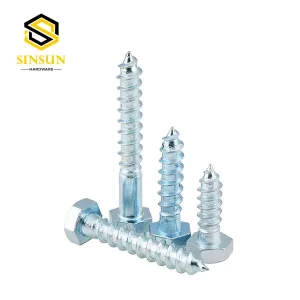
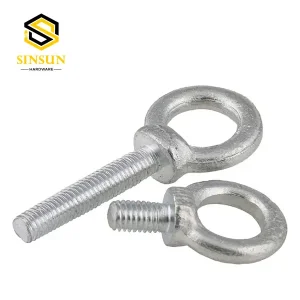
Heavy machinery operation can cause standard fasteners to back out. High-tensile lag bolts and custom eye bolts must combine thread engagement with high shear strength to resist loosening. Sinsun's precision Taiwanese tooling achieves dimensional tolerances of ±0.02mm, ensuring precise thread fitment.
Compliance Note: All structural materials exported to the European Union comply with CE EN 14592 standards for load-bearing timber and steel assemblies, backed by full ISO 9001:2015 tracking documentation.
Modern supply chains require more than just low per-unit pricing; they demand resilience, flexibility, and consistent output despite macroeconomic fluctuations. Sinsun Hardware's facility in Northern China leverages several structural advantages:
Located near large raw steel mills like Xingtai Iron & Steel, Sinsun maintains a steady supply of raw wire rods. This proximity minimizes raw material transport costs and buffers our factory against supply delays.
By conducting spheroidizing annealing, wire drawing, cold heading, thread rolling, heat treatment, and packaging within a single facility, Sinsun avoids logistical bottlenecks and preserves quality across production stages.
Our 12,000-square-meter smart warehouse allows us to stock raw materials and finished goods in quantity, mitigating price volatility and ensuring supply continuity for our long-term contract clients.
The manufacturing landscape for steel components is evolving rapidly due to automation, green initiatives, and strict carbon accounting requirements. Sinsun's technology roadmap outlines our strategy for the coming years:
Building on the four heat treatment lines introduced in 2025, we plan to transition our atmosphere-controlled hardening lines to fully automated SCADA systems. This ensures real-time carbon potential control within ±0.01%, minimizing surface decarburization.
We are partnering with steel mills utilizing hydrogen-reduction direct reduced iron (DRI) processes to offer lower carbon footprint high-tensile wire options, helping clients meet emerging scope 3 emission goals.
To support high-speed automated assembly lines that require zero defects, we are incorporating high-resolution 3D optical sorting sorting tables. These inspect up to 1,200 fasteners per minute, rejecting any units that deviate from target dimensions.
We are expanding coating offerings to include Zinc-Aluminum-Magnesium (ZAM) alloys, which provide up to three times the corrosion resistance of standard hot-dip galvanizing at a thinner profile, helping to preserve thread tolerances.
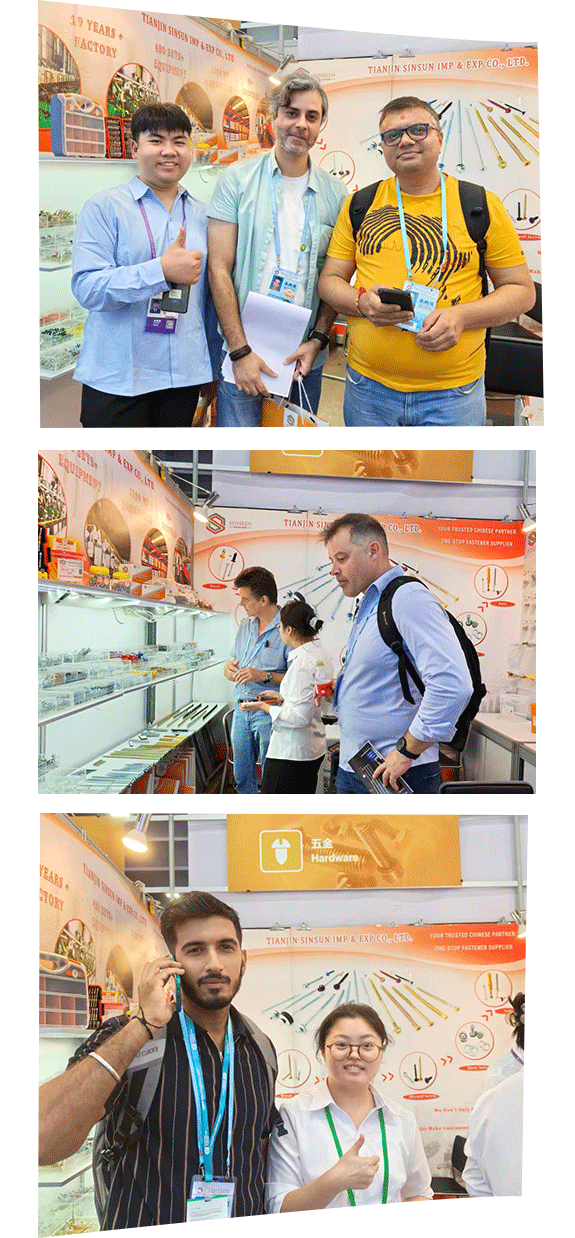
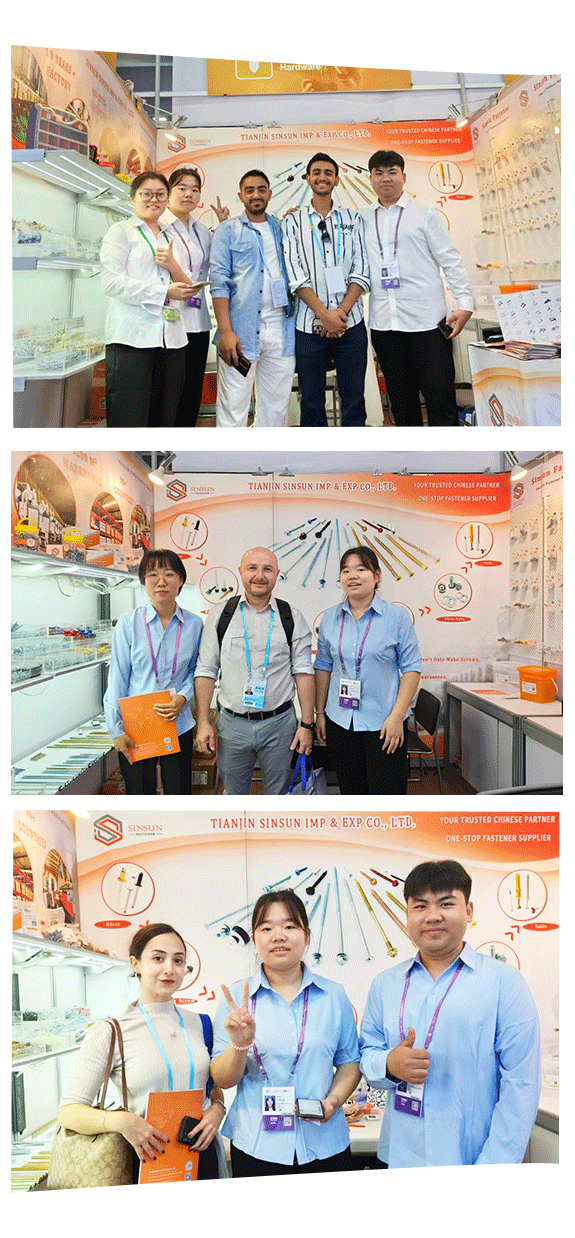
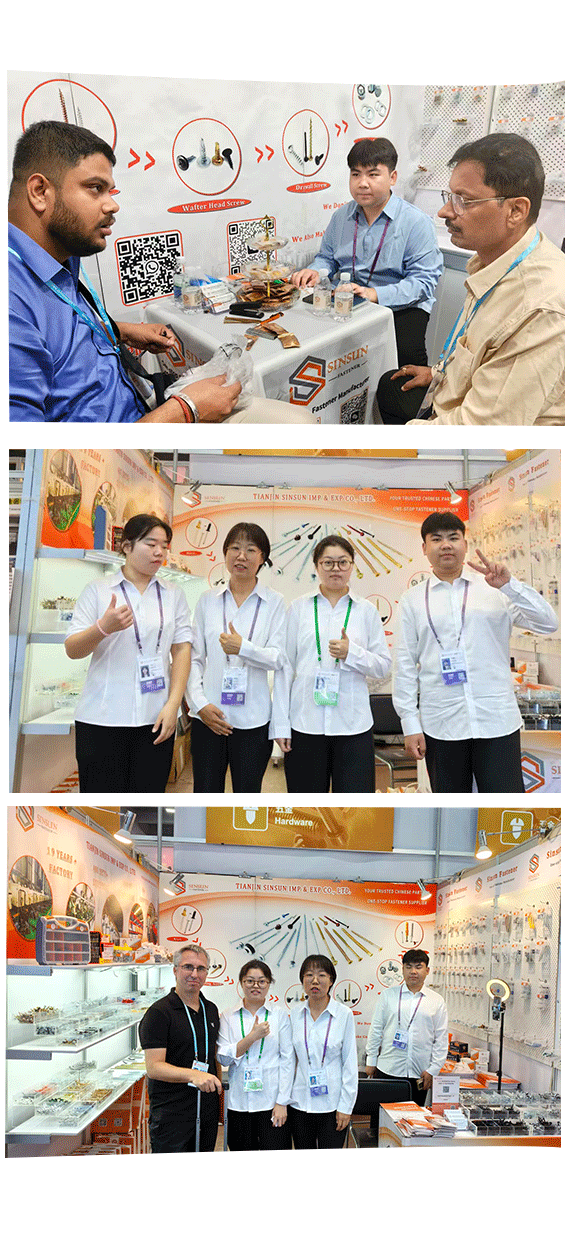
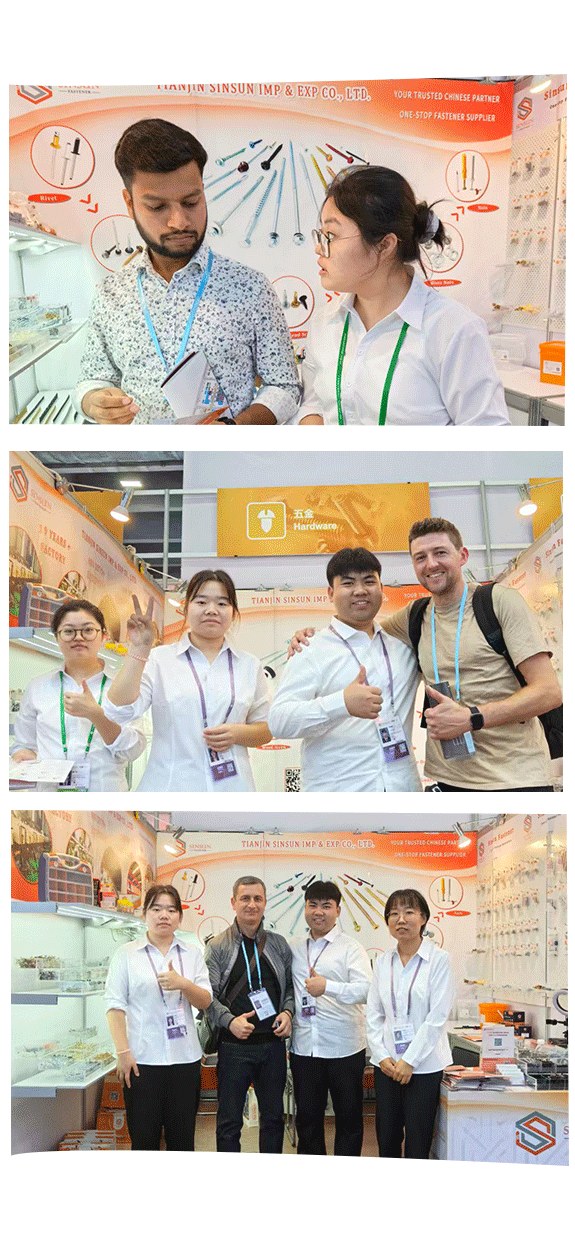
Sinsun Hardware operates with open doors. We host monthly visits from international clients, allowing them to inspect our manufacturing and testing facilities first-hand. Our testing laboratory is equipped with advanced quality control equipment, including:
Whether you represent an OEM distributor in Europe or an industrial buyer in South America, Sinsun's technical sales engineers assist from design to final shipping clearances, ensuring your custom orders meet your exact requirements.
Generally, high-tensile wire classification begins at tensile strengths of 1,000 MPa (Megapascals) and can exceed 2,200 MPa depending on carbon content and cold drawing passes. Medium carbon steels like 1022A achieve high-tensile properties through cold working and quench-and-temper heat treatments, which optimize them for self-drilling and self-tapping fasteners.
Hydrogen embrittlement is a risk for fasteners with hardness values exceeding HRC 32, particularly after acid pickling or electroplating. Sinsun mitigates this risk by baking components within 4 hours of electroplating, holding them at 200°C to 220°C for 4 to 8 hours. This process diffuses mobile hydrogen atoms out of the steel lattice.
Spheroidizing converts the standard lamellar pearlite structure of carbon steel into small, rounded cementite spheres within a ferrite matrix. This soft structural state provides optimal ductility, minimizing internal cracking risks during cold-heading deformation and extending the lifespan of cold forming tooling.
Yes, our ODM services include a variety of specialized coating systems. In addition to standard zinc plating, we offer Ruspert coatings, hot-dip galvanizing, and organic finishes designed to achieve over 1,000 hours of salt spray resistance (per ASTM B117 standards) without significant paint build-up that could affect thread alignment.