Understanding the chemistry, mechanics, and design pathways that ensure structural integrity in highly corrosive environments.
Stainless steel hex nuts are fundamental fastening components across various industries, including offshore oil extraction, chemical refinement, municipal wastewater treatment, and aerospace engineering. Because thread shear is a primary point of structural failure in bolted joints, selecting the correct combination of hex nut grades, thread profiles, and anti-galling coatings is vital for modern industrial systems.
For procurement officers and structural engineers, sourcing stainless steel hex nuts from China is no longer just a transaction based on unit price. Instead, it requires careful consideration of structural properties, metallurgical integrity, and supply chain transparency. Sinsun Hardware's production methods address these needs, delivering high-performance hex nuts that meet international standards (DIN 934, ASME B18.2.2, ISO 4032).
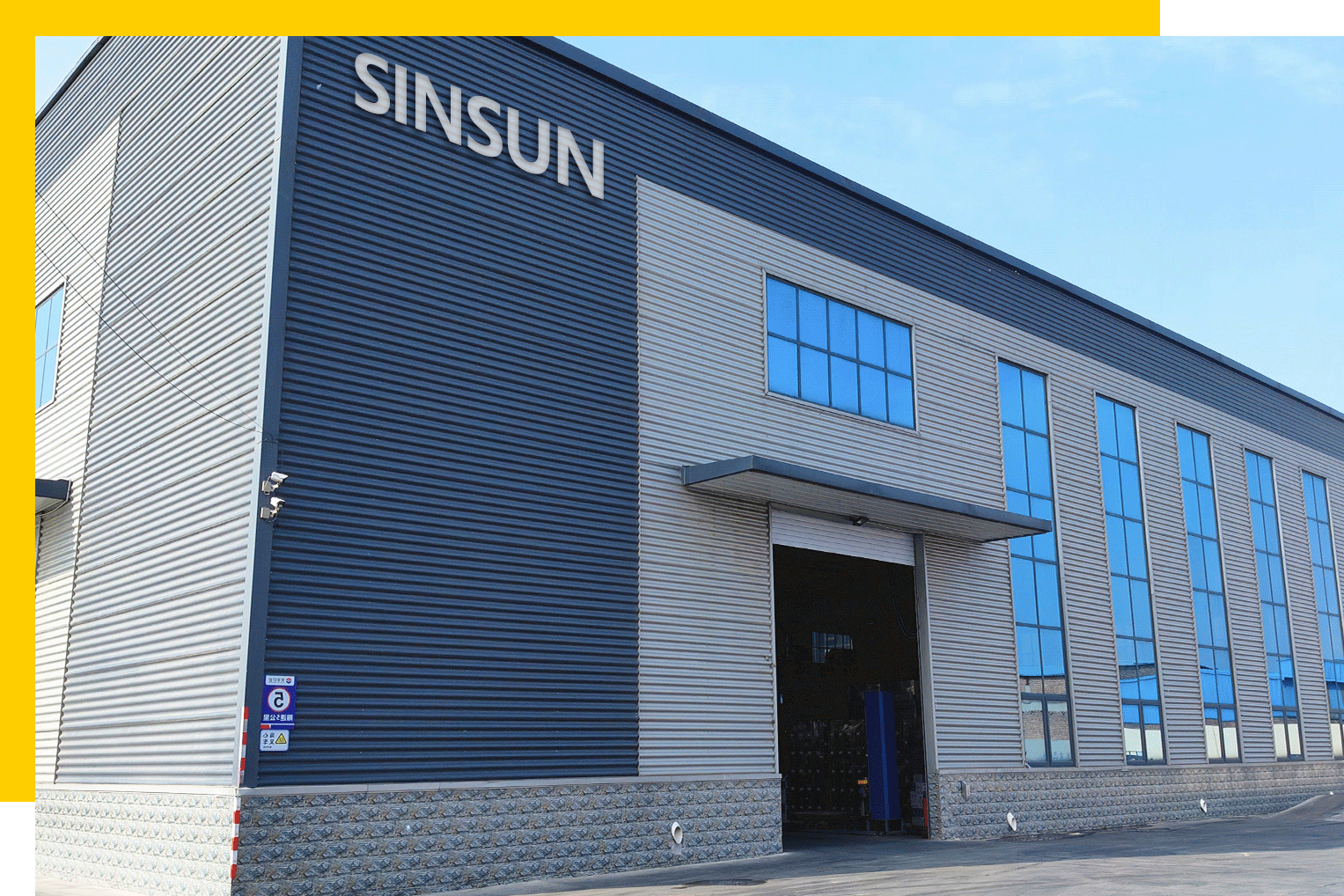
From our main production facility in Northern China, we combine high output with rigorous, detailed quality control protocols.
Product SKUs
Total Production Floor Area
Smart Warehouse Capacity
Containers Shipped Annually
Sinsun Hardware, established in 2006, is a key manufacturer and global exporter of industrial fasteners. As one of Northern China's largest specialized production facilities, we operate from a fully integrated facility that includes modern cold-forming zones, automatic tapping systems, in-house heat treatment lines, and a 12,000 sqm smart warehouse with over 18,000 pallet capacity. This infrastructure allows us to fulfill large-scale orders while maintaining consistent material specifications and dimensions.
Our global operations ship over 8,500 containers annually to markets across the Middle East, Southeast Asia, South America, and Europe. By managing processes from raw wire sourcing to final thread inspection, we ensure our hex nuts and fasteners perform reliably under demanding field conditions.
To provide reliable performance in harsh environments, our products undergo a series of inspections:
A technical comparison of alloy compositions and their suitability for different engineering applications.
Containing 18% Chromium and 8% Nickel, Grade 304 is the standard specification for non-marine applications. It offers good corrosion resistance in normal atmospheric conditions, fresh water, and mild organic chemical solutions. Perfect for food processing equipment, structural framing, and general machinery.
Modified with 2-3% Molybdenum, Grade 316 provides enhanced resistance to pitting and crevice corrosion in chloride-rich environments. These hex nuts are widely used in chemical plants, marine infrastructure, coastal building projects, and pharmaceutical processing equipment.
Featuring a lower carbon content (max 0.03%), Grade 316L helps prevent chromium carbide precipitation during welding or hot-working operations. This maintains corrosion resistance in the heat-affected zone of welded assemblies, making it suitable for heavy-wall industrial piping and pressure vessels.
| Alloy Grade | Common Designation | Chromium (Cr) % | Nickel (Ni) % | Molybdenum (Mo) % | Carbon (C) % Max | Tensile Strength (MPa) | Primary Industrial Use-Case |
|---|---|---|---|---|---|---|---|
| SS 304 | A2-70 / A2-80 | 17.5 - 19.5 | 8.0 - 10.5 | - | 0.08 | 700 - 800 | General machinery, consumer appliances, framing |
| SS 316 | A4-70 / A4-80 | 16.0 - 18.0 | 10.0 - 14.0 | 2.0 - 3.0 | 0.08 | 700 - 800 | Chemical equipment, seawater piping, coastal structures |
| SS 316L | Low Carbon A4 | 16.0 - 18.0 | 10.0 - 14.0 | 2.0 - 3.0 | 0.03 | 650 - 750 | Welded industrial structures, refinery piping systems |
| SS 321 | Titanium Stabilized | 17.0 - 19.0 | 9.0 - 12.0 | - | 0.08 | 700 - 800 | Exhaust systems, high-temperature heat exchangers |
How our production processes help eliminate defects, optimize grain structures, and ensure dimensional accuracy.
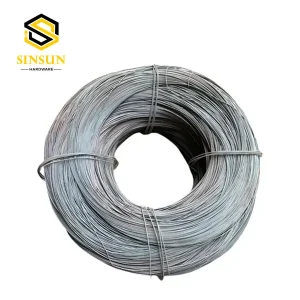
We source hot-rolled wire rods directly from Xingtai Steel. We conduct ultrasonic and spectroscopic testing to check for micro-cracks, surface seams, and chemical composition before cold-drawing is initiated in our wire plant.
Using computer-controlled, gas-fired annealing furnaces, the wire undergoes heat treatment to uniformize its microstructure. This process relieves internal stresses and prepares the material for subsequent cold-forming processes.
Our multi-station cold heading machines cut the wire to size and shape the hexagonal profile using high-pressure dies. This cold-working process aligns the steel's grain structure, increasing the strength of the nut blank.
Nut blanks are moved to automatic high-speed tapping machines. Special cutting oils are used during thread forming to control friction, helping to minimize surface roughness and achieve clean thread profiles.
To remove oils and metal particles, the tapped nuts undergo industrial degreasing. A nitric or citric acid passivation process is then used to restore the chromium oxide passive layer, which helps prevent future oxidation.
We test mechanical properties by validating proof load and tensile strength limits. Every production batch is checked using thread go/no-go ring gauges to ensure dimensional accuracy.
With our four continuous heat treatment lines upgraded in 2025, we have improved control over hardness ranges and material properties, helping to ensure consistent performance across production batches.
Finished hex nuts are packaged in cartons and stored in our 12,000 sqm smart warehouse. This system manages inventory layout to support quick order selection, loading, and shipping.
From our founding to establishing international operations, Sinsun has continually invested in equipment and capacity.
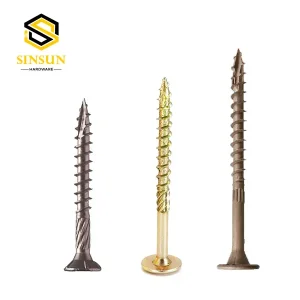
Sinsun Hardware started with a focus on manufacturing self-tapping screws and core fasteners. Over the years, we have expanded our capabilities to supply a wider range of products, including drywall screws, concrete screws, hex bolts, and stainless steel hex nuts.
Our facility near Tianjin Port allows us to manage export shipping logistics efficiently. We source quality steel wire, utilize multi-station cold heading machinery, and run continuous heat-treatment processes to provide reliable fasteners for projects worldwide.
Through ongoing upgrades in automation and in-house laboratory testing, we verify tensile strength, core hardness, thread tolerances, and corrosion resistance to support our partners' supply chains.
Sinsun was established in 2006 with a focused production facility dedicated to self-tapping screws and essential fasteners in Northern China.
We established our dedicated export department in 2012, expanding our market reach beyond domestic channels to serve international distributors.
Added spheroidizing annealing furnaces and wire drawing equipment, allowing us to process hot-rolled wire rods in-house and monitor material quality from the initial stage.
We integrated multi-station cold-heading machines and expanded our capabilities to produce complex fasteners, self-drilling screws, and specialized nuts.
Annual production capacity reached 36,000 tons, with export volumes exceeding 1,100 containers to global markets.
Dedicated warehouse space was expanded to support a larger volume of ready stock, helping to improve order processing times for standard fasteners.
Installed four new heat treatment lines to increase production capacity and support consistent mechanical properties across our product lines.
How Sinsun fasteners are configured to meet the specific requirements of major global industries.
For structures exposed to high chloride levels, we supply Grade 316 (A4-80) and duplex stainless steel hex nuts. These components undergo passivation to preserve the protective oxide layer, which helps prevent pitting in saltwater spray and submerged applications.
Chemical processing operations involve exposure to acidic environments. Our Grade 316L and stabilized Grade 321 hex nuts are designed to handle organic and inorganic acids at elevated temperatures, helping to reduce the risk of intergranular corrosion.
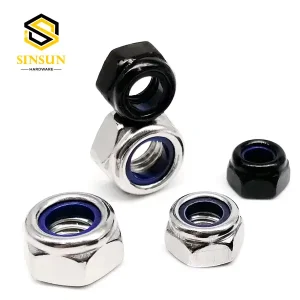
For applications experiencing high vibration levels, such as heavy transport and stamping equipment, we manufacture high-tensile A4-80 hex nuts. These can be combined with nylon inserts or chemical locking treatments to help secure critical joints.
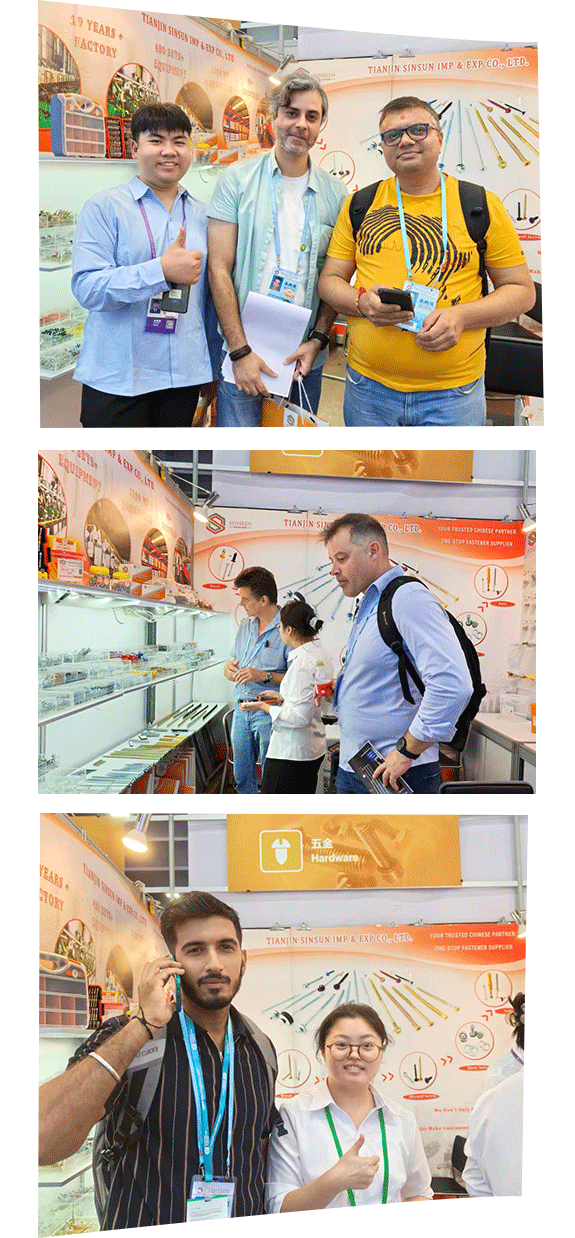
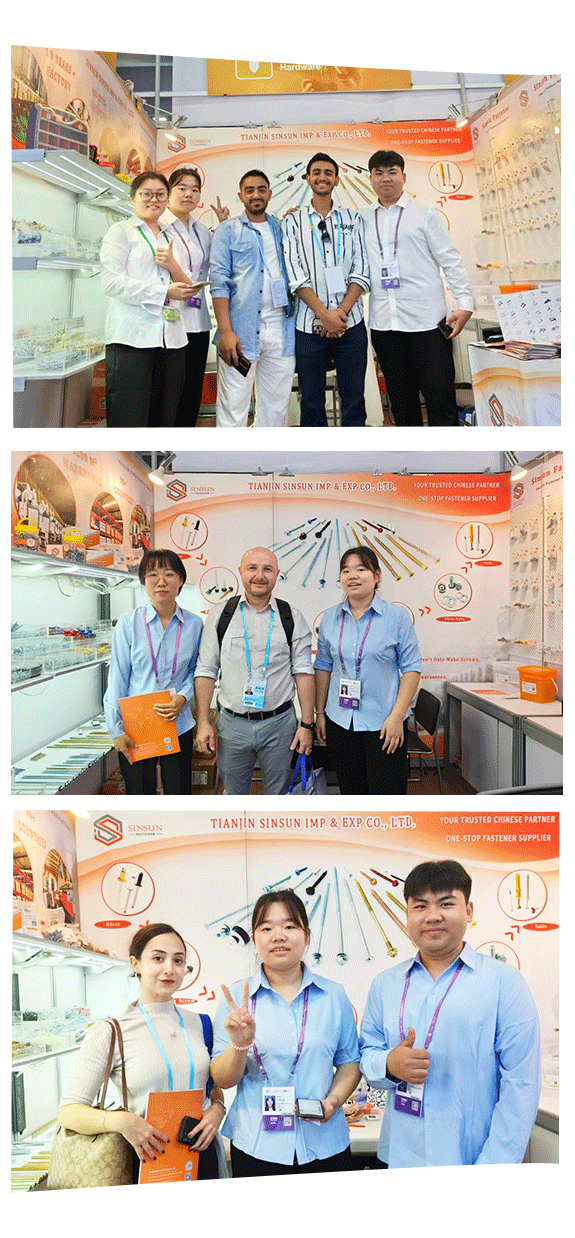
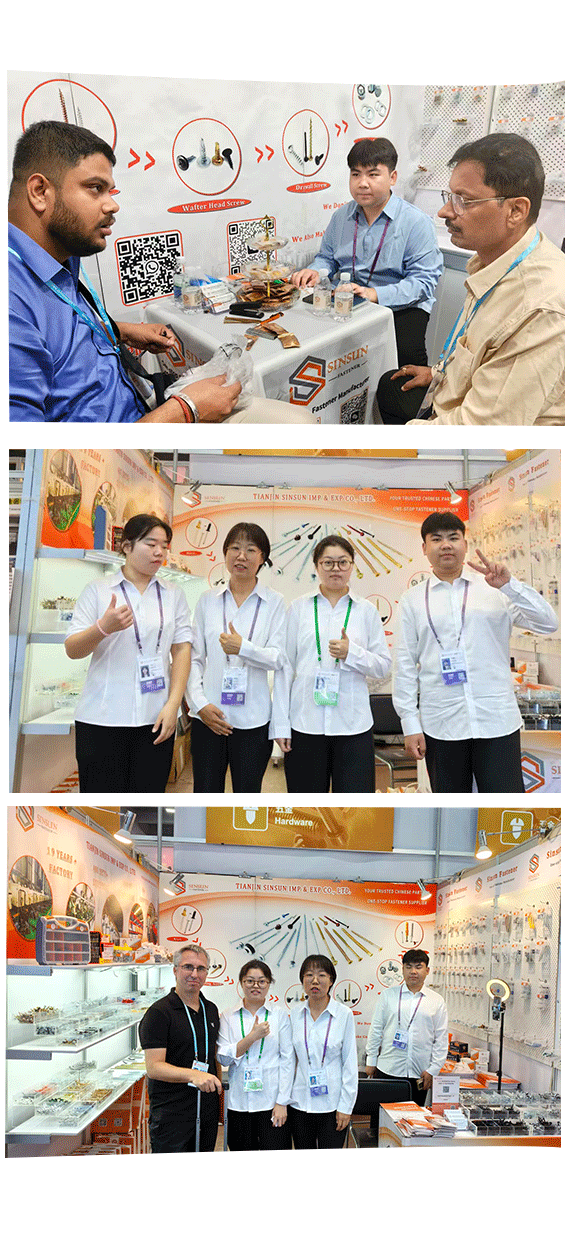
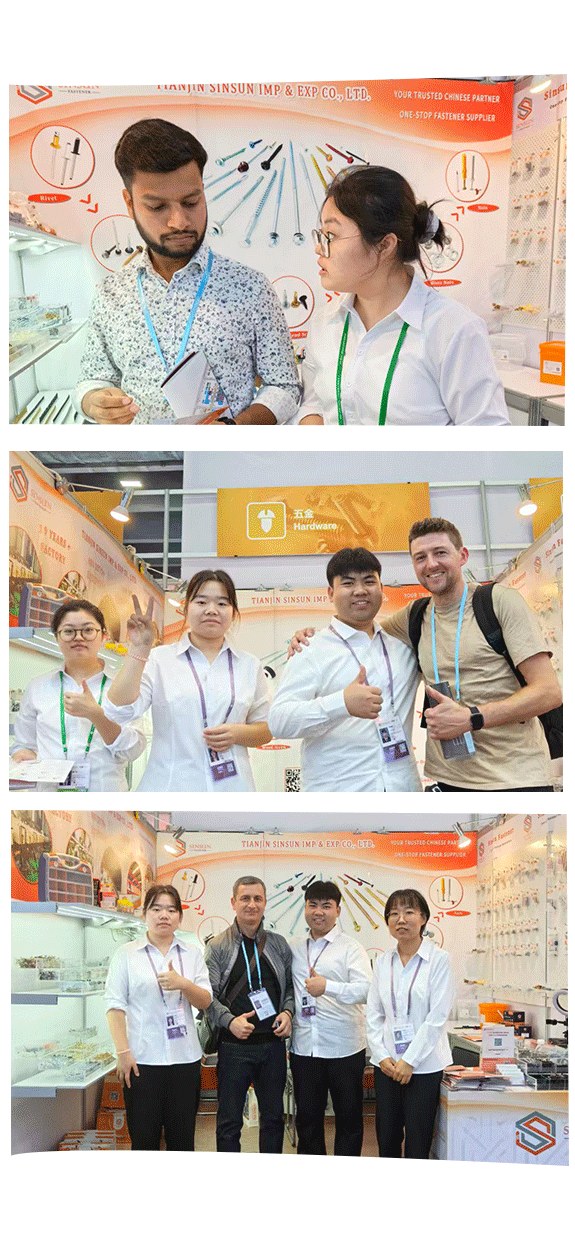
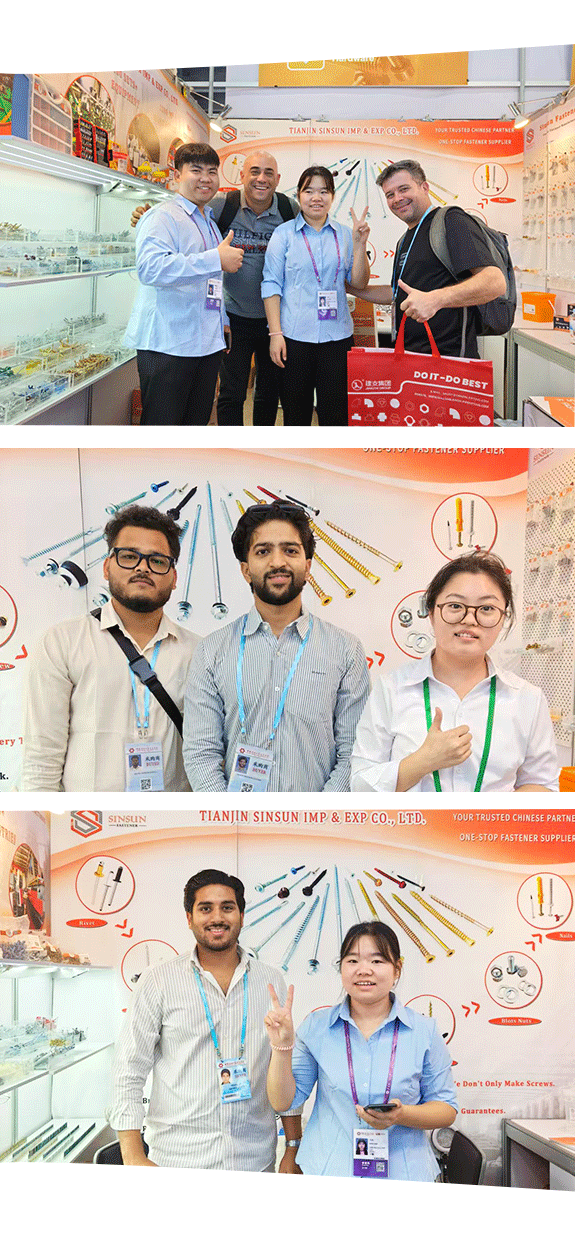
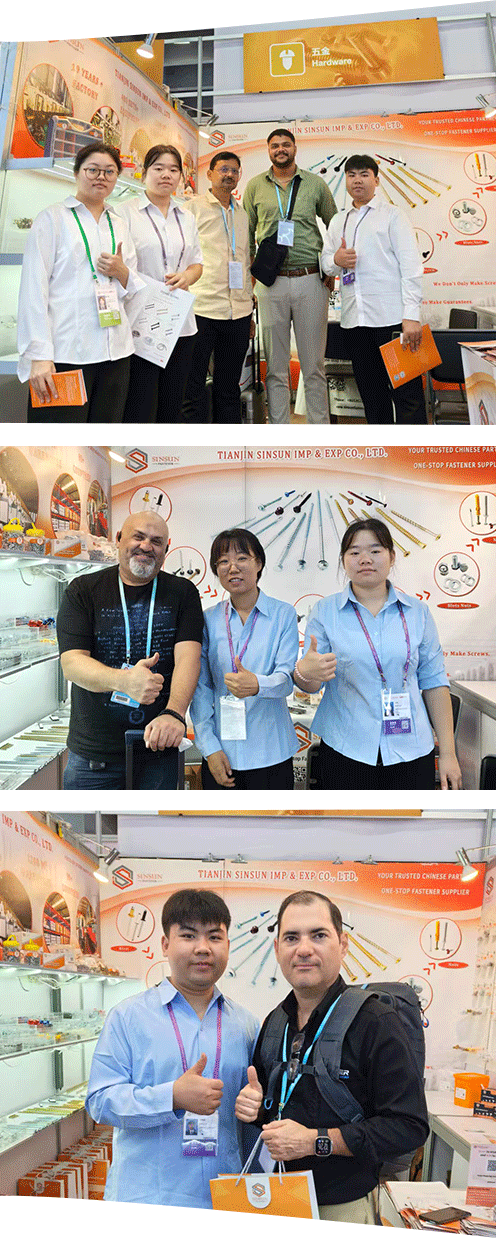
An inside look at our production floor, drawing equipment, and logistics center in Northern China.
Common technical questions regarding selection, installation, and performance of stainless steel hex nuts.
Complete the form below to receive material specifications, custom pricing, and lead times from our engineering sales team.