1 / 1
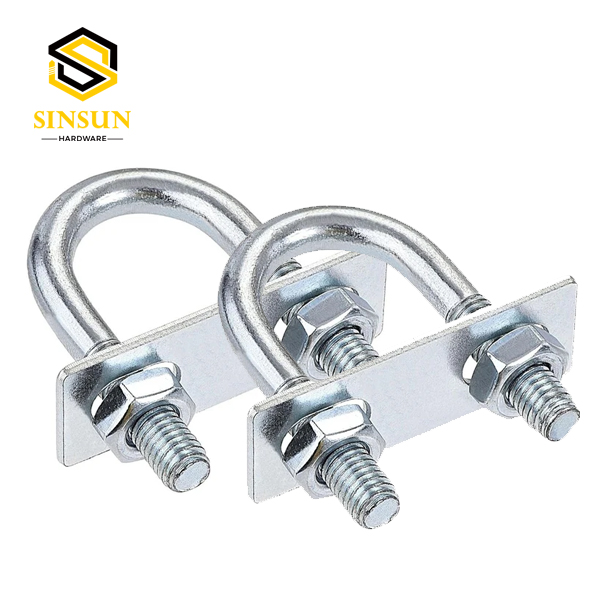
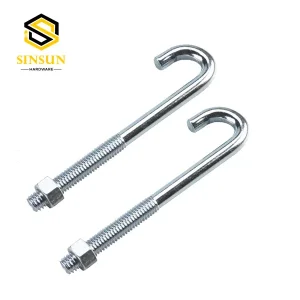
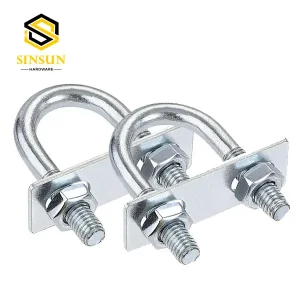
U-bolts are primarily used to support piping systems, secure tubes or round bars, and attach components to structural frames. They are widely applied in automotive suspension systems, marine rigging, and industrial pipeline installations.
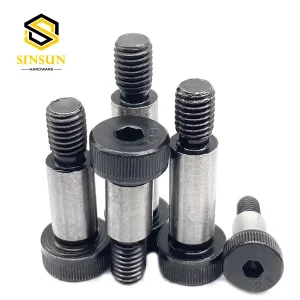
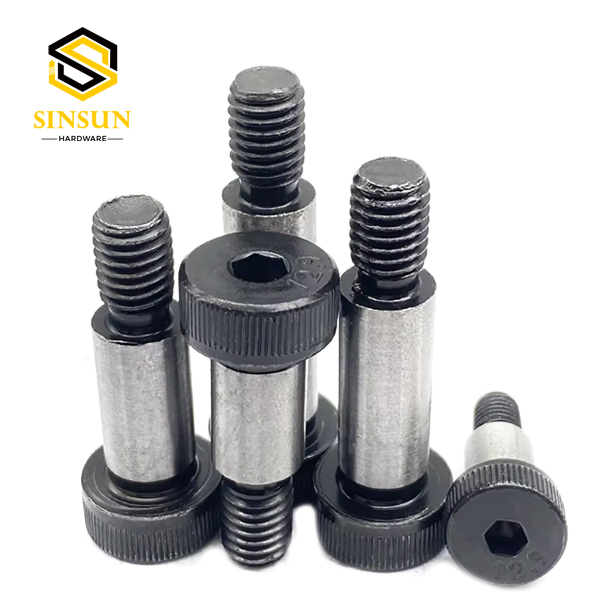
Shoulder bolts feature an unthreaded, smooth cylindrical section (the shoulder) between the head and the threads. This design allows the bolt to act as a shaft or pivot point for rotating parts, whereas standard hex bolts are fully or partially threaded to clamp components together tightly.
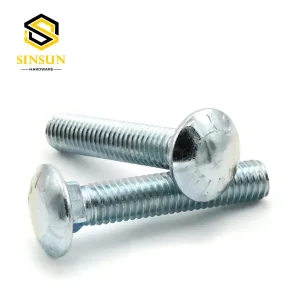
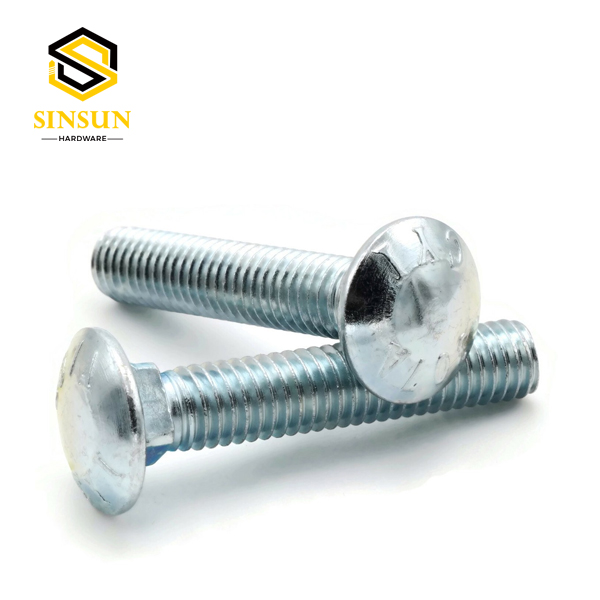
Carriage bolts feature a smooth dome head and a square neck underneath. When inserted into a square hole, the square neck locks into place, preventing the bolt from turning while the nut is being tightened from the other side.
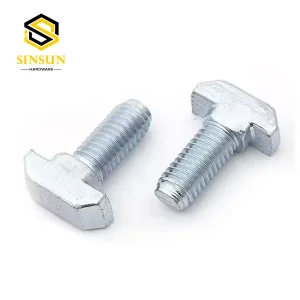
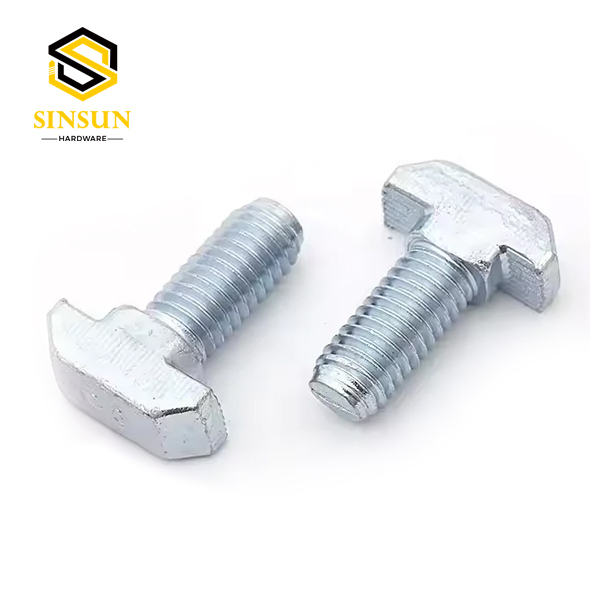
T-bolts are designed to slide into T-slot tracks. They are commonly used in machine tools, jigs, and fixtures, allowing operators to clamp workpieces quickly and adjust the positioning easily along the track.
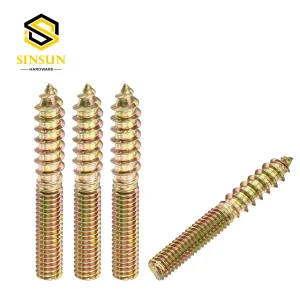
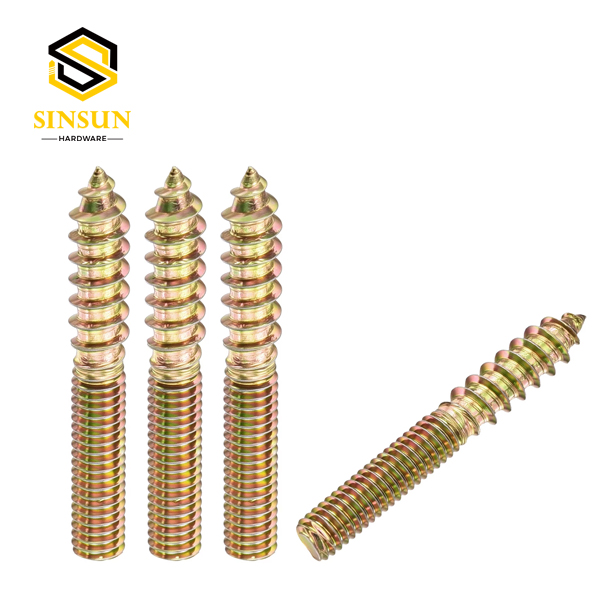
Stud bolts have threads on both ends and are used in heavy-duty flange connections. They provide more uniform clamping force compared to hex bolts and can be easily tensioned and serviced, which makes them ideal for high-pressure and high-temperature pipe joints.