1 / 1
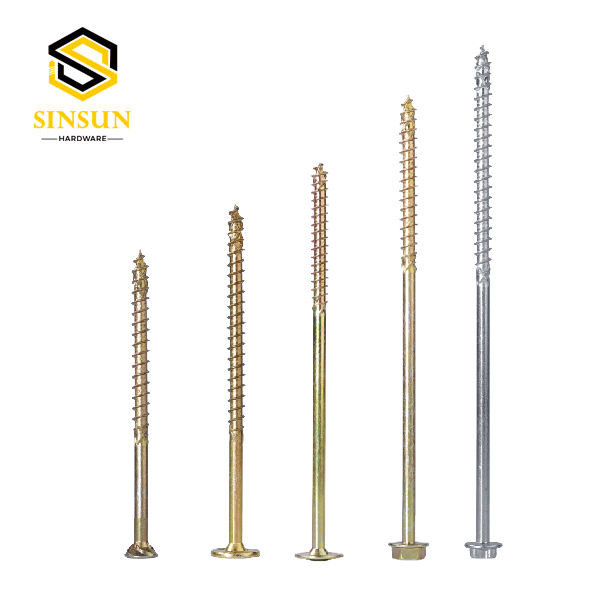
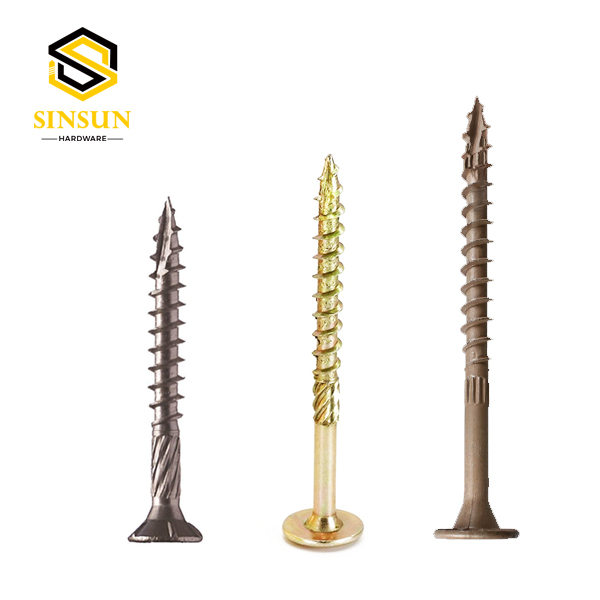
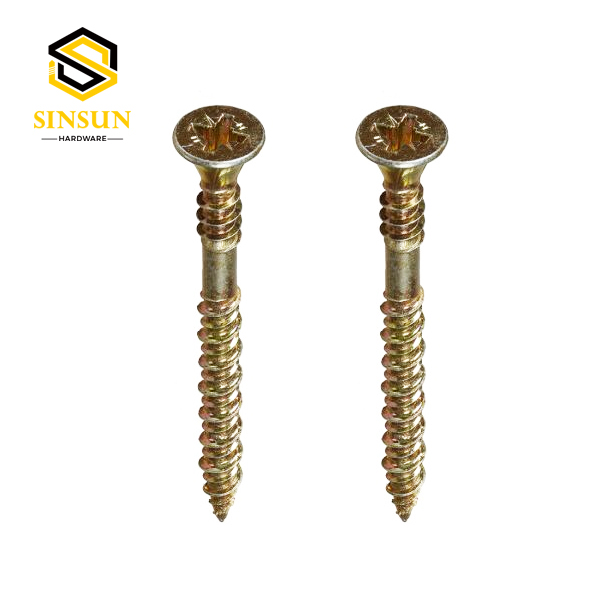
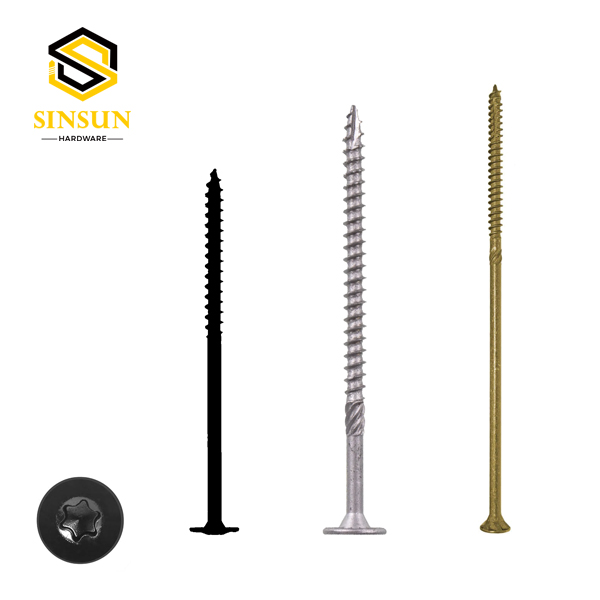
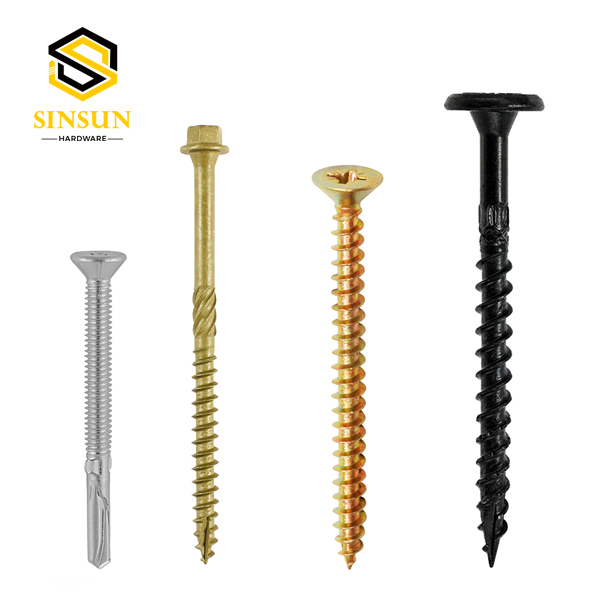
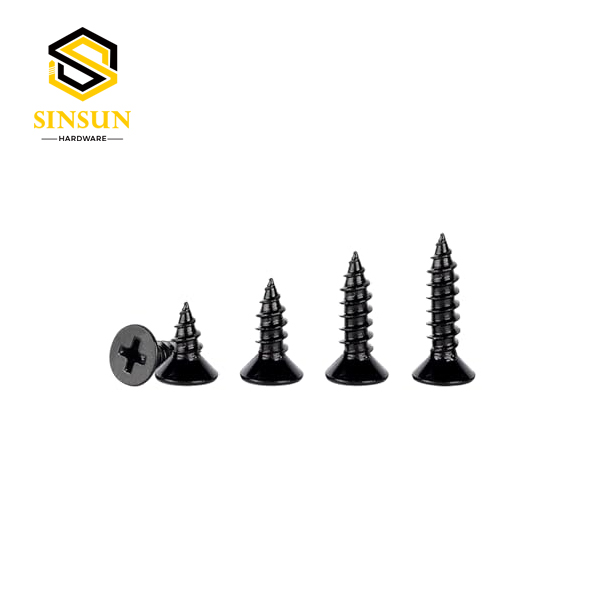
Timber screws are generally larger and stronger than standard wood screws. They are specifically designed for heavy-duty structural applications and joining large timber pieces without the need for pre-drilling, whereas wood screws are used for general woodworking and cabinetry.
While many modern wood screws feature self-tapping threads, drilling a pilot hole is highly recommended when using long wood screws, especially in hardwoods, to prevent the wood from splitting and to ensure smooth alignment.
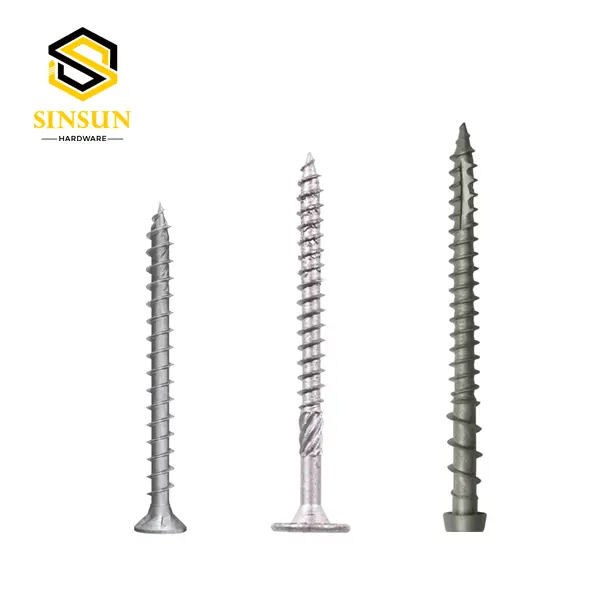
Heavy-duty wood screws feature thicker shanks, deep threads, and high-tensile steel constructions. This provides maximum shear strength and load-bearing capacity, making them ideal for framing, decking, and outdoor building projects.
Floorboards screws are ideal because they usually feature a countersunk head that sits flush with the wood surface. Many also have a partially threaded shank that pulls the board tightly to the joists, reducing creaking over time.
Small wood screws are designed for precision tasks, delicate crafting, and installing small hardware like hinges, latches, or decorative moldings where larger screws would damage the material.