1 / 1
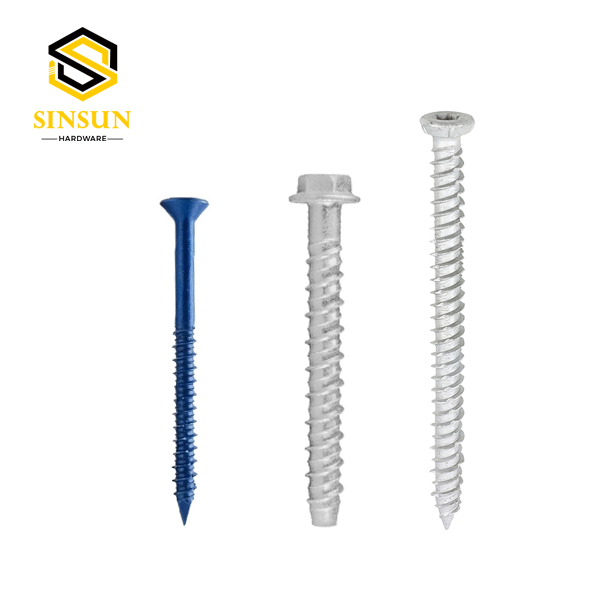
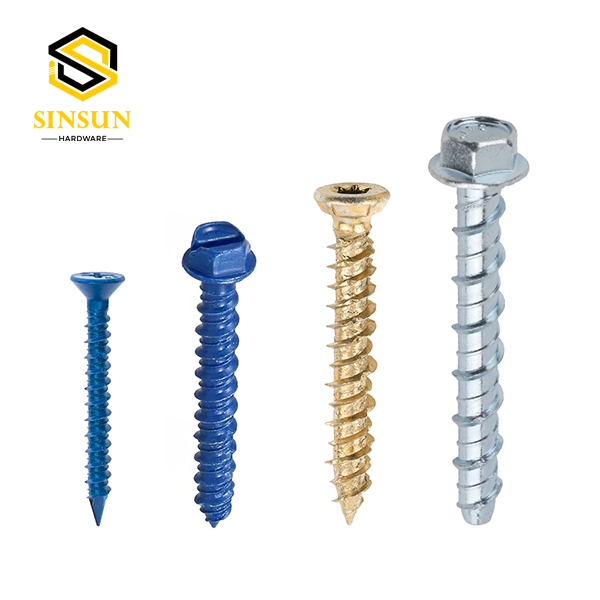
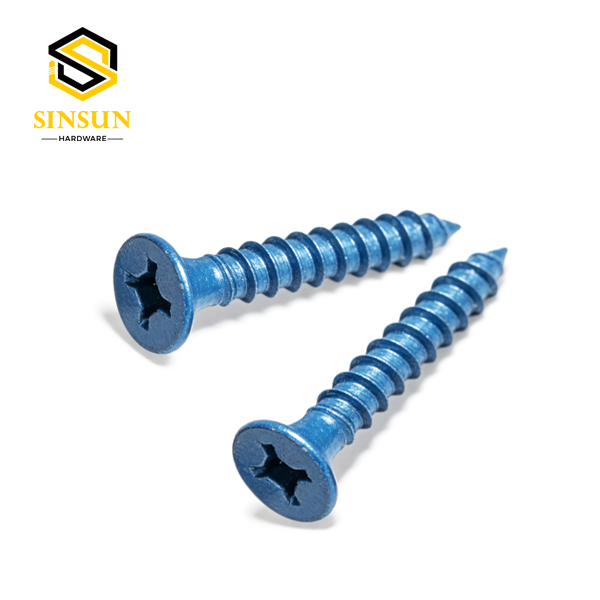
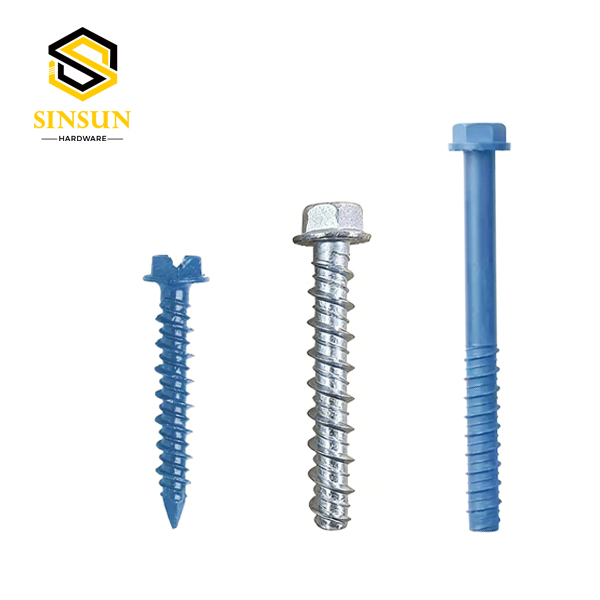
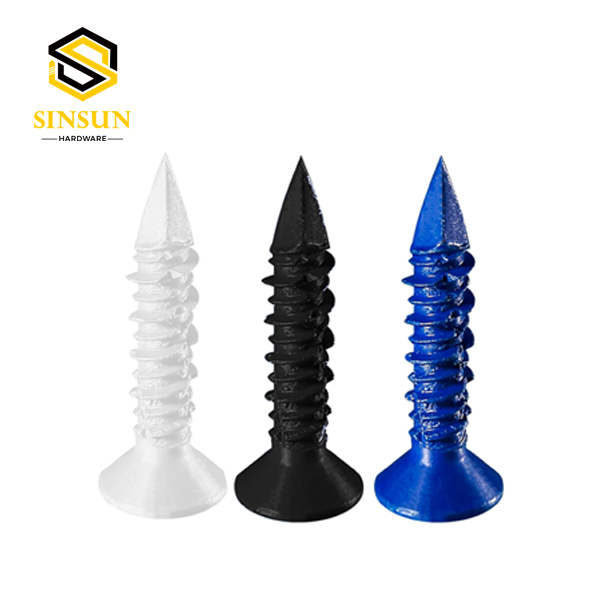
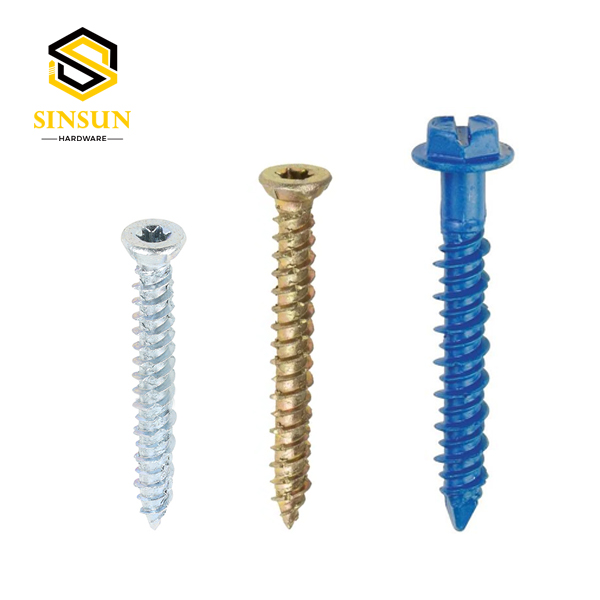
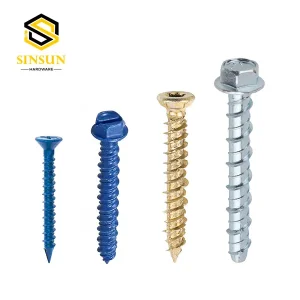
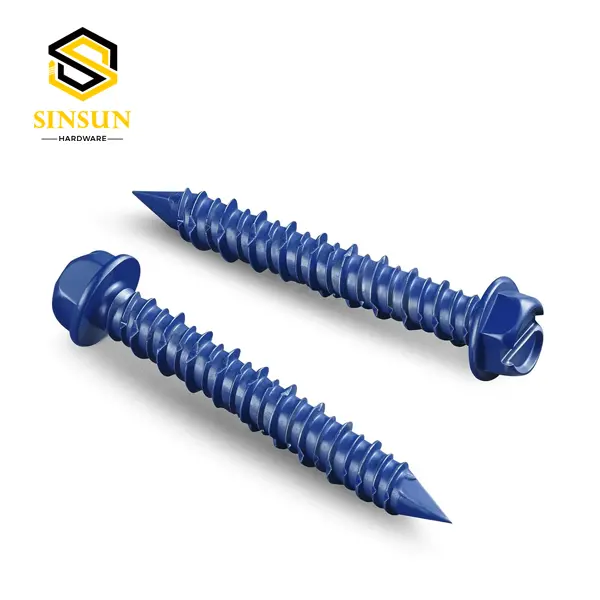
Concrete screws, also known as masonry screws, are specifically designed fasteners that tap threads directly into pre-drilled holes in concrete, brick, or block, providing a secure friction fit without the need for anchors.
Yes, installing concrete screws requires using a carbide-tipped masonry drill bit. The drill bit size must match the specific instructions of the concrete screw to ensure proper thread engagement and maximum holding power.
Heavy duty concrete screws feature a larger diameter, enhanced thread design, and higher tensile strength, making them ideal for structural loads and heavy machinery anchoring, whereas standard screws are used for lighter fixtures.
It is generally not recommended to reuse concrete screws in the same hole. The initial installation cuts threads into the masonry, and re-installing a screw in that same path significantly reduces its ultimate holding capacity.
The pilot hole should be drilled at least 1/4 inch to 1/2 inch deeper than the expected embedment depth of the screw. This extra space leaves room for the dust generated during the self-tapping process to settle.