1 / 1
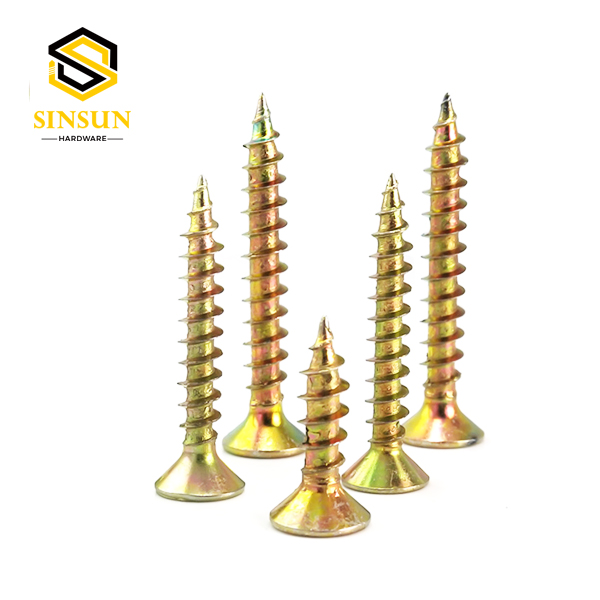
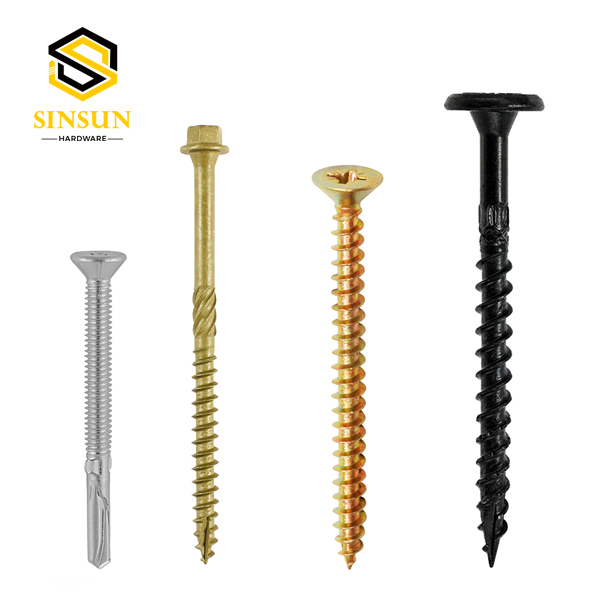
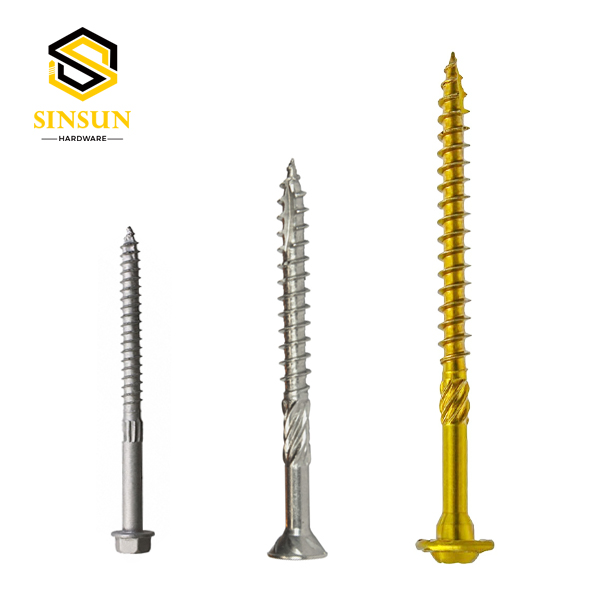
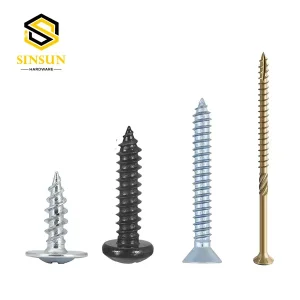
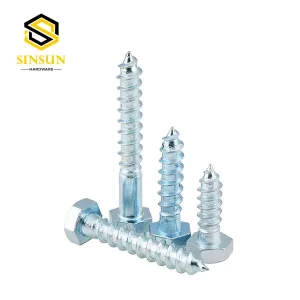
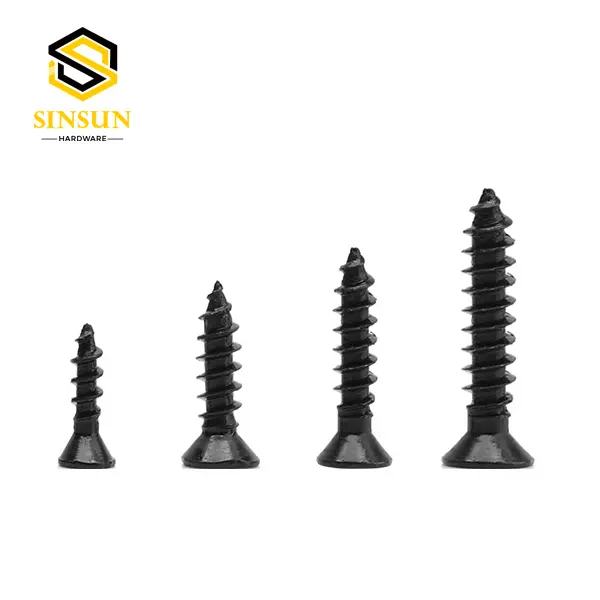
Wood screws typically feature a partially threaded shank and tapered body designed to clamp timber pieces together, whereas chipboard screws have a full thread extending all the way up to the head, making them ideal for holding particle board and engineered woods securely.
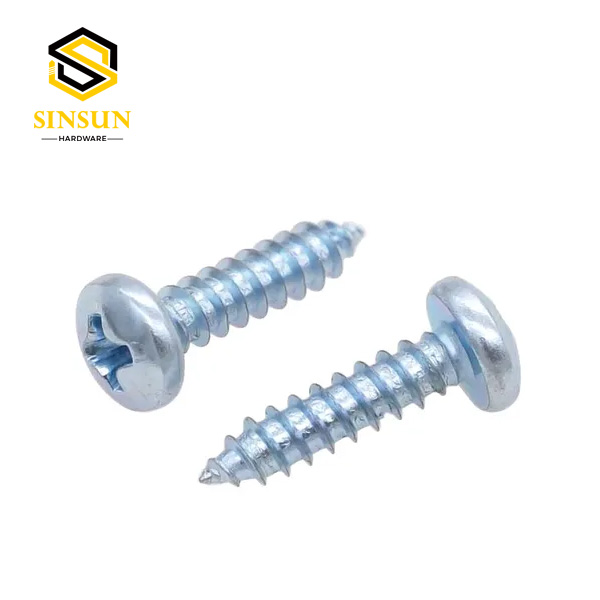
Pan head wood screws have a flat surface under the head and a rounded top. They are ideal for securing flat materials, metal brackets, or hardware to wood surfaces where you do not want the head of the screw countersunk into the material.
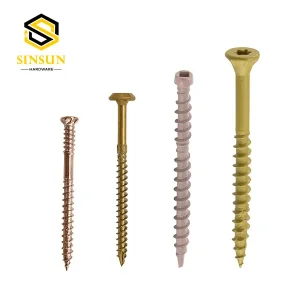
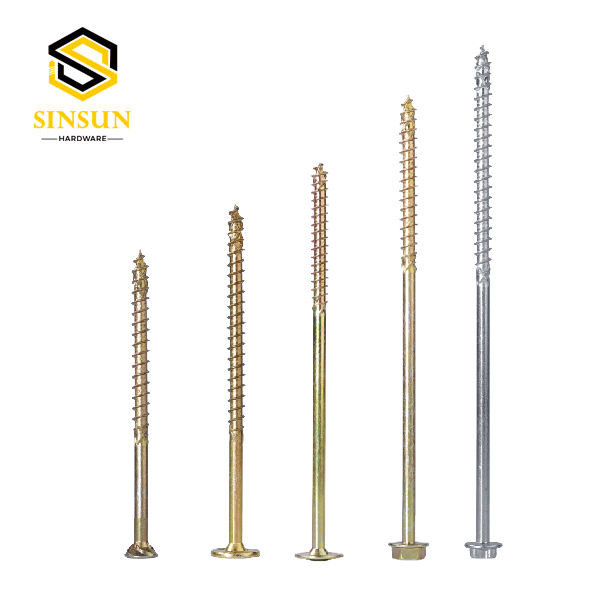
Structural screws are specifically engineered for heavy-duty, load-bearing timber construction. They are made from heat-treated steel, offer higher shear strength, and do not require pre-drilling in most cases, making them superior for structural framing.
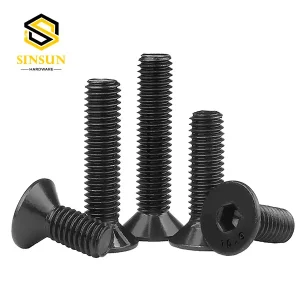
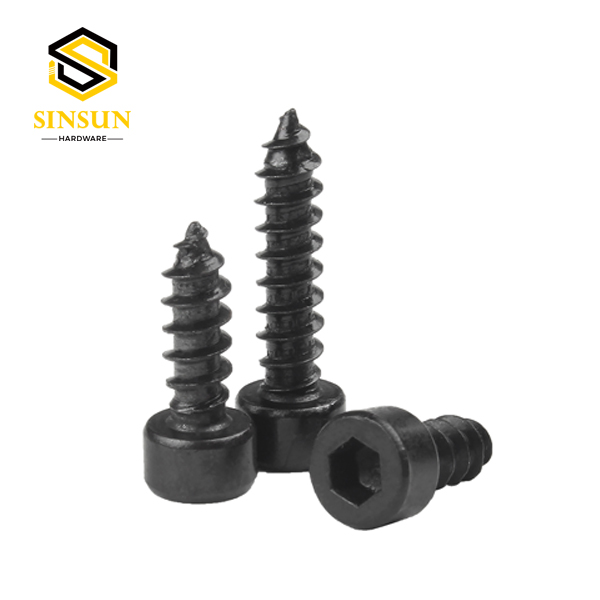
Socket head wood screws generally feature internal hex (Allen) drives or Torx star drives. These shapes allow for maximum torque transfer, reducing slippage and cam-out during installation in tough wood materials.
Yes, it is highly recommended to drill pilot holes when using long wood screws, especially in hardwood materials. Pre-drilling prevents the wood from splitting and ensures the screw aligns correctly without snapping under tension.