1 / 1
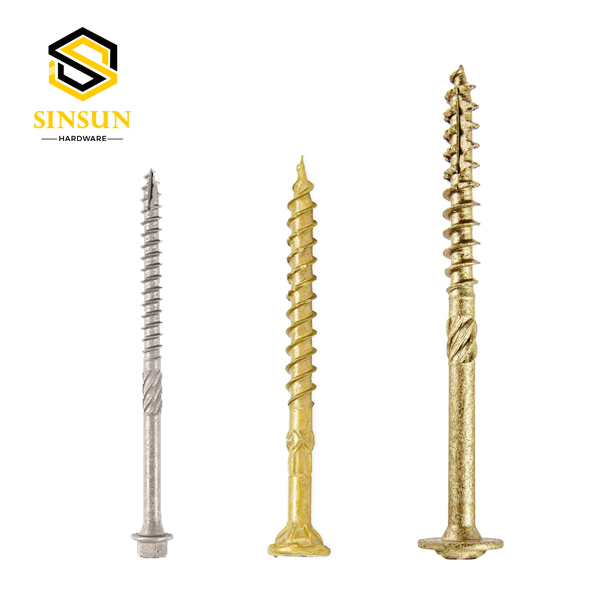
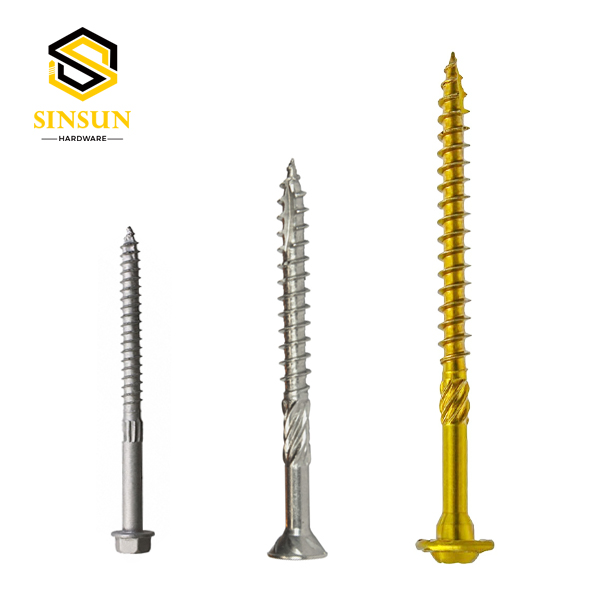
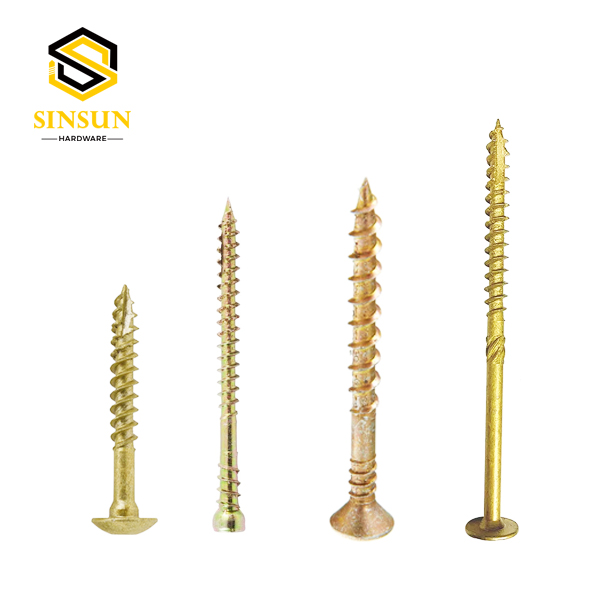
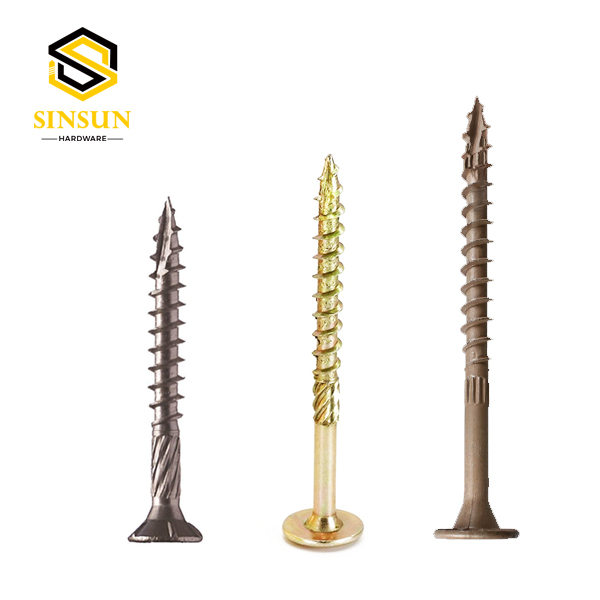
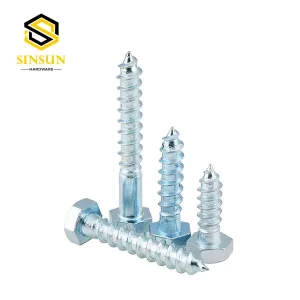
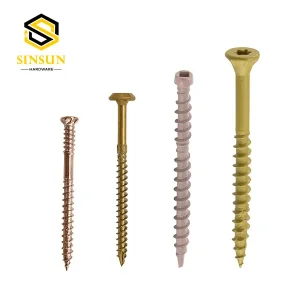
Structural screws are heavy-duty fasteners designed for load-bearing wood-to-wood or wood-to-metal connections. They are commonly used in deck construction, timber framing, and log home building, offering high shear strength and drawing power without the need for pre-drilling.
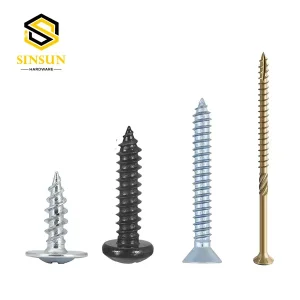
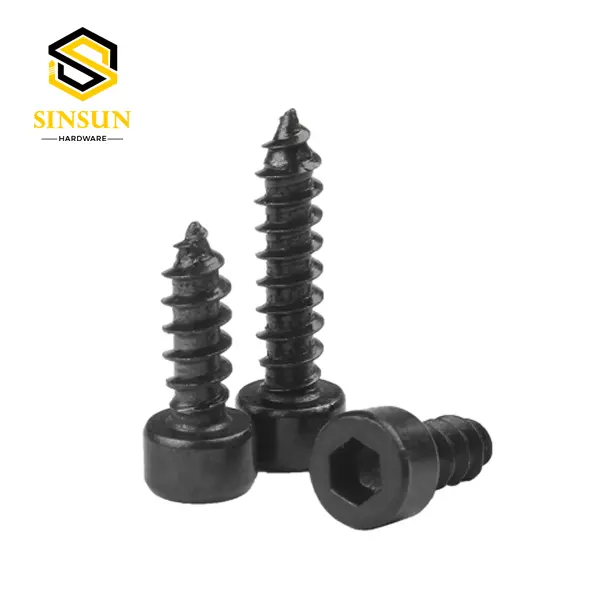
Self-tapping wood screws feature a sharp tip or a specialized cutting notch that creates its own mating thread as it is driven into the wood. This minimizes the risk of wood splitting and often eliminates the step of drilling a pilot hole, saving time during installation.
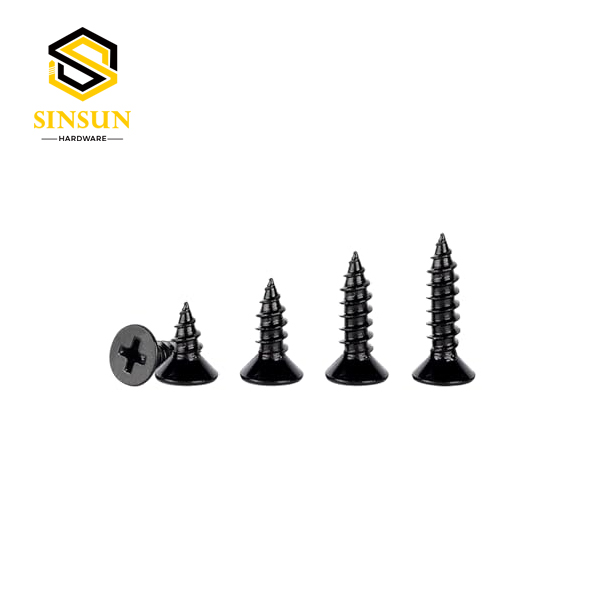
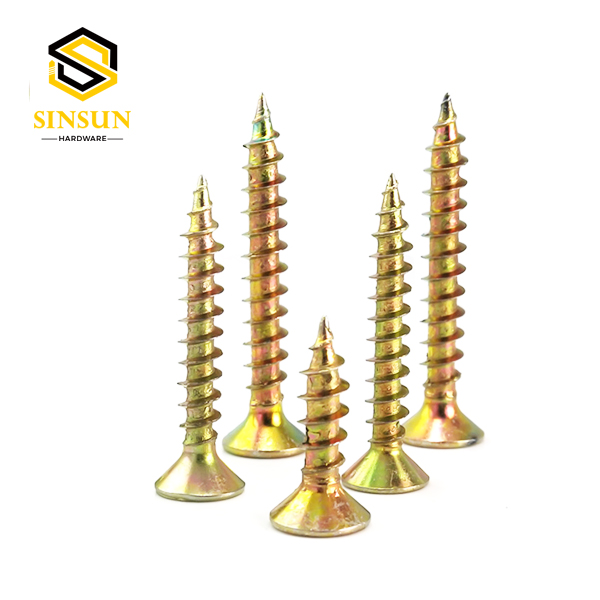
Chipboard screws feature a thin shaft and coarse, deep threads that run all the way from the tip to the head. This design provides excellent grip in composite materials like chipboard, MDF, and particle board, preventing the material from crumbling or splitting.
Exterior wood screws are treated with specialized corrosion-resistant coatings or made from stainless steel to withstand outdoor elements like rain, humidity, and temperature fluctuations. Standard screws can rust quickly, compromising the integrity of outdoor structures.
Most modern timber screws are designed with advanced point geometries (such as type 17 cut points) that allow them to self-drill into most softwoods. However, for hardwoods or near-edge applications, pre-drilling is still recommended to ensure a clean finish and prevent wood splitting.