1 / 1
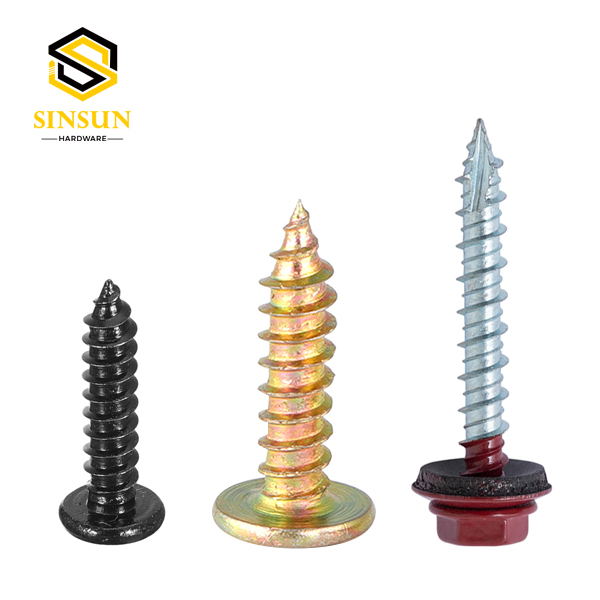
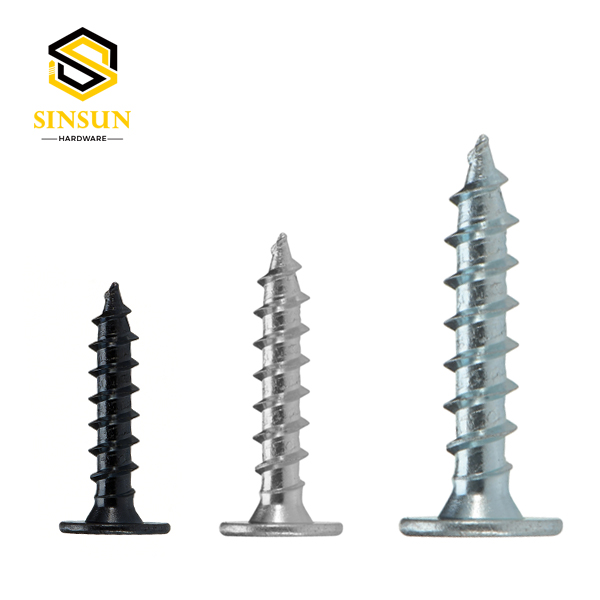
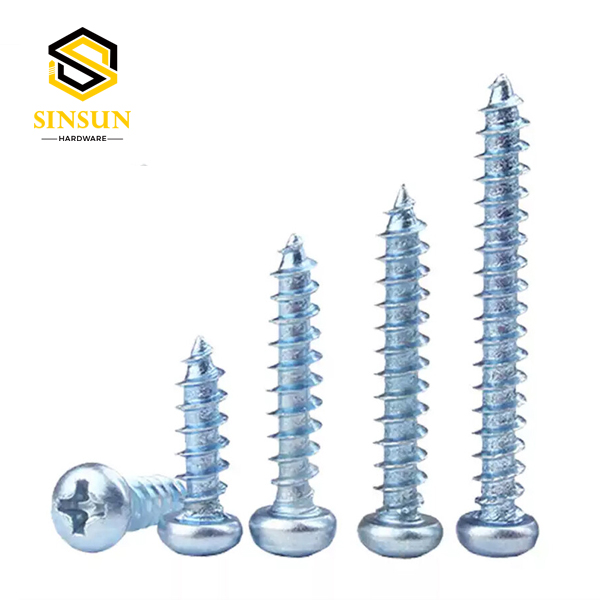
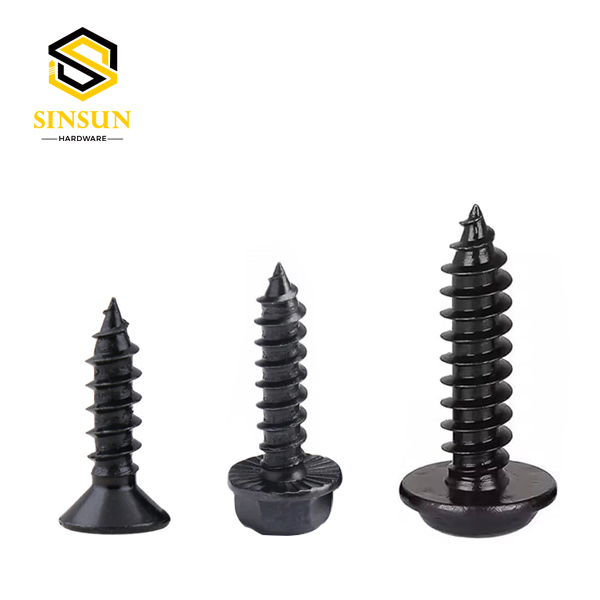
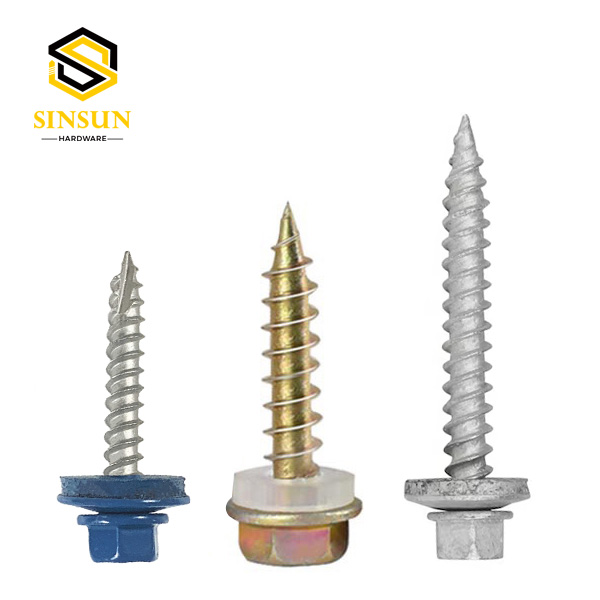
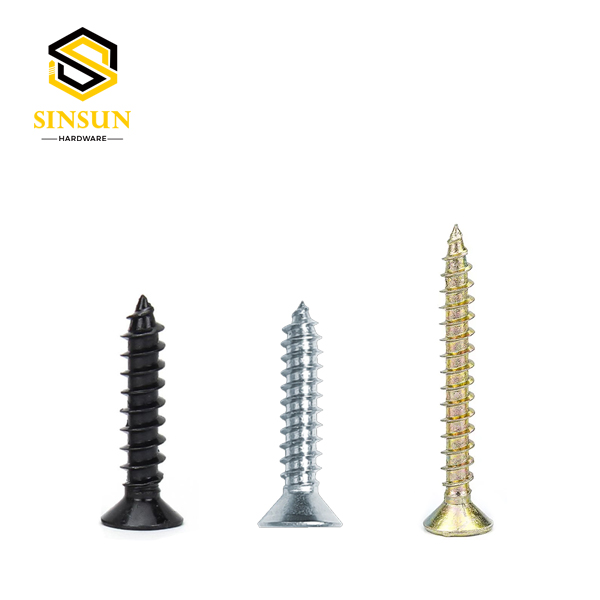
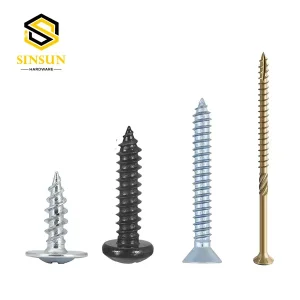
Self-tapping screws tap their own threads but typically require a pre-drilled pilot hole. Self-drilling screws feature a tip shaped like a drill bit, allowing them to drill their own hole and tap threads in a single operation.
While they can technically be backed out and reinserted, reuse is generally not recommended in critical load-bearing installations because the threads created in the mating material may degrade, reducing the overall holding strength.
The rubber washer (usually EPDM) provides a watertight seal under the screw head when tightened, preventing rainwater and moisture from seeping through the drilled hole into the roofing structure.
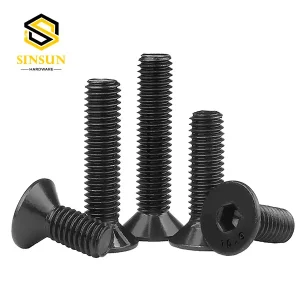
Use flat head (countersunk) screws when you need the screw head to sit flush with or below the surface of the material. Use pan head screws when you want a low-profile rounded top that sits flat against the surface, distributing clamping force over a wider area.
Snapping usually occurs due to excessive torque, using a pilot hole that is too small for the material thickness, or driving the screw into a material that is too hard for the screw's grade and coating.