1 / 1
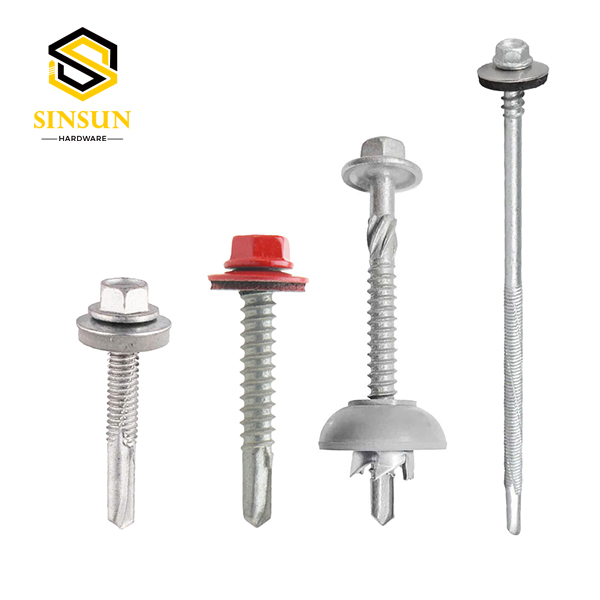
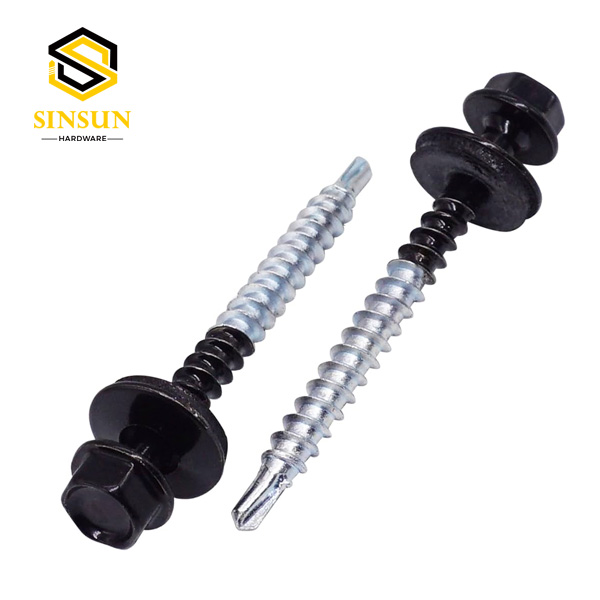
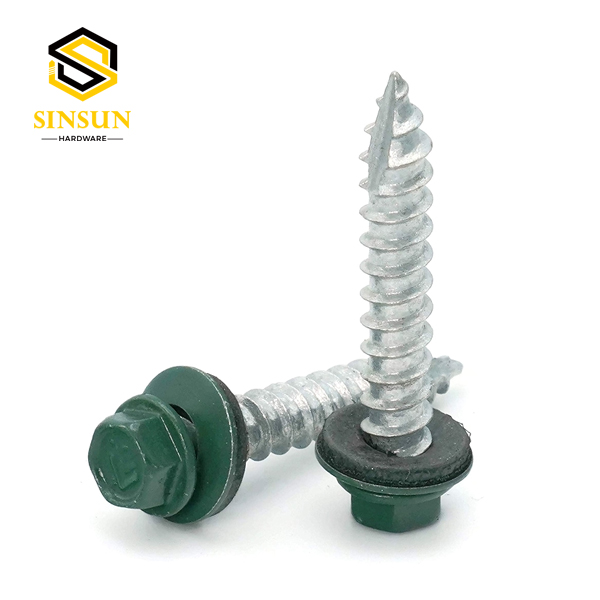
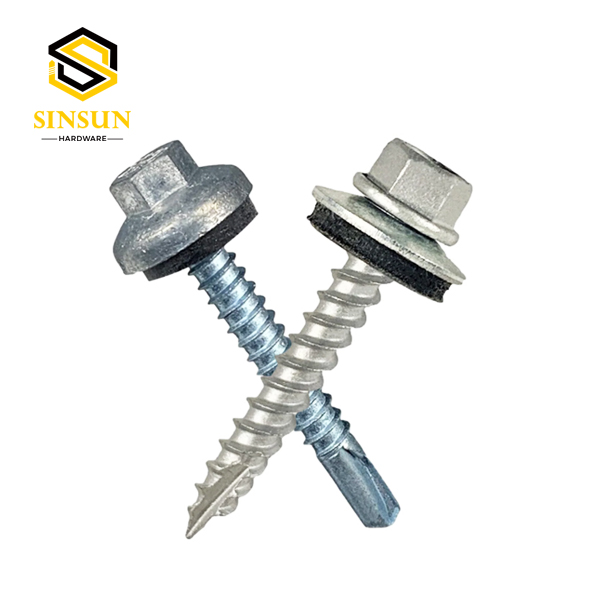
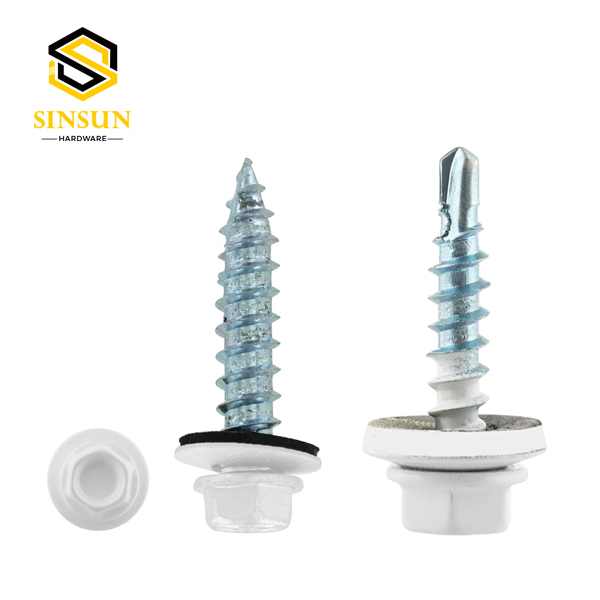
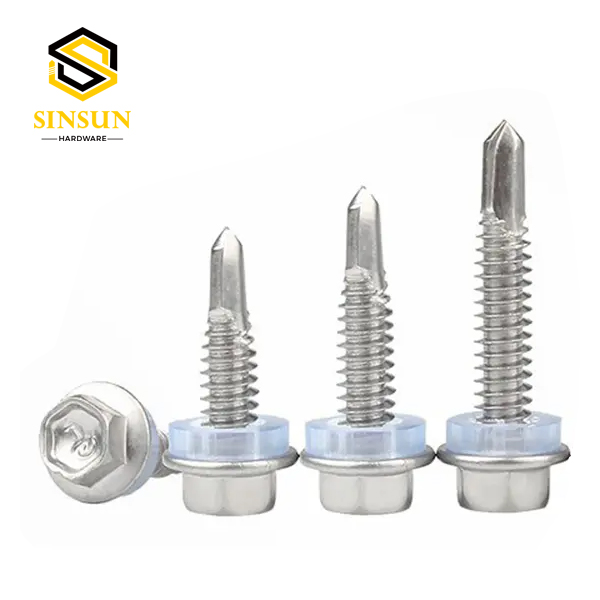
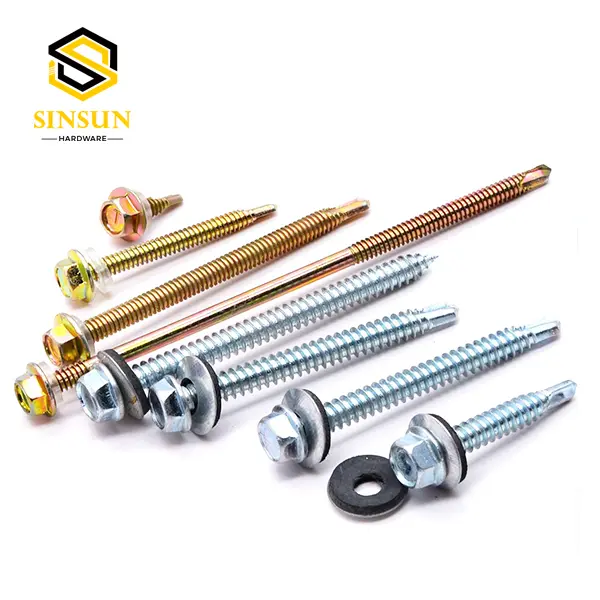
Roofing screws generally fall into two main categories: self-tapping and self-drilling. They are also classified by material, such as galvanized steel, stainless steel, and painted options, designed to match various metal panels.
Most roofing screws feature an EPDM rubber washer. When the screw is tightened, this washer compresses against the metal sheet to create a watertight seal, preventing water leaks and protecting the structure below.
High-quality stainless steel roofing screws provide superior corrosion resistance and can last for decades, often outlasting the roofing panels themselves, particularly in coastal or industrial environments.
No, standard wood screws lack the self-drilling tips, specialized threads, and sealing washers necessary to secure metal panels safely and keep the installation water-resistant.
The correct length depends on the thickness of the insulation and the height of the metal profile. Generally, the screw should penetrate at least 1 inch (25mm) into the underlying wooden or metal purlins.
Colored roofing screws feature multi-layer protection, including a zinc-plated or galvanized layer underneath, followed by a durable powder coating that prevents oxidation and matches the roof color.