1 / 1
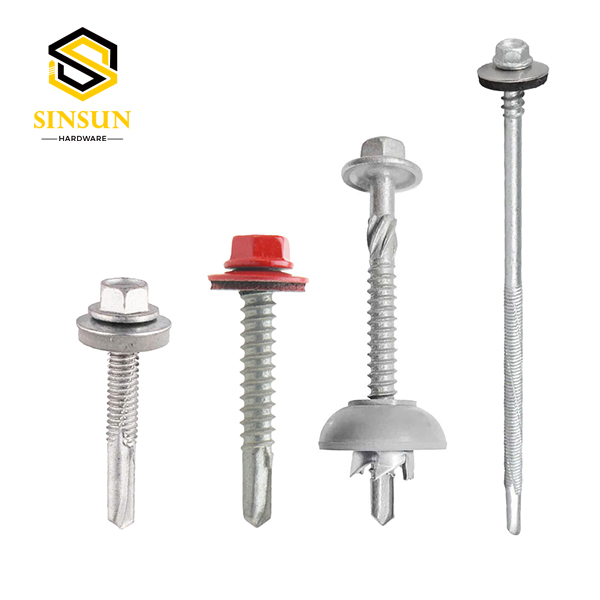
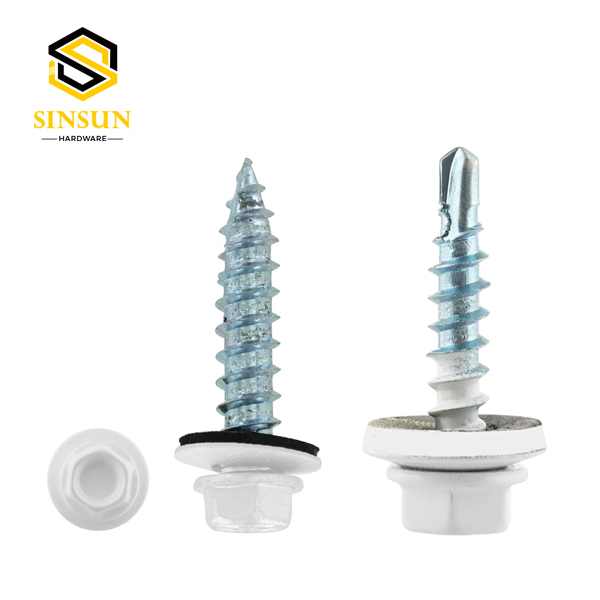
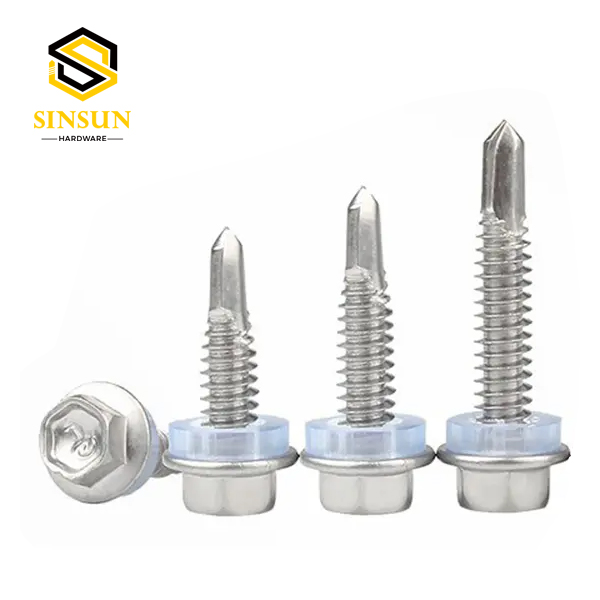
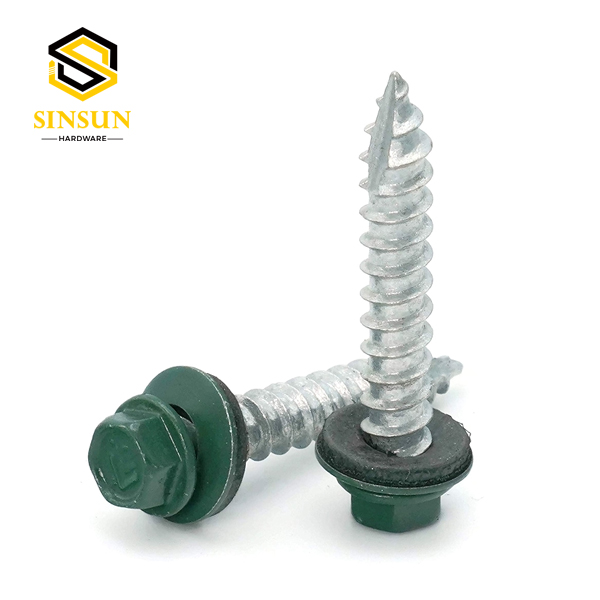
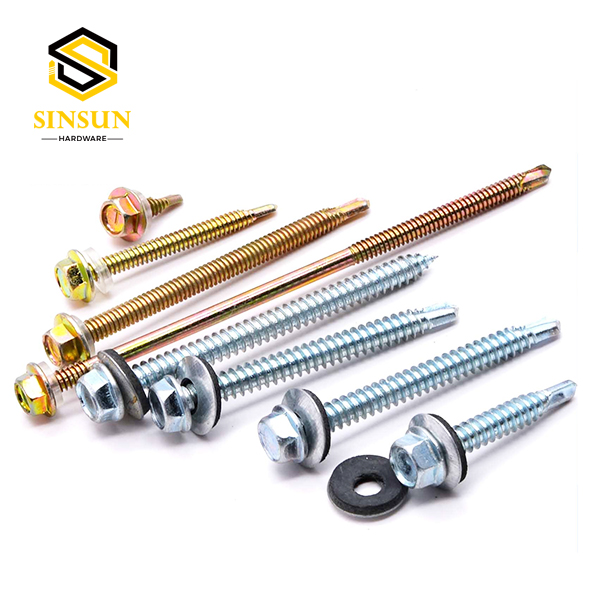
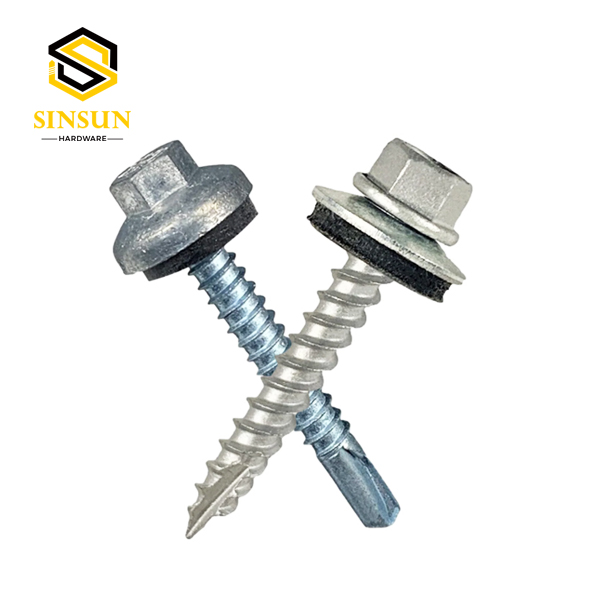
Roofing screws are high-strength fasteners engineered specifically for securing metal panels, fiberglass, or polycarbonate roofing sheets to wood or metal substructures. They provide a watertight seal and resist harsh environmental elements.
The correct length depends on the combined thickness of the roofing sheet and the underlying support structure. Generally, the screw should penetrate at least 1 inch (25mm) into wood purlins, or fully pass through metal purlins with at least three threads showing.
Yes, they are essential. Roofing screws are typically equipped with EPDM rubber washers. When compressed, these washers seal the entry point to prevent rainwater from leaking inside the building while allowing for minor thermal expansion of the panels.
Self-drilling screws feature a drill-bit point that can drill their own hole directly into steel or wood without pre-drilling. Self-tapping screws require a pre-drilled pilot hole before they can tap their own threads into the mating material.
Stainless steel roofing screws offer superior corrosion resistance, making them ideal for coastal environments or highly corrosive industrial areas. Galvanized screws are excellent for standard outdoor applications and offer a cost-effective durability solution.
To install roofing screws properly, use a drill with a depth-sensing nosepiece or adjust the clutch. The EPDM washer should be slightly compressed but not flattened or squeezed outward, which could compromise the watertight seal.