1 / 1
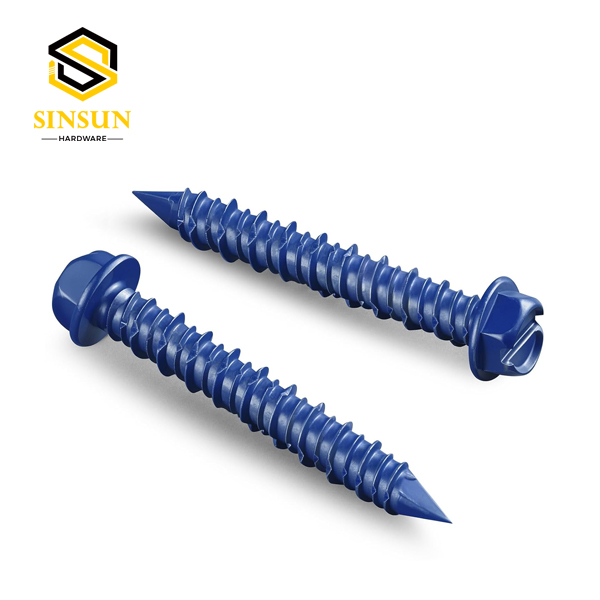
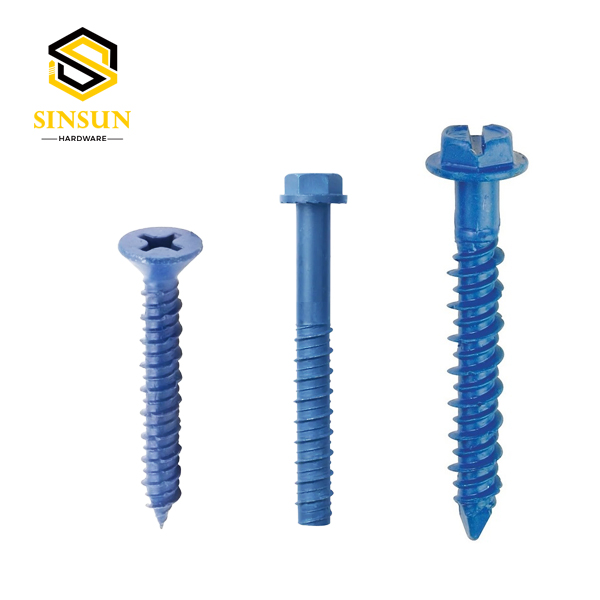
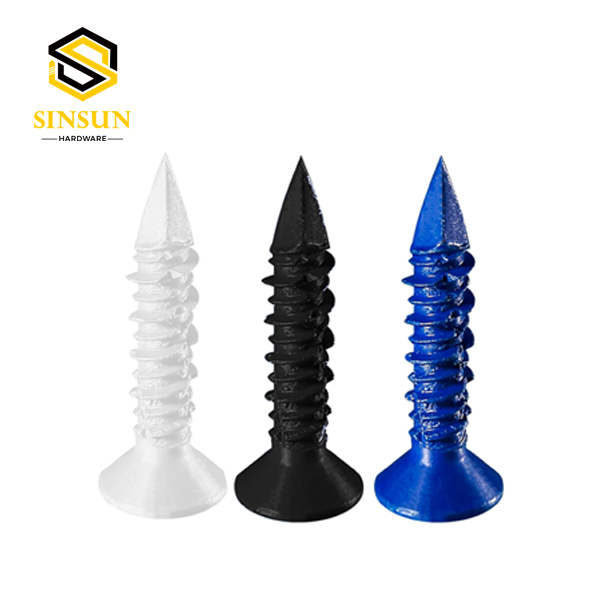
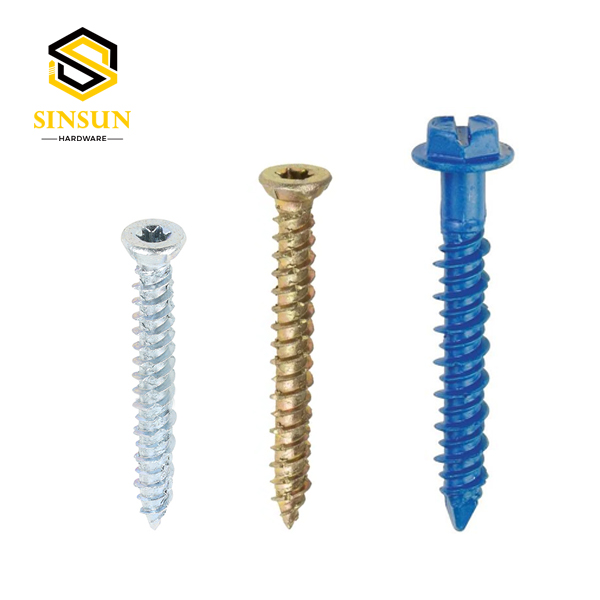
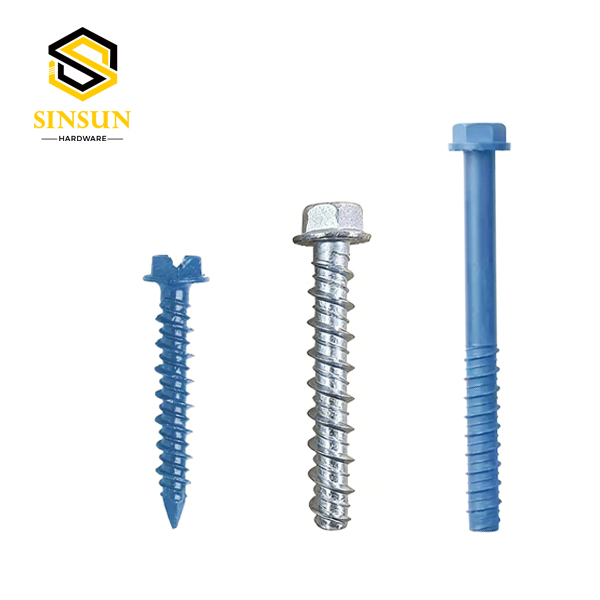
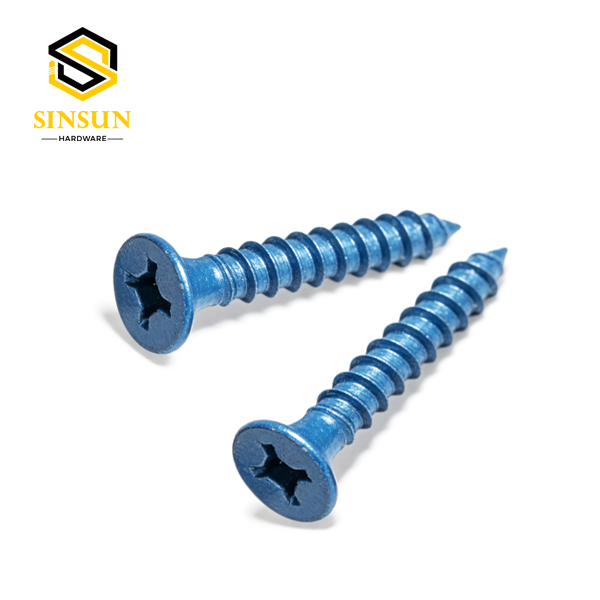
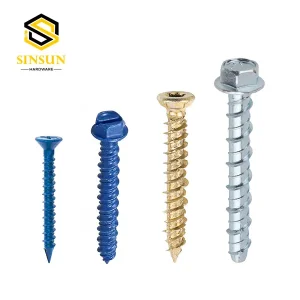
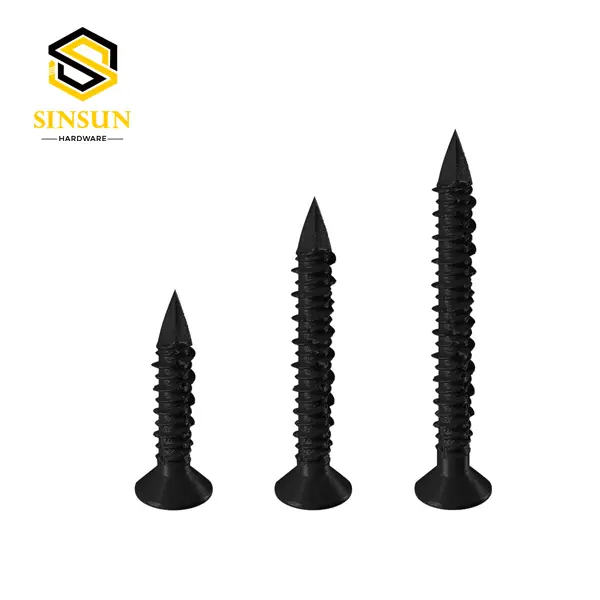
Concrete screws are engineered with high-strength tempered steel and feature unique dual-lead or high-low threads specifically designed to cut into dense masonry materials, whereas standard wood screws lack the hardness and thread profile required to penetrate concrete without snapping.
Yes, concrete screws always require a pre-drilled pilot hole. You must use a carbide-tipped masonry drill bit of the exact size recommended by the manufacturer to ensure the threads can grip the concrete walls properly without breaking the screw.
The blue coating is typically a specialized corrosion-resistant finish (often ceramic or polymer-based) that protects the steel fastener from the highly alkaline environment of concrete and outdoor weathering, preventing rust and degradation over time.
For optimal holding power, concrete screws should achieve a minimum embedment depth of 1 inch to 1-3/4 inches into the solid masonry. Embedding the screw too deep may cause it to bind or snap during installation, while too shallow will compromise its load capacity.
It is not recommended to reuse concrete screws in the same hole. The initial installation process cuts threads into the concrete, and reinserting a screw will degrade the thread channels, significantly reducing the fastener's ultimate holding strength and safety.