Home >
Screw >
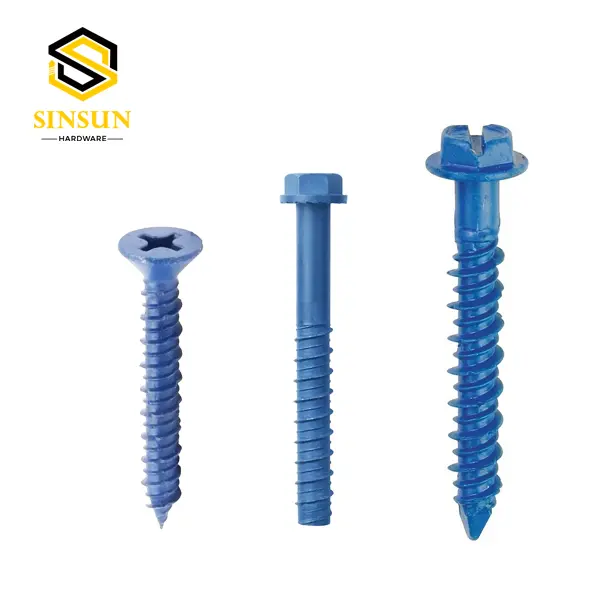
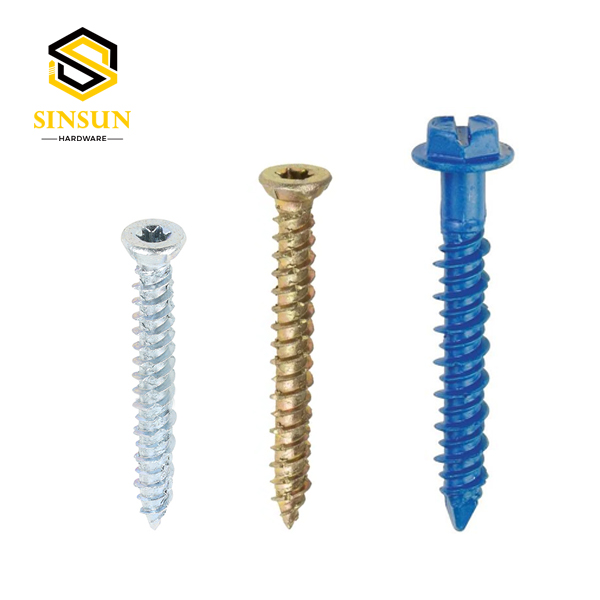
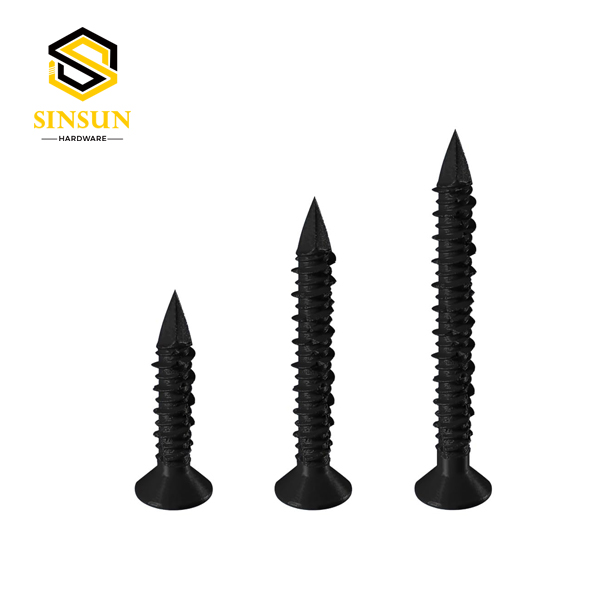
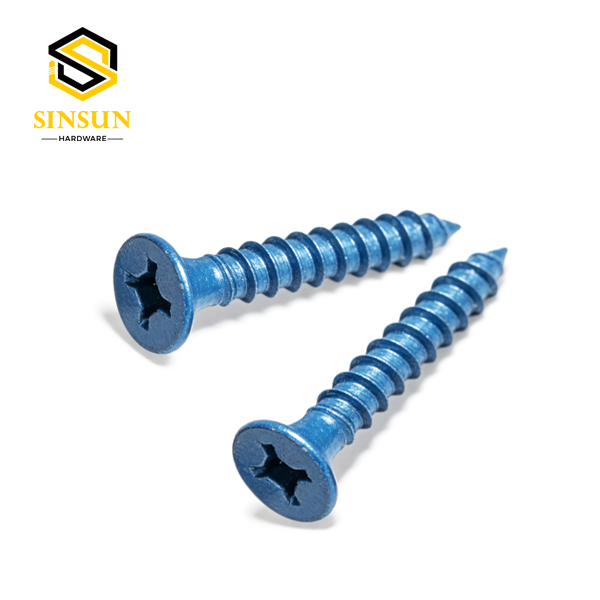
ODM Blue Concrete Screws Manufacturer, Manufacturers
1 / 1
ODM Blue Concrete Screws Manufacturer, Manufacturers
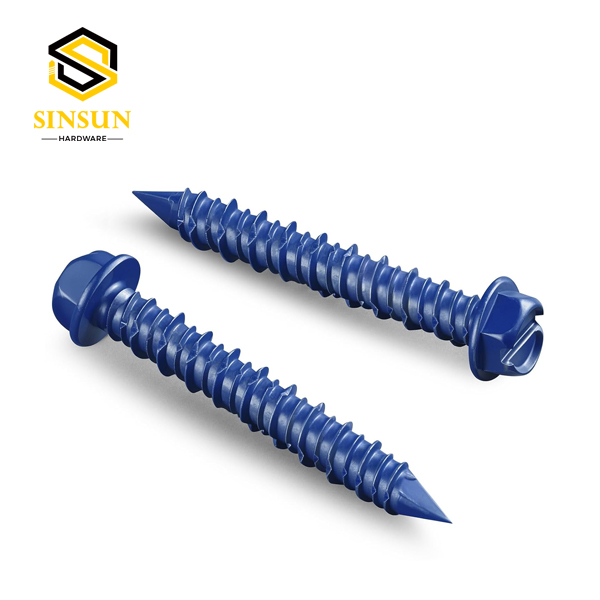
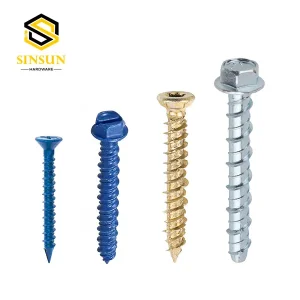
Blue coating means corrosion resistance. Not just color. 1" minimum embedment. 1-3/4" maximum. Get it right. Drill. Clean. Drive. Three steps. One permanent fix.
Q: What are self-tapping concrete screws used for?
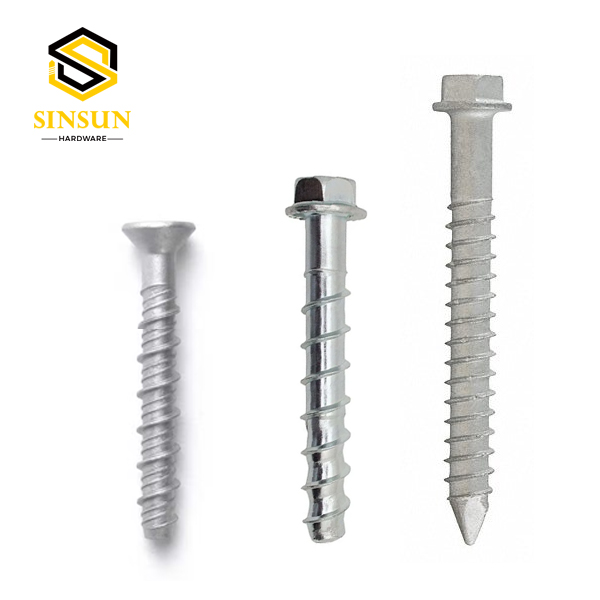
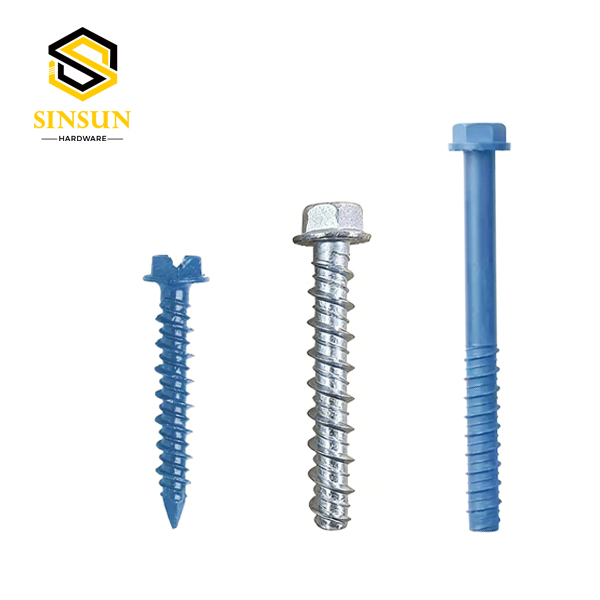
Self-tapping concrete screws are designed to anchor wood, metal, or fixtures directly into masonry substrates, including concrete, brick, and block. They create their own threads as they are driven into a pre-drilled pilot hole.
Q: Do I need to drill a pilot hole before installing concrete screws?
Yes. Concrete screws require a pre-drilled pilot hole of the correct diameter and depth. Using a hammer drill and a carbide-tipped masonry drill bit is highly recommended to ensure the hole is precise.
Q: When should I choose stainless steel concrete screws over carbon steel?
Stainless steel concrete screws offer superior corrosion and rust resistance. They are recommended for outdoor installations, high-moisture areas, and coastal environments where exposure to moisture or harsh chemicals is expected.
Q: Can I use standard concrete screws for hollow cinder blocks?
Yes, specialized cinder block screws can be used in hollow concrete blocks. However, you should avoid over-tightening them, as the hollow core provides less material for the threads to grab compared to solid concrete.
Q: What is the advantage of heavy-duty concrete screws?
Heavy-duty concrete screws are designed with higher tensile strength and thicker diameters. They are engineered to support larger load capacities and are ideal for critical structural applications and industrial installations.
Q: How deep should concrete screws penetrate the substrate?
For optimal performance and holding power, concrete screws should generally penetrate the masonry material to a depth of at least 1 to 1.25 inches.